Wet vs Dry Food for Senior Cats
Wet vs dry food for senior cats: compare hydration, kidney support, dental myths, calories, and cost, with a clear vet-informed recommendation for older cats.
Feeding an aging cat is one of the most important comfort and longevity decisions you make, and the wet vs dry food question sits at the center of it. As cats move past age 10, kidney function declines, the thirst drive stays stubbornly low, teeth wear down, and appetite can become unpredictable. The format of the food, not just the brand, starts to matter a lot.
Both wet and dry food can be part of a healthy senior diet, but they solve different problems. This guide compares them on the factors that actually affect older cats: hydration, kidney and urinary health, dental impact, calories, palatability, and cost.
Quick Comparison Picks
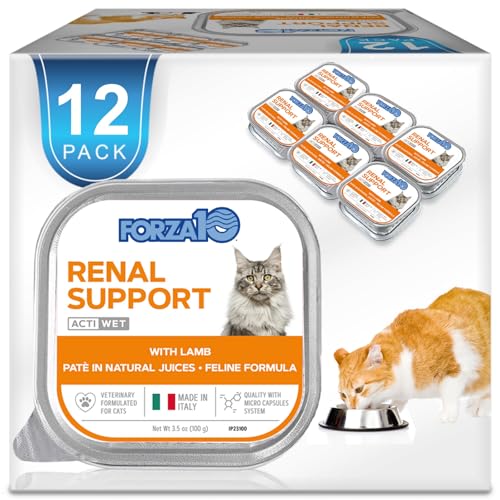
Forza10 Renal Wet Cat Food, Lamb
$29.99 on Amazon
Phosphorus-controlled canned food for senior kidney support

Hill's Science Diet Science Diet Senior 11+ Dry, Chicken
$22.99 on Amazon
Easy-to-graze dry food formulated for cats 11 and older

Hill's Science Diet Urinary & Hairball Wet Food
$23.76 on Amazon
High-moisture canned food supporting bladder health in older cats

Purina Pro Plan Pro Plan Urinary Wet Variety Pack
$33.54 on Amazon
Vet-favorite wet food for urinary tract health and hydration
Quick Verdict
Choose wet food as the foundation for most senior cats, especially those with kidney disease, urinary issues, constipation, or a fading appetite. Its high moisture content is the single biggest dietary advantage you can give an aging cat. Choose dry food as a supplement for grazers, for veterinary dental formulas, or when budget and convenience are deciding factors. Our recommendation: feed primarily wet food, with a small measured portion of senior dry kibble if your cat enjoys grazing through the day.
The Practical Answer
The best senior-cat diet for most homes is wet-food-forward: one or two canned meals daily for hydration and palatability, plus an optional small amount of senior dry food. This addresses the dehydration risk that drives so many geriatric cat illnesses while keeping a cat who loves to graze content.
Why Hydration Is the Headline for Senior Cats
Cats descend from desert-dwelling ancestors and have a naturally weak thirst response. In the wild they got most of their water from prey, which is about 70 percent moisture. Kibble is only about 10 percent moisture, so a cat eating mostly dry food has to make up a large water deficit by drinking, and most cats simply do not drink enough.
This matters enormously in older cats because chronic kidney disease affects an estimated one in three cats over 10, and well over half of cats past 15. Kidneys that are losing concentrating ability rely on generous fluid intake. Wet food delivers that fluid passively, with every meal, which is why so many veterinarians steer senior cats toward canned diets.
The Case for Wet Food
Advantages for Older Cats
- High moisture: Roughly 75 to 78 percent water, supporting kidney and urinary health and easing constipation
- Strong aroma and soft texture: Ideal for cats with dental pain, missing teeth, or a declining sense of smell
- Higher protein, lower carbohydrate: Closer to a cat's natural prey-based diet, which supports lean muscle that seniors tend to lose
- Appetite stimulation: Warming canned food slightly releases aroma and can coax a picky or nauseated senior to eat
- Easier portion and calorie control: Lower calorie density helps overweight seniors feel full
Drawbacks
- Cost: Two to three times more per calorie than dry food
- Spoils fast: Must be refrigerated after opening and discarded if left out more than a few hours
- No dental abrasion: Provides no mechanical cleaning of the teeth
The Case for Dry Food
Advantages for Older Cats
- Convenient grazing: Can sit out for free-choice nibbling, which suits cats who eat small amounts often
- Cost-effective: Significantly cheaper per calorie and easy to store
- Veterinary dental options: Specialized dental kibble is engineered to reduce plaque and tartar
- Calorie density: Useful for underweight seniors who need to pack in calories
Drawbacks
- Very low moisture: Around 10 percent water, contributing to chronic mild dehydration
- Higher carbohydrate load: Starch is required for the extrusion process and is less ideal for an obligate carnivore
- Harder to chew: A problem for cats with dental disease, resorptive lesions, or missing teeth
Haven Pet Insurance for Senior Cats.Coverage for accidents, illness, and the chronic conditions that drive the biggest senior-cat vet bills (kidney disease, hyperthyroidism, diabetes). Get a fast, free quote using your cat’s breed, age, and zip, then see your monthly premium before you commit.Sponsored
Side-by-Side Comparison
| Factor | Wet Food | Dry Food |
|---|---|---|
| Moisture content | ~75-78% | ~10% |
| Kidney & urinary support | Strong (passive hydration) | Weak unless cat drinks well |
| Protein per calorie | Higher | Moderate |
| Carbohydrates | Lower | Higher |
| Dental impact | None | Minimal (more with dental formulas) |
| Palatability for seniors | High | Moderate |
| Cost per calorie | Higher | Lower |
| Convenience / grazing | Poor (spoils) | Excellent |
| Best for | Kidney, urinary, dental pain, poor appetite | Grazers, budget, dental kibble, underweight cats |
When to Lean Toward Wet Food
- Your cat has kidney disease or early kidney markers on bloodwork
- Your cat has a history of urinary crystals, cystitis, or blockages
- Your cat struggles with constipation or hard stools
- Your senior has dental disease, missing teeth, or mouth pain
- Your cat is losing weight or interest in food
When Dry Food Still Makes Sense
- Your cat is a committed grazer who eats tiny amounts around the clock
- Your vet has prescribed a dental kibble for tartar control
- You need to add calories to an underweight senior
- Budget or schedule makes all-wet feeding impractical
Our Top Wet Pick for Kidney-Prone Seniors
A phosphorus-controlled renal wet food gives an aging cat the moisture and reduced mineral load that struggling kidneys need, in a soft, aromatic form that even fussy seniors tend to accept. Pair it with a fresh water source and you cover the two biggest hydration levers at once.
Check Price on AmazonThe Mixed Feeding Approach (Our Recommendation)
For most aging cats, a wet-forward mixed diet wins. Serve one or two canned meals a day for hydration and palatability, and offer a small measured portion of senior dry food for grazing or dental support. Always count both toward the daily calorie total, and warm wet food slightly to boost aroma for picky eaters.
The single most important factor is not the format, it is getting enough total moisture and high-quality animal protein into your cat. If your cat will only eat dry food, add warm water or a low-sodium broth to the kibble, and invest in a fountain to encourage drinking. If your cat has kidney or urinary disease, follow your veterinarian's specific diet recommendation.
This article is educational and complements, but does not replace, advice from your veterinarian. Any diet change for a senior cat with a diagnosed condition should be made with your vet's guidance.
Senior Cat Wellness & Care Planner
Track your aging cat's health, meds, vet visits, mobility, nutrition, and quality of life — all in one printable planner.
Related Guides
- Kidney Disease in Senior Cats - Symptoms, staging, and diet
- Water Fountain vs Bowl for Cats - Boost daily hydration
- Methimazole vs y/d Diet - Hyperthyroid feeding choices
Frequently Asked Questions
Is wet or dry food better for senior cats?
For most cats over 10, wet food has the edge. Cats evolved as desert animals with a low thirst drive, and seniors are especially prone to dehydration and kidney disease. Canned food is roughly 75 to 78 percent water, which supports kidney and bladder health in ways kibble cannot. Dry food still has a place for grazers and dental-chew formulas, but if you can only pick one, wet food usually serves an aging cat better.
Does dry food really clean a cat's teeth?
Mostly no. Standard kibble shatters when a cat bites it and does little to scrub the tooth surface, and many cats swallow pieces whole. The exception is veterinary dental kibble like Hill's t/d, which has a larger, fibrous matrix designed to wrap around the tooth. For genuine dental care in a senior cat, brushing, VOHC-approved treats, and professional cleanings matter far more than the food's format.
My senior cat suddenly prefers wet food. Should I worry?
A sudden shift toward wet food often points to dental pain, nausea, or a declining sense of smell, all common in older cats. Wet food has a stronger aroma and needs no chewing, so cats with mouth pain or kidney-related nausea gravitate to it. It is worth a vet visit to rule out dental disease, kidney disease, and hyperthyroidism, since appetite changes are frequently the first visible sign.
Can I feed both wet and dry food to my older cat?
Yes, and many vets recommend it. A common approach is wet food for one or two meals a day for hydration and palatability, plus a small measured portion of dry food for grazing or dental support. Just count both toward the daily calorie total so your cat does not gain weight. Keep wet and dry in separate dishes and refrigerate any opened canned food.
Is wet food worth the extra cost for a senior cat?
For cats with kidney disease, urinary issues, constipation, or poor appetite, the hydration benefit of wet food often pays for itself in fewer vet visits and better comfort. Wet food typically costs two to three times more per calorie than kibble. A middle path is feeding mostly wet food with a smaller dry component, or adding warm water to kibble to boost moisture at lower cost.
How much water does a senior cat need each day?
A cat needs roughly 3.5 to 4.5 ounces of water per 5 pounds of body weight daily, from food and the bowl combined. A 10-pound cat eating only dry food may need to drink about a cup of water on its own, which many seniors simply will not do. Cats on wet food get most of that moisture from meals, which is why canned diets are protective against kidney and bladder problems.
Need more help with your aging cat?
Browse our guides by topic to find practical solutions.
Wellness Planner — $39