Water Fountain vs Bowl for Senior Cats
Water fountain vs bowl for senior cats: compare hydration, kidney support, whisker fatigue, cleaning, and cost, with a clear pick for older cats.
Keeping an older cat hydrated is one of the quietest but most important things you can do for its kidneys, bladder, and overall comfort. Cats are notoriously poor drinkers, and as they age the stakes climb: chronic kidney disease becomes common, and even mild dehydration makes a senior feel unwell. That puts a surprising amount of weight on a small choice, water fountain vs bowl.
This guide compares fountains and bowls on the things that actually move the needle for senior cats: how much they drink, kidney support, whisker comfort, cleaning effort, and cost.
Quick Comparison Picks

MISFANS Ceramic Cat Water Fountain
$47.49 on Amazon
Quiet ceramic fountain with flowing water to entice frequent drinking
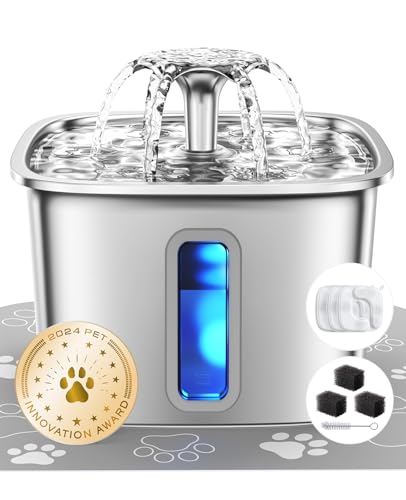
Veken Stainless Steel Cat Fountain
$25.49 on Amazon
Easy-to-clean steel fountain that resists biofilm buildup
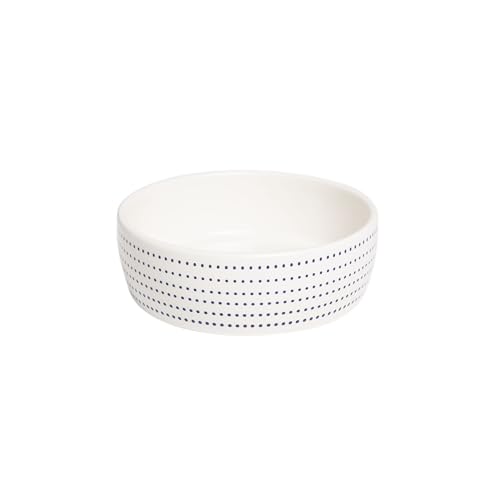
Pearhead Shallow Whisker-Friendly Bowl
$7.99 on Amazon
Wide ceramic dish that prevents whisker fatigue at the water station

Howise Ceramic Cat Bowls, 3-Pack
$9.59 on Amazon
Multiple low bowls to place water around the house for easy access
Quick Verdict
Choose a fountain if your cat is drawn to moving water, has kidney disease, or simply does not drink enough, since the flow encourages more frequent sips. Choose bowls if your cat is indifferent to fountains, you want zero electrical upkeep, or you need water in several rooms cheaply. Our recommendation: use both. A fountain in the main living area plus two or three wide, shallow bowls placed around the home gives an aging cat every reason to drink.
The Practical Answer
Hydration is a numbers game for senior cats, and the winning strategy is more access, not one perfect vessel. A fountain entices cats who like movement, while extra shallow bowls remove the walk-too-far barrier that arthritis creates. Combine them with wet food and you address senior dehydration from every angle.
Why Hydration Matters So Much for Older Cats
Cats descend from desert animals with a weak thirst drive, so even healthy cats run slightly under-hydrated. Add aging kidneys that lose their ability to concentrate urine, and a senior cat needs to take in more water just to break even. Chronic kidney disease affects roughly one in three cats over 10, and consistent water intake is central to keeping those cats comfortable and stable.
The challenge is that you cannot make a cat drink. You can only make drinking more appealing and more convenient. That is exactly what the fountain-versus-bowl decision is really about.
The Case for a Water Fountain
Advantages for Senior Cats
- Movement attracts cats: flowing water taps the instinct that running water is fresher and safer
- Encourages frequent drinking: more sips through the day means better baseline hydration
- Oxygenated, cooler water that many cats find more palatable than still water
- Filtration removes hair and debris, keeping water inviting longer
- Large reservoir means water is always available, useful if you are away for the day
Drawbacks
- Cleaning effort: pumps and filters need regular maintenance or they breed biofilm
- Noise: a low pump hum or splashing can deter a skittish senior
- Cost and power: higher upfront price, ongoing filters, and an outlet required
- Some cats ignore them entirely
The Case for a Bowl
Advantages for Senior Cats
- Simple and reliable: no power, no pump, nothing to break
- Cheap to place everywhere: easy to put water on every floor and near resting spots
- Easy to clean thoroughly each day, which keeps water fresh
- Wide, shallow shapes prevent whisker fatigue and suit cats who dislike movement
- Silent, ideal for nervous or noise-sensitive seniors
Drawbacks
- Water goes stale and collects dust and hair, discouraging drinking
- No movement to attract instinct-driven cats
- Needs frequent refreshing, ideally twice a day
Haven Pet Insurance for Senior Cats.Coverage for accidents, illness, and the chronic conditions that drive the biggest senior-cat vet bills (kidney disease, hyperthyroidism, diabetes). Get a fast, free quote using your cat’s breed, age, and zip, then see your monthly premium before you commit.Sponsored
Side-by-Side Comparison
| Factor | Fountain | Bowl |
|---|---|---|
| Encourages drinking | High (for water-motion cats) | Moderate |
| Kidney-disease support | Strong | Good with multiple stations |
| Whisker comfort | Usually wide, open | Excellent if shallow and wide |
| Cleaning effort | Higher (pump, filter) | Low |
| Noise | Low hum or splash | Silent |
| Upfront cost | Higher | Very low |
| Ongoing cost | Filters and power | None |
| Best for | Cats who love moving water, kidney patients | Cats indifferent to motion, multi-room access |
Material Matters: Ceramic and Steel Over Plastic
Whether you pick a fountain or a bowl, favor ceramic or stainless steel over plastic. Plastic scratches easily, harbors bacteria in those scratches, and can contribute to feline chin acne. Ceramic and steel are easier to keep genuinely clean, which keeps water tasting fresh so your senior keeps drinking.
Easiest Fountain to Keep Clean
A stainless steel fountain resists the biofilm that plagues plastic models, so the water stays fresh and inviting with less scrubbing. For a senior cat, a clean water source you will actually maintain beats a fancy one you neglect.
Check Price on AmazonOur Recommendation
Use a fountain and bowls together. Place a quiet ceramic or steel fountain in the room where your cat spends the most time, then set out two or three wide, shallow bowls on different levels of the home and near favorite napping spots. This removes the two biggest hydration barriers for older cats: lack of interest in still water, and arthritis that makes them unwilling to travel for a drink.
Keep all water vessels scrupulously clean, refresh bowls at least daily, and keep water a few feet from food and well away from the litter box. Above all, pair good water access with a wet-food diet, which delivers far more moisture than any drinking station. If your senior cat's water intake suddenly spikes or drops, see your veterinarian, since it can signal kidney disease, diabetes, or hyperthyroidism. This article is educational and does not replace veterinary care.
Senior Cat Wellness & Care Planner
Track your aging cat's health, meds, vet visits, mobility, nutrition, and quality of life — all in one printable planner.
Related Guides
- Kidney Disease in Senior Cats - Why hydration is critical
- Wet vs Dry Food for Senior Cats - The biggest hydration lever
- Comfort & Daily Care - Make resources easy to reach
Frequently Asked Questions
Do cat water fountains actually help senior cats drink more?
For many cats, yes. Cats are instinctively drawn to moving water, which they associate with freshness, and the gentle flow of a fountain encourages them to drink more often. This matters for senior cats because aging kidneys lose concentrating ability and dehydration is a constant risk. Not every cat prefers a fountain, but for cats with kidney disease or low water intake, a fountain is one of the simplest ways to raise daily hydration.
Is a fountain or a bowl better for a cat with kidney disease?
A fountain usually wins for kidney patients because anything that increases voluntary water intake helps support failing kidneys. The moving, oxygenated water tends to taste fresher and encourages more frequent drinking. That said, the best setup is often both: a fountain plus one or two wide, shallow bowls in different rooms so your cat always has an easy option. Pair either with a wet-food diet for maximum hydration.
What is whisker fatigue and does the bowl shape matter?
Whisker fatigue describes the discomfort some cats feel when their sensitive whiskers repeatedly brush the sides of a deep, narrow bowl. It can make a cat reluctant to drink or eat. Senior cats, already prone to low water intake, benefit from wide, shallow bowls that let the whiskers stay clear. Many fountains also offer a broad, open drinking surface, which sidesteps the problem.
Are cat fountains hard to clean?
Fountains take more upkeep than bowls. The pump and reservoir need rinsing every few days and a deeper clean weekly, and the filter is replaced every two to four weeks. A neglected fountain can grow biofilm that actually deters drinking. Stainless steel or ceramic models are easier to keep hygienic than plastic. If you cannot commit to regular cleaning, several fresh bowls changed daily may serve your senior cat better.
How many water stations should a senior cat have?
Offer water in at least two or three spots around the home, separate from the food and litter box. Senior cats with arthritis may not want to walk far for a drink, so placing water on each level of the house and near favorite resting spots removes that barrier. A fountain in the main living area plus a couple of shallow bowls elsewhere is an excellent setup for an aging cat.
Should the water be near the food bowl?
Cats often prefer their water a short distance from their food, a holdover from instincts to keep drinking water away from prey remains that could contaminate it. Placing the water station a few feet from the food, and well away from the litter box, can increase how much a cat drinks. For seniors, also keep at least one station on the ground floor so stairs are never a barrier to hydration.
Need more help with your aging cat?
Browse our guides by topic to find practical solutions.
Wellness Planner — $39