Kidney Disease in Senior Cats: Stages & Care
Chronic kidney disease is the most common illness in senior cats. Learn the IRIS stages, signs, renal diet, subQ fluids, phosphorus binders, and hydration support.
Chronic kidney disease, often shortened to CKD, is the single most common serious illness in senior cats. By some estimates a third or more of cats over the age of ten have some degree of kidney decline. The kidneys do their quiet work so efficiently that most cats show no outward sign until a large share of function is already gone, which is why this condition so often takes owners by surprise.
The good news is that feline kidney disease is one of the most manageable chronic conditions in cats. With early detection, a therapeutic diet, careful attention to hydration, and steady veterinary monitoring, many cats live comfortably for years after diagnosis. This guide explains what is happening inside your cat, how the disease is staged, and the practical steps that make the biggest difference. It is educational and meant to support, not replace, your veterinarian's care.
Renal Diet & Hydration Picks for CKD Cats

Hill's Prescription Diet Prescription Diet k/d Kidney Care Wet Food
$64.99 on Amazon
Phosphorus-restricted renal stew with added moisture for hydration

Royal Canin Veterinary Diet Feline Renal Support
$22.79 on Amazon
Loaf in sauce formulated for cats with chronic kidney disease
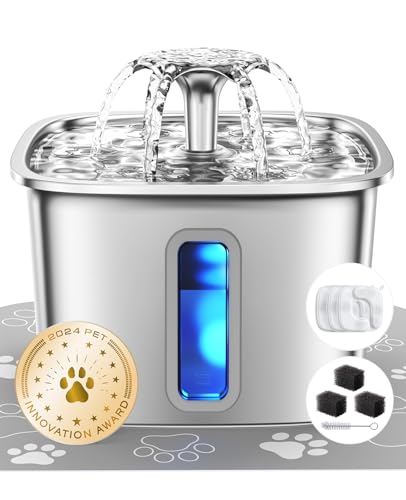
Veken Stainless Steel Cat Water Fountain
$25.49 on Amazon
Flowing water encourages a CKD cat to drink more and stay hydrated
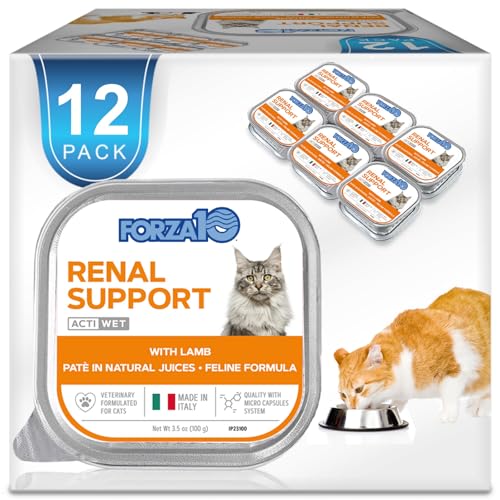
Forza10 Vet-Formulated Renal Wet Cat Food
$29.99 on Amazon
Controlled-phosphorus canned food with lamb for kidney support
Haven Pet Insurance for Senior Cats.Coverage for accidents, illness, and the chronic conditions that drive the biggest senior-cat vet bills (kidney disease, hyperthyroidism, diabetes). Get a fast, free quote using your cat’s breed, age, and zip, then see your monthly premium before you commit.Sponsored
What the Kidneys Do for Your Cat
The kidneys are a pair of small, bean-shaped organs tucked near the spine. Despite their size they handle a remarkable workload. They filter waste products like urea and creatinine from the blood, balance water and electrolytes such as potassium and phosphorus, regulate blood pressure, activate vitamin D for calcium balance, and produce a hormone called erythropoietin that tells the bone marrow to make red blood cells.
Because the kidneys carry a large reserve, a cat can lose well over half of its functioning kidney tissue before bloodwork looks abnormal and signs appear. This reserve is why routine senior screening matters so much. A blood and urine panel can flag trouble long before your cat acts sick, giving you time to intervene while diet and hydration support can still slow the decline.
Understanding the IRIS Stages
Veterinarians use the International Renal Interest Society, or IRIS, system to stage feline CKD. The stage is based primarily on blood creatinine and SDMA, a sensitive early marker, then refined by urine protein loss and blood pressure. Knowing the stage helps you and your veterinary team set realistic goals and choose the right interventions.
Stage 1: Early Kidney Insufficiency
Standard values like creatinine are still normal, but subtle clues such as a rising SDMA, dilute urine, protein in the urine, or changes on ultrasound suggest the kidneys are under strain. Cats at this stage almost never look ill. Catching disease here, usually through senior wellness screening, gives the best opportunity to slow progression.
Stage 2: Mild Kidney Disease
Blood values begin to rise into a mildly abnormal range. Many cats still seem normal or show only faint signs such as slightly increased drinking. This is the stage at which CKD is most commonly first diagnosed, and starting a renal diet here can meaningfully extend comfortable life.
Stage 3: Moderate Kidney Disease
Signs become clear. Cats often show weight loss, reduced appetite, intermittent nausea, lethargy, a poor coat, and noticeably increased thirst and urination. Diet, hydration support, phosphorus control, and treatment of complications take center stage.
Stage 4: Advanced Kidney Disease
A large majority of kidney function is gone. Cats may have persistent nausea, vomiting, mouth ulcers, marked weight loss, weakness, and chemical-smelling breath. Care focuses on comfort, appetite, and quality of life, and your veterinarian becomes an essential partner in day-to-day decisions.
Signs to Watch For at Home
Cats are masters at masking illness, so the signs of CKD can be quiet and gradual. Any of the following in a senior cat warrant a veterinary visit and bloodwork.
- Increased thirst: Drinking from the bowl more often, hovering at faucets, or seeking out water in sinks and tubs.
- Larger, more frequent urine clumps: Bigger wet patches in the litter box and sometimes accidents outside it.
- Weight loss: A backbone and hip bones that feel more prominent, even when the cat is still eating.
- Reduced or picky appetite: Walking away from food, especially dry food, or eating less of a former favorite.
- Nausea: Lip licking, drooling, hunching over the bowl, or occasional vomiting.
- Dull, unkempt coat: Less grooming and a greasy or flaky look as the cat feels under the weather.
- Bad breath: A chemical or ammonia-like odor that differs from ordinary cat breath.
- Lethargy and hiding: Sleeping more, interacting less, and choosing quiet, out-of-the-way spots.
Senior Cat Wellness & Care Planner
Track your aging cat's health, meds, vet visits, mobility, nutrition, and quality of life — all in one printable planner.
The Renal Diet: Your Most Powerful Tool
Therapeutic renal diets are the most evidence-backed step in managing feline CKD. Controlled studies show cats fed a prescription kidney diet live longer and have fewer uremic crises than cats kept on regular food. These diets are carefully engineered around what we know about the failing kidney.
Key Dietary Principles
Phosphorus restriction is the heart of a renal diet. The failing kidney cannot clear phosphorus, and high blood phosphorus directly accelerates kidney damage. Renal diets contain far less phosphorus than ordinary cat food.
Moderated, high-quality protein reduces the nitrogen waste the kidneys must filter while still meeting an obligate carnivore's needs. The goal is enough quality protein to preserve muscle without overloading the kidneys.
Added omega-3 fatty acids from fish oil help reduce inflammation within the kidney, and added potassium replaces the potassium that CKD cats lose in their urine, which protects muscle strength and appetite.
Wet renal food is generally preferred over dry because the moisture content supports hydration. If your cat refuses one formula, do not give up: there are several brands and flavors in both wet and dry, and your veterinarian can help you find one your cat will eat. A diet your cat actually eats is always better than a perfect diet it refuses.
| Dietary Feature | Why It Helps the CKD Cat |
|---|---|
| Low phosphorus | Slows kidney damage and reduces illness from high phosphorus |
| Moderate quality protein | Limits nitrogen waste while preserving muscle |
| Added omega-3s | Reduces kidney inflammation |
| Added potassium | Replaces urinary losses, supports appetite and muscle |
| High moisture (wet food) | Supports hydration in cats that cannot conserve water |
Hydration: A Daily Priority
Because CKD cats lose the ability to concentrate urine, they are always at risk of dehydration. Supporting fluid intake is one of the simplest, highest-impact things you can do at home.
Offer several water stations around the home, away from the food and litter, since many cats dislike drinking next to either. A pet fountain entices cats that prefer moving water. Feed wet food and consider adding a splash of water or low-sodium, onion-free broth to meals. For cats that still cannot keep up, many veterinarians teach owners to give subcutaneous fluids at home, a gentle routine that many cats tolerate well and that can dramatically improve how a cat feels.
Editor's Pick · Sponsored
Haven Pet Insurance for Senior Cats
Coverage for accidents, illness, and the chronic conditions that drive the biggest senior-cat vet bills (kidney disease, hyperthyroidism, diabetes). Get a fast, free quote using your cat’s breed, age, and zip, then see your monthly premium before you commit.
Phosphorus Binders
When a renal diet alone cannot keep blood phosphorus in the target range, your veterinarian may add a phosphorus binder. Given with each meal, binders trap dietary phosphorus in the gut so it is not absorbed into the blood. They come as flavorless powders, gels, or chews that mix into wet food. Keeping phosphorus controlled is consistently linked to slower progression and a better-feeling cat.
Managing Complications
CKD rarely travels alone. Your veterinarian will watch for and treat several common companions:
- High blood pressure: Common in CKD cats and capable of damaging the eyes, brain, and heart. It is treated with medication and can cause sudden blindness if missed.
- Anemia: Failing kidneys make less erythropoietin, so red blood cell counts drop, causing pale gums and fatigue. It can be treated as the disease advances.
- Protein loss in urine: Linked to faster decline and often treated with specific medication.
- Low potassium: Causes weakness and poor appetite and is corrected with supplements or diet.
Working with Your Veterinarian
Managing CKD is a long partnership. Expect rechecks every three to six months, or more often early on, to track kidney values, phosphorus, blood pressure, and weight, and to adjust the plan as the disease evolves. Between visits, keep simple notes on your cat's appetite, water intake, weight, energy, litter box output, and any vomiting. This home record is genuinely useful information that helps your veterinarian make better decisions.
Quality of Life: The Guiding Principle
Through every stage, quality of life should steer your choices. A good day means a cat that is eating, drinking, grooming, seeking your company, and free of persistent nausea. The aim of CKD management is not perfect bloodwork; it is helping your cat feel as well as possible for as long as possible. Some weeks will be better than others, and the overall trend matters more than any single number.
With early detection, a renal diet, attentive hydration, phosphorus control, and steady veterinary monitoring, a great many cats live well for years after a CKD diagnosis. Your willingness to learn the routines of this condition is one of the kindest things you can do for your aging companion.
Related Guides
- Common Health Problems in Senior Cats - See how CKD fits among the other conditions of older cats.
- Hyperthyroidism in Senior Cats - This thyroid disease often coexists with and masks kidney disease.
- Signs Your Old Cat Is in Pain - Learn the subtle ways cats hide that they feel unwell.
Frequently Asked Questions
What are the first signs of kidney disease in senior cats?
The earliest changes are usually increased thirst and increased urination. A cat with failing kidneys can no longer concentrate urine, so it produces large, pale, watery puddles and drinks more to keep up. You may notice larger clumps in the litter box, a cat hovering at the water bowl or faucet, and gradual weight loss over weeks. Reduced appetite, a dull coat, and bad breath often follow. Because cats hide illness well, these clues are easy to miss.
What are the IRIS stages of chronic kidney disease in cats?
The International Renal Interest Society stages feline chronic kidney disease from 1 to 4 based mainly on blood creatinine and SDMA, then sub-stages it by urine protein and blood pressure. Stage 1 is early, with normal or borderline values caught by SDMA or urine concentration. Stage 2 is mild, often when diagnosis happens. Stage 3 is moderate with clear signs like weight loss and nausea. Stage 4 is advanced, with pronounced illness. Staging guides diet, medication, and monitoring decisions.
What should I feed a cat with kidney disease?
Veterinary therapeutic renal diets are the cornerstone of feline CKD care. They restrict phosphorus, provide moderate amounts of high-quality protein, add omega-3 fatty acids and potassium, and help buffer acid. Studies show these diets can slow progression and extend comfortable life. Wet renal food is usually preferred because the added moisture supports hydration. Examples include Hill's k/d, Royal Canin Renal, and other prescription formulas your veterinarian recommends.
What are subcutaneous fluids and do they help cats with CKD?
Subcutaneous fluids are sterile fluids given under the skin, usually between the shoulder blades, to supplement hydration in cats whose kidneys waste water. Many owners learn to give them at home a few times a week using a needle and fluid bag. They help flush waste products, ease nausea, and keep a cat feeling brighter. Your veterinarian decides the fluid type, volume, and frequency based on your cat's stage and bloodwork.
Why are phosphorus binders used in cats with kidney disease?
As kidneys fail, they cannot excrete phosphorus, and high blood phosphorus speeds further kidney damage and makes cats feel unwell. When a renal diet alone cannot keep phosphorus in target range, veterinarians add a phosphorus binder, given with food, that traps dietary phosphorus before it is absorbed. Binders come as powders, gels, or chews mixed into meals. Keeping phosphorus controlled is one of the most important steps for slowing CKD.
How long can a cat live with kidney disease?
It depends heavily on the IRIS stage at diagnosis and how well the cat responds to management. Many cats caught in stage 2 live two to three years or more with diet, hydration support, and monitoring. Cats diagnosed in stage 3 often have a year or more, while stage 4 carries a shorter timeline. Consistent care, phosphorus control, and treating complications like high blood pressure and anemia all help extend comfortable, quality time.
Should I restrict my cat's water if they urinate a lot?
No. A cat with CKD urinates large volumes because the kidneys cannot conserve water, so the cat genuinely needs to drink more to avoid dehydration. Restricting water is dangerous and can trigger a crisis. Instead, make water easy and appealing: offer several bowls, try a pet fountain, feed wet food, and add water or low-sodium broth to meals. If your cat still struggles to stay hydrated, ask about home subcutaneous fluids.
Need more help with your aging cat?
Browse our guides by topic to find practical solutions.
Wellness Planner — $39