Methimazole vs y/d Diet for Hyperthyroid Cats
Methimazole vs Hill's y/d diet for hyperthyroid senior cats: how each works, pros, cons, monitoring, and why the choice belongs with your veterinarian.
Important: Talk to Your Veterinarian First
Hyperthyroidism is a serious medical condition that strains the heart and kidneys when uncontrolled. Methimazole is a prescription medication and Hill's y/d is a prescription diet, both requiring a veterinary diagnosis, prescription, and ongoing bloodwork. This article is educational and helps you have an informed conversation with your vet. It does not replace veterinary diagnosis or treatment, and you should never start, stop, or change either treatment on your own.
Hyperthyroidism is one of the most common hormonal diseases in older cats, usually caused by a benign overgrowth of the thyroid gland that floods the body with thyroid hormone. The result is a cat that eats ravenously yet loses weight, often with a racing heart, restlessness, vomiting, or a poor coat. Left untreated it damages the heart and kidneys, so treatment is not optional.
Two of the main ongoing-management options are the medication methimazole and the prescription Hill's y/d diet. They control the same disease in completely different ways, and the right choice depends on your cat and your household. Here is how they compare, so you can discuss them knowledgeably with your veterinarian.
Supportive Products for Hyperthyroid Cats

Hill's Prescription Diet y/d Thyroid Care Dry Food
$45.99 on Amazon
Iodine-restricted prescription diet to manage feline hyperthyroidism
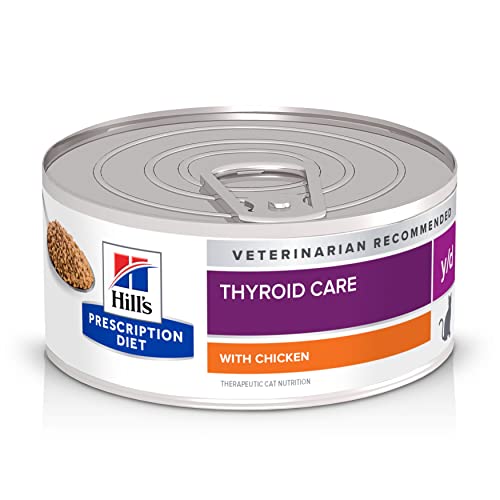
Hill's Prescription Diet y/d Thyroid Care Wet Food
$88.99 on Amazon
Canned iodine-restricted diet for hydration plus thyroid control
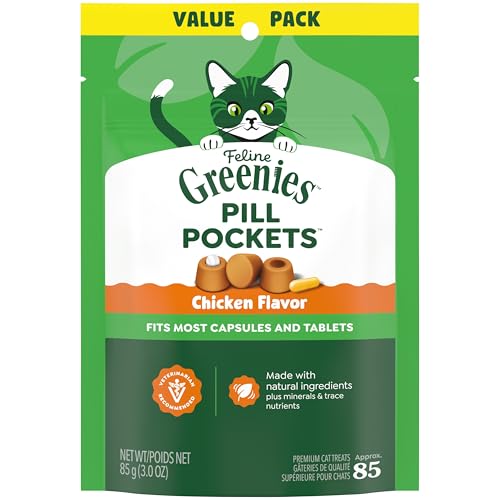
Greenies Feline Pill Pockets, Chicken
$11.96 on Amazon
Treat pouches that make giving methimazole pills far easier

TOMLYN High-Calorie Nutritional Gel
$13.00 on Amazon
Calorie support for hyperthyroid cats that have lost weight
Quick Verdict
Methimazole is flexible, effective in most cats, and works regardless of what else the cat eats, but it requires lifelong dosing and bloodwork and can cause side effects. Hill's y/d avoids daily pills and can normalize thyroid levels, but only if your cat eats it exclusively, which is hard in multi-cat or outdoor situations. Our guidance: there is no one-size answer. Your veterinarian will recommend the approach, or a permanent option like radioactive iodine, based on your cat's health and your home.
How Methimazole Works
Methimazole blocks the thyroid gland from producing excess hormone. Given as a tablet, usually twice daily, or as a transdermal gel rubbed into the ear, it brings thyroid levels down within a few weeks. It does not cure the disease; it controls hormone output for as long as the cat keeps taking it.
Advantages
- Highly effective in most cats at controlling hormone levels
- Diet-independent: works no matter what your cat eats, ideal for multi-cat homes
- Flexible forms: pills or an ear gel for cats that resist pilling
- Reversible and adjustable, with doses tuned to bloodwork
- Useful before a cure: often stabilizes a cat before radioactive iodine
Drawbacks
- Lifelong dosing once or twice daily
- Possible side effects: vomiting, appetite loss, facial itching, blood cell or liver changes
- Regular bloodwork needed to monitor thyroid, kidneys, and blood counts
- Pilling stress for cats and owners who struggle with medication
How the y/d Diet Works
Hill's y/d is a prescription food with carefully limited iodine. Because the thyroid needs iodine to make hormone, restricting it lowers hormone production. Fed strictly, it can return thyroid levels to normal within several weeks. The catch is that it only works if it is the cat's sole food source.
Advantages
- No pills, which suits cats and owners who cannot manage daily medication
- Effective when fed exclusively, normalizing thyroid levels for many cats
- Available in wet and dry, so you can add hydration with the canned form
- No drug side effects to monitor
Drawbacks
- Must be the only food: any treats, scraps, other cats' food, or prey undermine it
- Hard in multi-cat or outdoor homes where intake cannot be controlled
- Palatability: not every cat will accept it
- Long-term iodine restriction raises questions some owners and vets weigh carefully
- Controls but does not cure; stopping the diet brings hyperthyroidism back
Haven Pet Insurance for Senior Cats.Coverage for accidents, illness, and the chronic conditions that drive the biggest senior-cat vet bills (kidney disease, hyperthyroidism, diabetes). Get a fast, free quote using your cat’s breed, age, and zip, then see your monthly premium before you commit.Sponsored
Side-by-Side Comparison
| Factor | Methimazole | y/d Diet |
|---|---|---|
| Type | Prescription medication | Prescription diet |
| How it works | Blocks hormone production | Restricts iodine the thyroid needs |
| Daily routine | Pill or ear gel, once or twice daily | Feed exclusively, nothing else |
| Works in multi-cat homes | Yes | Difficult |
| Side effects | Possible (GI, skin, blood, liver) | None from a drug |
| Monitoring | Regular bloodwork | Regular bloodwork |
| Cure? | No, controls only | No, controls only |
| Best for | Most cats, multi-pet homes | Owners who cannot pill, single-cat homes |
Do Not Forget the Curative Options
Both methimazole and y/d manage hyperthyroidism for life rather than curing it. Many veterinarians consider radioactive iodine therapy the gold standard, because a single treatment can cure the disease by destroying the overactive thyroid tissue, with no ongoing pills or special diet afterward. It costs more upfront and involves a short hospital stay. Surgical removal of the thyroid is another curative route. Methimazole and y/d are often used to stabilize a cat first and to confirm that the kidneys can tolerate normal thyroid levels before a permanent treatment.
The Kidney Connection
Hyperthyroidism increases blood flow through the kidneys and can hide underlying kidney disease on bloodwork. When thyroid levels return to normal, that masking lifts and kidney disease may surface. This is expected, not a treatment failure, and it is one reason vets often start methimazole at a modest dose, since it is reversible, and recheck kidney values once thyroid levels stabilize. Many senior cats have both conditions, and balancing them is a key part of why this decision belongs with your veterinarian.
Our Guidance
There is no single correct choice between methimazole and y/d. Methimazole tends to suit most cats and is the more practical option in multi-cat or outdoor households, while y/d is valuable when daily medication is not workable and the cat's diet can be fully controlled. The supportive products above, pill pockets to ease dosing or a calorie gel for a cat that has lost weight, can help either path, but they are not treatments themselves.
Bring this comparison to your veterinarian and decide together, factoring in your cat's kidney health, heart status, temperament, and your home setup, plus whether a curative option like radioactive iodine is right. Uncontrolled hyperthyroidism is dangerous, so follow your vet's plan and keep up with the recommended bloodwork. This article is educational and complements, never replaces, veterinary care.
Senior Cat Wellness & Care Planner
Track your aging cat's health, meds, vet visits, mobility, nutrition, and quality of life — all in one printable planner.
Related Guides
- Hyperthyroidism in Senior Cats - Symptoms, diagnosis, and treatment
- Kidney Disease in Senior Cats - The common companion condition
- Wet vs Dry Food for Senior Cats - Feeding an aging cat
Frequently Asked Questions
Is methimazole or y/d diet better for a hyperthyroid cat?
Neither is universally better, and the choice belongs with your veterinarian. Methimazole is a medication that blocks thyroid hormone production and works well in most cats, but requires lifelong dosing and monitoring. Hill's y/d is an iodine-restricted prescription diet that can normalize thyroid levels only if the cat eats it exclusively. Methimazole is more flexible for households with other pets or picky eaters, while y/d suits owners who cannot pill a cat. Your vet will weigh your cat's health and your home situation.
Does y/d cat food really treat hyperthyroidism?
It can, by limiting the iodine the thyroid needs to make hormone, but only if your cat eats y/d and nothing else, no treats, table scraps, other foods, or hunted prey. Any outside iodine undermines the diet. That makes y/d challenging in multi-cat homes or for cats with outdoor access. When fed strictly, many cats reach normal thyroid levels within a few weeks, but it controls the condition rather than curing it, and stopping the diet brings hyperthyroidism back.
What are the side effects of methimazole in cats?
Most cats tolerate methimazole, but some experience vomiting, reduced appetite, or lethargy early on, and a smaller number develop facial itching, blood cell changes, or liver effects. Your vet monitors bloodwork to catch problems. Methimazole also comes as a transdermal gel applied to the ear for cats that resist pills. Because side effects and dosing needs vary, regular rechecks are essential. Report any new symptoms to your veterinarian promptly.
Are methimazole and y/d the only options for hyperthyroidism?
No. Radioactive iodine therapy is widely considered the gold standard because it can cure hyperthyroidism with a single treatment by destroying the overactive thyroid tissue, though it has a higher upfront cost and requires a brief hospital stay. Surgical thyroid removal is another option. Methimazole and y/d are the two main ongoing-management approaches, often used to stabilize a cat before deciding on a permanent solution. Your vet can explain which path fits your cat.
Can I switch my cat from y/d to methimazole or vice versa?
Yes, under veterinary supervision, and cats do switch when one approach is not working out. A cat that will not eat y/d exclusively may move to methimazole, while a cat with troublesome drug side effects might try the diet. Any change should be guided by your vet with follow-up bloodwork to confirm thyroid levels stay controlled. Never start, stop, or change these treatments on your own, because uncontrolled hyperthyroidism strains the heart and kidneys.
Why does treating hyperthyroidism sometimes reveal kidney disease?
Hyperthyroidism increases blood flow through the kidneys and can mask underlying kidney disease on bloodwork. Once thyroid levels are brought back to normal, that masking effect lifts and kidney disease may become apparent. This is normal and expected, not a treatment failure, which is why vets often start cautiously and recheck kidney values after thyroid levels stabilize. Many senior cats have both conditions, and managing them together is a balancing act your vet will guide.
Need more help with your aging cat?
Browse our guides by topic to find practical solutions.
Wellness Planner — $39