Prescription vs OTC Kidney Diet for Cats
Prescription renal diet vs OTC kidney support food for senior CKD cats: why prescription is the standard, phosphorus restriction, palatability, and vet guidance.
Important: Diagnosis and Diet Belong With Your Veterinarian
Chronic kidney disease is one of the most common serious conditions in senior cats, and diet is a cornerstone of treatment. A prescription renal diet requires a veterinary diagnosis and prescription, plus ongoing bloodwork to track kidney values. This article is educational and helps you have an informed conversation with your vet. It does not replace veterinary diagnosis or treatment, and you should not switch a CKD cat's diet on your own.
When an older cat is diagnosed with chronic kidney disease, or CKD, food becomes medicine. The right diet can slow the disease and add comfortable months or years, while the wrong one can speed decline. Owners quickly run into a choice on the shelf: a vet-only prescription renal diet like Hill's k/d or Royal Canin Renal, or an over-the-counter kidney support food sold without a prescription.
They sound similar, but they are not the same thing. This guide explains how each is formulated, why prescription renal diets are the standard of care, and where an OTC option might fit, so you can make a confident, vet-guided decision.
Kidney Care Picks for Senior Cats

Hill's Prescription Diet Hill's k/d Kidney Care Dry Food
$43.99 on Amazon
Phosphorus-restricted prescription renal diet for CKD cats
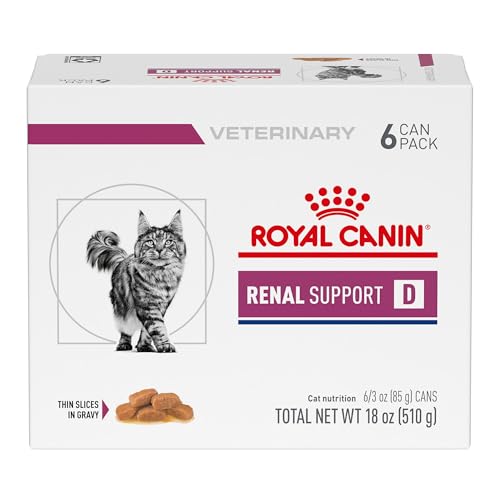
Royal Canin Royal Canin Renal Support Wet Food
$19.29 on Amazon
Prescription renal diet in gravy for hydration and palatability

Dave's Pet Food OTC Low-Phosphorus Kidney Support
$22.99 on Amazon
Over-the-counter low-phosphorus food for early or transitional use
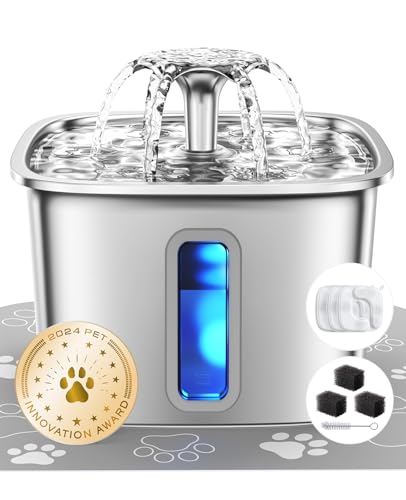
Veken Stainless Steel Cat Water Fountain
$25.49 on Amazon
Encourages drinking to fight the dehydration CKD cats face
Quick Verdict
A prescription renal diet is the standard of care for diagnosed CKD and the only diet proven to extend survival, thanks to tight phosphorus and protein control plus added buffers and omega-3s. An OTC kidney support food is not equivalent and is not a substitute for therapeutic nutrition, though it may serve a cat in very early disease or one that refuses prescription food. Our recommendation: for a confirmed CKD diagnosis, feed a prescription renal diet under your vet's guidance, and treat OTC foods as a fallback to discuss, never a do-it-yourself swap.
Why Prescription Renal Diets Are the Standard
Prescription renal diets are formulated to specific therapeutic targets that ordinary foods do not meet. The most important is phosphorus restriction, because excess phosphorus in the blood drives kidney damage forward. They also moderate protein to high-quality sources, which lowers the waste the kidneys must filter while protecting muscle, and they add omega-3 fatty acids, potassium, and alkalinizing buffers to counter the acid buildup and potassium loss that CKD causes.
What the Evidence Shows
- Longer survival in cats fed therapeutic renal diets versus regular food
- Fewer uremic crises and better day-to-day comfort
- Slower progression tied largely to phosphorus control
- Backed by clinical studies, which OTC foods generally lack
Where OTC Kidney Support Foods Fit
Over-the-counter foods labeled for kidney or urinary support are often gentler than standard diets, with somewhat reduced phosphorus and protein, but they are not held to the strict therapeutic numbers of a prescription renal diet and are not clinically validated for CKD. They may have a role for a cat in the earliest stage of disease, a cat between rechecks, or one that simply will not touch prescription food. The key is to use them with your vet's knowledge rather than as a quiet replacement for prescribed nutrition.
Reasonable Uses
- Very early or borderline kidney values, if your vet agrees
- A palatable bridge for a cat refusing prescription food
- Multi-cat households where strict separation is hard, as a discussed compromise
Haven Pet Insurance for Senior Cats.Coverage for accidents, illness, and the chronic conditions that drive the biggest senior-cat vet bills (kidney disease, hyperthyroidism, diabetes). Get a fast, free quote using your cat’s breed, age, and zip, then see your monthly premium before you commit.Sponsored
Side-by-Side Comparison
| Factor | Prescription Renal Diet | OTC Kidney Support |
|---|---|---|
| Requires a vet | Yes, prescription | No |
| Phosphorus control | Tight, therapeutic | Mild, variable |
| Clinical evidence | Strong, extends survival | Limited |
| Added buffers and omega-3s | Yes | Inconsistent |
| Best for | Diagnosed CKD | Very early disease or refusal cases |
| Standard of care | Yes | No |
Getting a CKD Cat to Actually Eat
The best diet only helps if your cat eats it, and CKD often dulls appetite and causes nausea. Warm wet food to release aroma, offer both loaf and gravy textures, and try different prescription brands, since Hill's, Royal Canin, and Purina renal foods taste quite different. Transition slowly over one to two weeks by mixing increasing amounts of the new food. Never let a cat go without eating for more than a day or two, because cats can develop dangerous hepatic lipidosis quickly. If appetite stays poor, your vet may prescribe an appetite stimulant.
Hydration Matters as Much as the Food
CKD cats lose the ability to concentrate urine, so they dehydrate easily. Wet renal food helps, and a water fountain encourages drinking because cats are drawn to moving water. Place several water sources around the home at easy-to-reach spots for an arthritic senior, and ask your vet whether subcutaneous fluids at home are appropriate as the disease advances.
Check Price on AmazonOur Recommendation
For a cat with diagnosed chronic kidney disease, feed a prescription renal diet under your veterinarian's guidance. It is the standard of care because it controls phosphorus and protein and adds the buffers and omega-3s a failing kidney needs, and it is the only diet shown to lengthen life. Use OTC kidney support foods only as a vet-approved fallback for very early disease or a cat that refuses prescription food, never as a self-directed substitute. Support the diet with good hydration, regular bloodwork, and prompt reporting of appetite or weight changes. This article is educational and complements, not replaces, your veterinarian's care.
Senior Cat Wellness & Care Planner
Track your aging cat's health, meds, vet visits, mobility, nutrition, and quality of life — all in one printable planner.
Related Guides
- Kidney Disease in Senior Cats - Symptoms, stages, and treatment
- Best Food for Cats With Kidney Disease - Renal diet picks
- Water Fountain vs Bowl for Cats - Boosting hydration
Frequently Asked Questions
Is a prescription renal diet really better than an OTC kidney food for cats?
Yes, for diagnosed chronic kidney disease, a prescription renal diet is the standard of care and the only diet shown in studies to extend survival and quality of life. Foods like Hill's k/d and Royal Canin Renal are carefully restricted in phosphorus and protein and enriched with omega-3s and buffers. Over-the-counter kidney support foods are not held to the same therapeutic targets and are not a substitute. Always feed a renal diet under veterinary supervision after a confirmed diagnosis.
What makes a prescription kidney diet different from regular cat food?
Three things stand out. First, phosphorus is sharply reduced, which is the single most important factor for slowing kidney disease progression. Second, protein is moderately restricted and high quality, easing the kidneys' workload while preventing muscle loss. Third, the food adds omega-3 fatty acids, potassium, and alkalinizing buffers to counter the acid buildup and potassium loss that CKD causes. Ordinary and most OTC foods are not formulated to hit these specific therapeutic numbers.
Can I feed an over-the-counter kidney support food instead?
OTC kidney support foods can be gentler than standard diets, but they are marketed without the strict therapeutic formulation or clinical backing of a prescription renal diet. They may help a cat in very early disease or one that flatly refuses prescription food, but they are not equivalent. If your cat will not eat prescription food, tell your vet rather than switching on your own. Getting any food into a CKD cat matters, and your vet can help find an acceptable option.
My CKD cat won't eat the prescription renal diet. What now?
This is common and worth solving with your vet, not by guessing. Try warming wet food, offering both the loaf and gravy textures, and switching brands, since Hill's, Royal Canin, and Purina renal diets differ in taste. Never starve a cat into eating, because cats can develop dangerous hepatic lipidosis after just a couple of days without food. If appetite stays poor, your vet may add an appetite stimulant or adjust the plan. A diet only works if the cat eats it.
Why is phosphorus restriction so important for kidney cats?
Damaged kidneys cannot clear phosphorus well, so it builds up in the blood and drives further kidney damage, bone changes, and feeling unwell. Lowering dietary phosphorus is the best-supported way to slow chronic kidney disease and help cats live longer, more comfortable lives. Prescription renal diets are built around tight phosphorus targets, and your vet may also add a phosphate binder. This is the main reason a true renal diet beats a general senior or OTC kidney food.
Does my cat need wet renal food, dry, or both?
Both forms exist, and many vets favor wet renal diets because CKD cats are prone to dehydration and water content helps. Wet food supports hydration and is often more palatable to a nauseous cat, while dry renal food is convenient and good for grazers. A mix is fine if your cat accepts it. Pair either with plenty of fresh water, ideally from a fountain, since moving water encourages drinking. Your vet can tailor the balance to your cat.
Need more help with your aging cat?
Browse our guides by topic to find practical solutions.
Wellness Planner — $39