Hyperthyroidism in Senior Cats: Signs & Care
Hyperthyroidism is common in senior cats: weight loss with a huge appetite and yowling. Learn signs, methimazole, the Y/D diet, and I-131 radioiodine treatment.
Hyperthyroidism is one of the most common hormonal diseases of older cats, and one of the most treatable. It develops when the thyroid glands in the neck grow and pump out too much thyroid hormone, throwing the body's metabolism into overdrive. The result is a cat that is, in effect, running its engine at full throttle all day and night.
The classic picture is striking once you know it: a senior cat that is steadily losing weight while eating like never before, often paired with increased thirst, a scruffy coat, restlessness, and loud yowling in the small hours. The encouraging news is that several reliable treatments exist, including a true cure. This guide walks through the signs, diagnosis, and the full menu of treatment options. It is educational and meant to complement, not replace, your veterinarian's advice.
Dosing & Weight-Recovery Aids for Hyperthyroid Cats
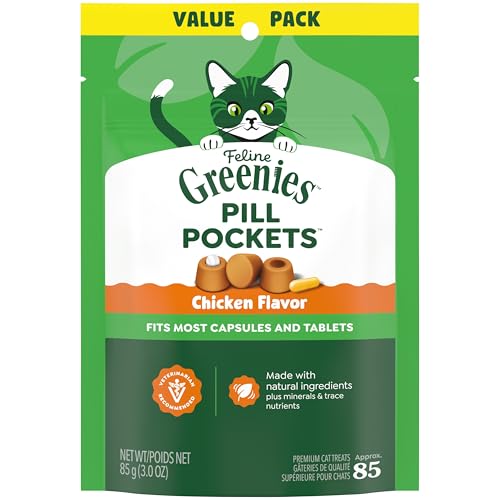
Greenies Feline Pill Pockets, Chicken Flavor
$11.96 on Amazon
Hides methimazole tablets so twice-daily dosing is far easier

Vetoquinol Pill Wrap Treats Paste
$16.79 on Amazon
Moldable paste that wraps any size pill for the toughest cats

VivaElixir High-Calorie Nutrition Paste for Cats
$29.99 on Amazon
Calorie and appetite support for cats that lost weight before treatment

Under the Weather Ready Cal High-Calorie Weight Gainer
Veterinarian-formulated powder to help rebuild lost condition
Haven Pet Insurance for Senior Cats.Coverage for accidents, illness, and the chronic conditions that drive the biggest senior-cat vet bills (kidney disease, hyperthyroidism, diabetes). Get a fast, free quote using your cat’s breed, age, and zip, then see your monthly premium before you commit.Sponsored
What the Thyroid Does
The thyroid is a pair of small glands in the neck that produce thyroid hormone, the body's master regulator of metabolism. Thyroid hormone sets the pace at which nearly every cell burns energy. When the glands enlarge and overproduce, every system speeds up. The heart beats faster and harder, the body burns calories at a frantic rate, the gut moves faster, and the cat feels wired and restless.
In more than nine out of ten cases the cause is a benign enlargement of the thyroid tissue, not cancer. True malignant thyroid tumors are uncommon. The condition is almost exclusively a disease of middle-aged and senior cats, with most diagnoses in cats over ten years old.
Recognizing the Signs
The signature of hyperthyroidism is weight loss in the face of a strong, sometimes voracious appetite. A cat that is melting away while emptying the food bowl is the textbook presentation. Other common signs include:
- Ravenous appetite: Begging, stealing food, or crying for meals far more than usual.
- Progressive weight loss: A spine and ribs that feel increasingly bony despite eating well.
- Increased thirst and urination: Drinking and using the litter box noticeably more.
- Loud nighttime yowling: Restless, vocal behavior, especially overnight.
- Unkempt, greasy coat: Less effective grooming and a rough, matted appearance.
- Hyperactivity or agitation: A jittery, restless edge that may look like anxiety.
- Digestive upset: Vomiting or diarrhea in some cats.
- Fast or pounding heartbeat: Often detected by your veterinarian on exam.
Because these signs can also point to diabetes, kidney disease, or cancer, a senior cat losing weight should always be examined and tested rather than assumed to be simply aging.
Senior Cat Wellness & Care Planner
Track your aging cat's health, meds, vet visits, mobility, nutrition, and quality of life — all in one printable planner.
How Hyperthyroidism Is Diagnosed
Diagnosis usually begins with a physical exam, where your veterinarian may feel an enlarged thyroid gland in the neck and detect a rapid heart rate or high blood pressure. The key test is a blood measurement of total thyroxine, or total T4, which is elevated in most affected cats. When results are borderline but signs fit, a free T4 test or a repeat panel a few weeks later can confirm the diagnosis. Full senior bloodwork, urinalysis, and blood pressure are run at the same time because hyperthyroidism so often travels with, and can mask, kidney disease.
Treatment Options
One of the best things about feline hyperthyroidism is that it is very treatable, with four established approaches. The right choice depends on your cat's age, kidney function, other health issues, your budget, and how easily your cat takes medication.
Methimazole Medication
Methimazole is the most common starting treatment. Given as a tablet or a gel applied to the inner ear, usually twice daily, it blocks the thyroid from making excess hormone. It does not cure the disease, so it must be given for life, and periodic blood tests confirm the dose is right. Its great advantage is that it is reversible: because it can be stopped, veterinarians often use it first to see how the kidneys respond once thyroid levels normalize. Pill pockets and gel formulations make lifelong dosing much more manageable.
Radioactive Iodine (I-131)
Radioactive iodine is widely regarded as the gold-standard cure. A single injection of I-131 is absorbed only by overactive thyroid tissue, which it selectively destroys while sparing normal tissue. Most cats are permanently cured with one treatment and never need medication again. It requires a brief hospital stay at a licensed facility for radiation safety. The main reason to delay or avoid it is significant underlying kidney disease, which is why reversible treatment usually comes first.
The Y/D Iodine-Restricted Diet
Hill's Prescription Diet y/d limits iodine so severely that the thyroid cannot manufacture excess hormone. For cats that cannot tolerate medication or are not surgical or I-131 candidates, it can control the disease, but only if the cat eats nothing else at all. No treats, no other cat's food, and no hunting are allowed, which makes it impractical in many multi-cat or indoor-outdoor homes. Most veterinarians view it as a second-line option.
Surgical Thyroidectomy
Surgery to remove the affected thyroid tissue can be curative and is sometimes chosen when I-131 is not available. It carries anesthetic risk, which matters in older cats, and requires careful attention to the nearby parathyroid glands. It is less commonly chosen now that radioactive iodine is widely available.
The Kidney Connection
This point is important enough to repeat. An overactive thyroid increases blood flow through the kidneys, which can make kidney values look better than they truly are. When the thyroid is treated and metabolism slows, hidden chronic kidney disease may surface. For this reason, veterinarians often start with reversible methimazole, recheck kidney values once thyroid hormone is controlled, and only then decide whether a permanent cure like I-131 is wise. Managing both conditions together is common and entirely doable.
Editor's Pick · Sponsored
Haven Pet Insurance for Senior Cats
Coverage for accidents, illness, and the chronic conditions that drive the biggest senior-cat vet bills (kidney disease, hyperthyroidism, diabetes). Get a fast, free quote using your cat’s breed, age, and zip, then see your monthly premium before you commit.
Living with a Hyperthyroid Cat
Once treatment brings thyroid levels back to normal, most cats improve dramatically. The relentless appetite eases, weight returns, the coat improves, and the nighttime yowling usually settles. During the recovery period, high-calorie nutritional support can help a thin cat rebuild lost muscle and condition. Keep up with the recheck schedule your veterinarian sets, watch for any return of signs, and report new vomiting, lethargy, or appetite changes promptly.
Hyperthyroidism is one of those conditions where attentive owners and modern veterinary medicine combine for genuinely good outcomes. With the right treatment plan, a cat that arrived gaunt and frazzled can return to a comfortable, contented senior life.
Related Guides
- Kidney Disease in Senior Cats - Hyperthyroidism can mask CKD, so the two are closely linked.
- Heart Disease and HCM in Senior Cats - An overactive thyroid strains the heart muscle.
- Common Health Problems in Senior Cats - See how thyroid disease fits the bigger picture.
Frequently Asked Questions
What are the classic signs of hyperthyroidism in cats?
The hallmark combination is weight loss despite a ravenous appetite. An overactive thyroid revs up metabolism, so a cat burns through calories and slowly wastes away even while begging for more food. Owners also notice increased thirst and urination, a greasy or unkempt coat, restlessness or hyperactivity, and loud nighttime yowling. Some cats vomit, have diarrhea, or develop a fast heart rate. Because it usually appears after age ten, any senior cat losing weight should be tested.
What causes hyperthyroidism in older cats?
In the vast majority of cases it is caused by a benign, non-cancerous enlargement of the thyroid glands in the neck that produces too much thyroid hormone. Fewer than five percent of cases involve a malignant thyroid tumor. The exact trigger is not fully understood, though long-term exposure to certain dietary and environmental factors is suspected. It almost always affects middle-aged and senior cats, with most diagnoses after age ten.
How is feline hyperthyroidism diagnosed?
Diagnosis usually starts with a blood test measuring total thyroxine, or total T4, which is elevated in most affected cats. Your veterinarian may also feel an enlarged thyroid gland in the neck and check heart rate and blood pressure. If T4 is borderline but signs fit, additional tests like free T4 or a repeat panel help confirm it. Because hyperthyroidism can mask underlying kidney disease, full senior bloodwork is run alongside.
What is the Y/D diet and does it work for hyperthyroid cats?
Hill's Prescription Diet y/d is a therapeutic food with strictly limited iodine. Because the thyroid needs iodine to make hormone, restricting it lowers thyroid hormone production and can normalize levels in many cats. It only works if the cat eats y/d exclusively, with no other food, treats, or hunting, which can be hard in multi-cat homes. It is a reasonable option for cats that cannot take medication, but most veterinarians consider it a second-line choice.
What is radioactive iodine treatment, or I-131?
Radioactive iodine, called I-131, is widely considered the gold-standard cure for feline hyperthyroidism. A single injection delivers radioactive iodine that is taken up only by the overactive thyroid tissue and destroys it, leaving normal tissue intact. Most cats are cured with one treatment and need no further medication. It requires a short hospital stay at a licensed facility for radiation safety. It is curative, but not every cat is a candidate, especially those with significant kidney disease.
Can hyperthyroidism hide kidney disease in cats?
Yes, and this is a crucial point. An overactive thyroid increases blood flow through the kidneys and can make kidney values look falsely normal. When the thyroid is treated and metabolism slows, underlying chronic kidney disease may be unmasked. This is why veterinarians often treat hyperthyroidism with reversible methods like medication first, recheck kidney values once thyroid levels normalize, and only then consider permanent options like I-131.
What happens if hyperthyroidism in cats is left untreated?
Untreated hyperthyroidism is dangerous. The constant high metabolic rate strains the heart, often causing a thickened heart muscle and high blood pressure that can damage the eyes, kidneys, and brain. Cats continue to lose weight and muscle, become weak, and can develop heart failure or sudden blindness. With diagnosis and one of several effective treatments, most cats do very well, so prompt veterinary care matters.
Need more help with your aging cat?
Browse our guides by topic to find practical solutions.
Wellness Planner — $39