Changes in Senior Cat Behavior: Normal vs. Vet-Worthy
Which changes in senior cat behavior are normal aging and which mean a vet visit? A clear guide to sleep, vocalizing, hiding, and cognitive signs in older cats.
Reading the Signals of an Aging Cat
Cats change as they grow old, just as we do. They slow down, sleep more, and settle into the comfortable rhythms of a senior life. Most of this is perfectly normal. But cats are also famous for hiding illness, and a behavior change is often the very first sign that something is wrong on the inside. The challenge for any loving owner is telling the two apart: which shifts are simply your cat getting older, and which are a quiet plea for help?
This guide walks through the most common behavior changes in senior cats and where each tends to fall on the spectrum from normal aging to vet-worthy concern. The single most useful rule of thumb is this: gradual and mild usually means aging, while sudden, severe, or worsening usually means a medical cause. When in doubt, your veterinarian is the best resource, because catching disease early gives your cat the best outcome.
Products That Support an Aging Cat
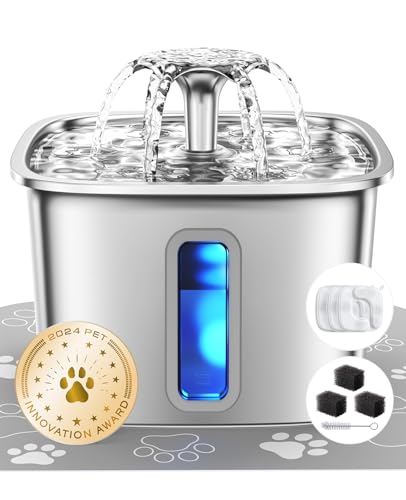
Veken Stainless Steel Cat Water Fountain
$25.49 on Amazon
Encourages drinking and helps you monitor a thirsty senior cat

K&H Pet Products Heated Orthopedic Cat Bed
$36.99 on Amazon
Warmth that soothes aging joints and supports restful sleep

FELIWAY FELIWAY Classic Calming Diffuser
$24.99 on Amazon
Eases stress-driven behavior changes in anxious older cats

Pet Honesty Calming Treats for Cats
Gentle support for cats unsettled by change or anxiety
Sleep and Activity
Usually normal: Senior cats sleep more and play in shorter bursts. A gradual reduction in energy, more time spent in cozy spots, and a preference for warmth are all typical of healthy aging.
Worth a vet visit: A sudden crash in activity, an inability or refusal to jump that may signal arthritis, restlessness and pacing especially at night, or a flip in the sleep-wake cycle where your cat is awake and agitated overnight. Nighttime restlessness is also a classic sign of cognitive dysfunction.
Vocalizing
Usually normal: Some cats become a little more talkative with age, particularly around meals or for attention.
Worth a vet visit: A marked increase in meowing or loud, aimless yowling, especially at night. Excessive vocalizing is a leading sign of hyperthyroidism, high blood pressure, and cognitive dysfunction, all common and treatable in older cats. New, intense vocalizing deserves bloodwork and a blood pressure check.
Haven Pet Insurance for Senior Cats.Coverage for accidents, illness, and the chronic conditions that drive the biggest senior-cat vet bills (kidney disease, hyperthyroidism, diabetes). Get a fast, free quote using your cat’s breed, age, and zip, then see your monthly premium before you commit.Sponsored
Hiding and Social Changes
Usually normal: A senior cat may be slightly less tolerant of rowdy play, noise, or disruption, and may seek quiet more often.
Worth a vet visit: A clear increase in hiding, withdrawal from people and routines, or a cat who tucks away and will not come out. Because hiding is how cats cope with feeling unwell, increased hiding is one of the most reliable signs of pain or illness and should prompt an exam.
Litter Box Habits
Usually normal: Occasionally missing the edge of a high-sided box as joints stiffen, or preferring a more accessible box.
Worth a vet visit: New accidents outside the box, straining, crying while toileting, increased frequency, or much larger urine clumps. These can indicate urinary issues, kidney disease, diabetes, arthritis that makes the box hard to enter, or cognitive dysfunction. Straining with little production is an emergency, especially in male cats.
Appetite, Thirst, and Grooming
Usually normal: Slightly reduced grooming and modest changes in appetite can accompany aging.
Worth a vet visit: Increased thirst and urination, weight loss with a strong appetite, a sharp drop in appetite, vomiting, or a coat that becomes greasy and unkempt. These point to common senior diseases like kidney disease, hyperthyroidism, and diabetes. A water fountain can help you encourage and monitor drinking while you arrange a visit.
Cognitive Dysfunction: The DISHAA Signs
Feline cognitive dysfunction deserves special mention because its signs are so easy to dismiss as normal aging. Veterinarians often watch for the DISHAA pattern:
- Disorientation: staring at walls, getting stuck in corners, seeming lost in familiar rooms.
- Interaction changes: becoming clingier or more withdrawn than usual.
- Sleep changes: sleeping by day, restless and vocal at night.
- House soiling: new litter box accidents without a urinary cause.
- Activity changes: aimless pacing, wandering, or reduced purposeful activity.
- Anxiety: increased agitation, neediness, or fearfulness.
Because hyperthyroidism, hypertension, and pain can all mimic these signs, cognitive dysfunction is diagnosed only after your vet rules out treatable medical causes.
Senior Cat Wellness & Care Planner
Track your aging cat's health, meds, vet visits, mobility, nutrition, and quality of life — all in one printable planner.
Your Role as Your Cat's Advocate
You know your cat better than anyone, and that knowledge is their best protection. Keep a simple log of any behavior changes, including when they started and what else you have noticed, and share it at twice-yearly senior wellness visits. Treat sudden or severe changes as the warning signs they often are, and lean on routine, comfort, gentle enrichment, and good veterinary care to keep your cat feeling their best. Aging is not a disease, but many of the diseases that hide behind it are treatable. Noticing the difference is one of the greatest gifts you can give an older cat.
Related Guides
- Senior Cat Yowling at Night - A deeper look at one common, telling change.
- Old Cat Hiding More - Why increased hiding so often signals illness.
- How to Mentally Stimulate an Older Cat - Enrichment that supports an aging brain.
Frequently Asked Questions
What behavior changes are normal in senior cats?
Some changes come naturally with age: sleeping more, playing in shorter bursts, being less tolerant of disruption, seeking out warm spots, and grooming a little less thoroughly. A gradual slowing down is expected. What is not normal is a sudden or marked change, such as a big jump in vocalizing, new hiding, litter box accidents, appetite or thirst changes, or confusion. Those warrant a vet visit, because they often signal a treatable medical problem.
How do I know if my cat's behavior change is a medical problem?
Look at speed and severity. Slow, mild changes over months are usually normal aging, while sudden, dramatic, or worsening changes point to a medical cause. Pay special attention if behavior shifts come with physical signs like weight loss, increased thirst or urination, vomiting, reduced grooming, or trouble jumping. When in doubt, have your vet examine your cat, since cats hide illness well and behavior is often the first clue.
What are the signs of cognitive dysfunction in senior cats?
Feline cognitive dysfunction can cause disorientation, staring at walls, getting stuck in corners, altered sleep with nighttime restlessness, increased and often aimless vocalizing, litter box accidents, changes in social interaction, and reduced grooming. The signs are sometimes summarized by the DISHAA framework: disorientation, interaction changes, sleep changes, house soiling, activity changes, and anxiety. Because other diseases mimic these, a vet should confirm the diagnosis.
Which senior cat behavior changes are emergencies?
Seek prompt or emergency care if your cat stops eating or drinking, strains or cries in the litter box, hides and will not come out, shows sudden disorientation or collapse, or has a rapid change in breathing. Not eating for more than a day is dangerous for cats. Sudden blindness or severe agitation can signal high blood pressure. When a behavior change is abrupt and severe, treat it as urgent rather than waiting.
Why is my senior cat's personality changing?
Personality shifts in older cats usually trace back to a cause rather than the cat simply becoming grumpy. Pain from arthritis or dental disease makes cats less tolerant and more withdrawn. Sensory loss and cognitive decline change how they interact, and diseases like hyperthyroidism can cause agitation or restlessness. Because so many of these are treatable, a personality change is a strong reason to schedule a senior wellness exam.
How often should a senior cat see the vet?
Most veterinarians recommend wellness checks at least twice a year for cats over about ten, even when they seem healthy. Senior cats hide illness, and twice-yearly exams with bloodwork and blood pressure catch conditions like kidney disease, hyperthyroidism, and hypertension early, when they are most manageable. Between visits, keep notes on any behavior changes so you can share patterns with your vet.
Can I slow down behavioral aging in my cat?
You cannot stop aging, but you can support it. Twice-yearly vet visits, prompt treatment of pain and illness, a consistent routine, mental and gentle physical enrichment, easy access to resources, and a calm, comfortable environment all help senior cats stay engaged and content. Good nutrition and managing conditions like arthritis and dental disease keep cats feeling their best, which preserves more of their normal behavior for longer.
Need more help with your aging cat?
Browse our guides by topic to find practical solutions.
Wellness Planner — $39