How to Mentally Stimulate an Older Cat: Gentle Enrichment
Keep your senior cat's mind sharp with gentle, low-impact enrichment: food puzzles, short play, scent games, and window watching tailored to an aging cat.
Why an Aging Mind Needs Gentle Exercise
It is easy to assume an older cat just wants to sleep, and they do sleep more. But beneath all that napping is a brain that still craves engagement, and keeping it active is one of the kindest things you can do for an aging cat. Mental stimulation helps stave off boredom and anxiety, supports a healthy sleep-wake cycle, and may help slow the cognitive decline that creeps up on senior cats. A gently busy mind is a happier, more settled mind.
The trick is matching the enrichment to your cat's changing body. A twelve-year-old cat does not need the acrobatic play of a kitten, and pushing too hard can strain stiff joints or simply put them off. What they need is low-impact, brain-first activity: short bursts of play, food they have to think about, novel scents and sights, and the steady companionship of a predictable routine. Here is how to provide it.
Gentle Enrichment Products for Older Cats

$15.19 on Amazon
Interactive treat puzzle that engages the brain and foraging instinct

PetSafe Slimcat Treat-Dispensing Ball
$7.95 on Amazon
Rolls along the floor to reward gentle, low-impact movement

Potaroma Interactive Hide-and-Seek Cat Toy
$22.78 on Amazon
Self-moving toy that sparks gentle curiosity and play
Food Puzzles and Foraging
Cats are wired to work for food, and food puzzles tap straight into that instinct. A puzzle feeder or treat-dispensing ball turns a meal into a small mental challenge, engaging your cat's problem-solving while slowing down fast eaters and adding gentle movement. Start with an easy design so your cat succeeds quickly, since frustration will make them give up, then increase the difficulty as their confidence grows. For arthritic cats, keep puzzles at floor level and choose ones that are simple to nudge and paw.
Short, Low-Impact Play
Interactive play is enrichment for body and mind, but the style has to shift with age. Trade high leaps for ground-level action: drag a wand toy along the floor like scurrying prey, let your cat stalk and pounce on a flat surface, and keep landings soft. Aim for a few short sessions of five to ten minutes rather than one long bout, and always end on a successful catch so play stays satisfying. Self-moving toys can fill in between your sessions, offering gentle stimulation when you are busy.
Scent and Sensory Enrichment
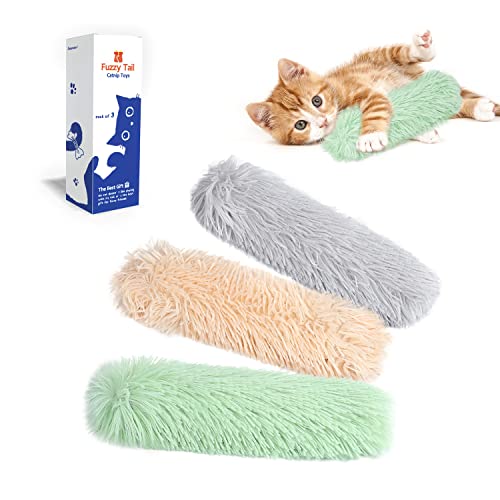
A cat's sense of smell stays powerful into old age, making scent a wonderful, low-effort way to engage them. Catnip and silvervine toys can light up even a sleepy senior, and rotating which ones are available keeps them novel. You can also enrich the environment with new textures, a sprinkle of dried herbs cats enjoy, or simply a cardboard box to investigate. For cats whose eyesight or mobility has declined, scent-based play offers stimulation without demanding much movement.
Window Watching and a Stimulating View
Never underestimate the enrichment value of a good window. A comfortable perch overlooking a bird feeder, a busy street, or a garden gives an older cat hours of low-effort mental engagement. Position a warm, easy-to-reach bed by a window, and consider a feeder outside to draw in birds and squirrels. This passive entertainment is ideal for cats who tire quickly but still want to watch the world go by.
Gentle Training and Interaction
Cats can learn at any age, and simple clicker training, teaching a target touch or a paw, exercises the mind while strengthening your bond. Keep sessions brief and reward generously with a favorite treat. Even everyday interaction counts: talking to your cat, grooming them, and including them in household routines all provide the social and mental engagement that keeps senior cats feeling connected.
Senior Cat Wellness & Care Planner
Track your aging cat's health, meds, vet visits, mobility, nutrition, and quality of life — all in one printable planner.
Adapt to Your Cat, and Watch for Red Flags
The golden rule of enriching an older cat is to follow their lead. Some days they will be game for play, others they will prefer to watch from the windowsill, and both are fine. Keep activities accessible: provide ramps or steps to favorite spots, keep everything at a comfortable height, and never push past the point of tiredness or stiffness.
Finally, pay attention if your cat suddenly loses interest in activities they used to enjoy. A drop in engagement can be normal aging, but it can also signal pain, illness, or cognitive dysfunction. When in doubt, check with your veterinarian. With a little adaptation, you can keep your senior cat's mind bright, curious, and engaged for years to come.
Related Guides
- Changes in Senior Cat Behavior - Telling normal aging from a reason to call the vet.
- Senior Cat Anxiety - How enrichment and routine reduce stress in older cats.
- Old Cat Hiding More - When reduced engagement points to illness.
Frequently Asked Questions
Do senior cats still need mental stimulation?
Absolutely. Mental stimulation matters even more as cats age, because an engaged brain stays sharper for longer and enrichment helps slow the boredom, anxiety, and inactivity that can speed cognitive decline. Older cats simply need gentler, lower-impact activities than kittens: short play sessions, food puzzles, scent enrichment, and window watching all keep an aging mind active without straining stiff joints.
How do I play with a cat that has arthritis?
Keep play low and slow. Use wand toys that move along the floor rather than encouraging big leaps, offer ground-level chasing and pouncing, and keep sessions short and frequent. Provide soft landing spots and ramps or steps so your cat can reach favorite perches without jumping. Watch for stiffness or reluctance, stop before your cat tires, and talk to your vet about pain control so play stays comfortable.
What are the best enrichment activities for an old cat?
Food puzzles and slow feeders that make your cat work gently for meals, short interactive wand play, treat-dispensing balls rolled along the floor, catnip or silvervine toys, and window perches for bird watching all work well. Scent enrichment, gentle clicker training, and simply rotating a small selection of toys to keep them novel are also effective. Match the activity to your cat's mobility and energy on any given day.
Can mental stimulation help with feline cognitive dysfunction?
Regular mental enrichment is one of the supportive measures that may help cats with cognitive dysfunction, alongside routine, diet, supplements, and veterinary care. Keeping the brain gently active through play, food puzzles, and interaction can help maintain engagement and may slow some decline. It is not a cure, and a cat showing confusion, disorientation, or disrupted sleep should be evaluated by a vet, but enrichment is a valuable part of overall management.
How much playtime does a senior cat need each day?
Aim for a few short sessions of roughly five to ten minutes spread through the day rather than one long workout, adjusting to your cat's energy and mobility. Many older cats enjoy a gentle play session in the morning and another in the early evening, which also helps them settle at night. Let your cat's interest and stamina guide you, and always stop before they become tired or sore.
My senior cat ignores toys. How do I get them interested?
Reduced interest in play can reflect boredom with familiar toys, but it can also signal pain, illness, or cognitive decline, so rule those out with your vet first. To rekindle interest, rotate toys so they feel novel, try catnip or silvervine, use wand toys that mimic prey movement along the floor, and pair play with treats. Keep sessions short and end on a successful catch so play stays rewarding.
Are food puzzles good for older cats?
Yes. Food puzzles and slow feeders are excellent low-impact enrichment for senior cats, engaging the brain and the natural foraging instinct while slowing down fast eaters. Start with an easy puzzle so your cat succeeds and does not get frustrated, then increase difficulty gradually. For cats with dental issues or reduced mobility, choose puzzles that are easy to manipulate and keep them at floor level for comfortable access.
Need more help with your aging cat?
Browse our guides by topic to find practical solutions.
Wellness Planner — $39