Senior Cat Yowling at Night: Causes and Fixes
Senior cat yowling at night? Learn the medical causes vets rule out first, from hyperthyroidism to kidney disease and dementia, plus calming fixes that help.
When the House Goes Quiet and Your Cat Starts to Howl
Few things rattle a cat owner like a long, mournful yowl echoing down the hallway at three in the morning. Your older cat stands alone in a dark room, calling out to no one you can see, and no amount of reassurance seems to settle them. It is exhausting, and it is worrying, because deep down you sense this is not the cat you have always known.
Here is the most important thing to understand: in a cat over ten, sudden or worsening night yowling is rarely just a quirk. It is usually the voice of an underlying medical or cognitive problem. Before you treat it as a behavior issue, the goal is to rule out the diseases that are genuinely common in senior cats. Several of them are very treatable, and the yowling often fades once they are addressed.
Helpful Products for Nighttime Yowling

FELIWAY FELIWAY Classic Calming Diffuser
$24.99 on Amazon
Drug-free pheromone plug-in that helps anxious senior cats feel settled at night

Pet Honesty Calming Treats for Cats
L-theanine and chamomile chews to ease nighttime restlessness

Attivolife Motion Sensor Cat Night Light
$14.79 on Amazon
Soft glow that helps a disoriented older cat navigate in the dark
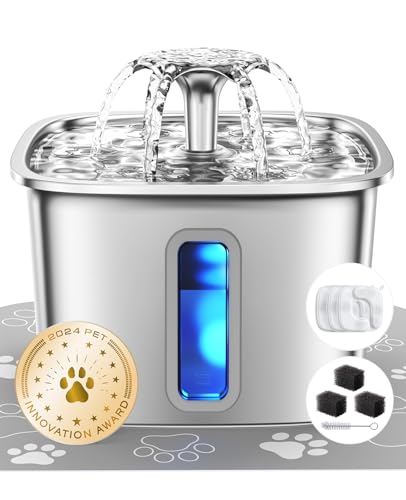
Veken Stainless Steel Cat Water Fountain
$25.49 on Amazon
Encourages drinking for cats with thyroid or kidney-related thirst
The Medical Causes to Rule Out First
Hyperthyroidism
An overactive thyroid is one of the most common diseases in older cats and a leading cause of nighttime yowling. The excess thyroid hormone revs the whole body up, leaving cats wired, hungry, and unable to relax even when they are tired. Classic clues include weight loss despite a big appetite, increased thirst, vomiting, and a coat that looks unkempt. The good news is that hyperthyroidism responds well to medication, a prescription diet, or radioiodine treatment, and the yowling commonly quiets once hormone levels normalize.
High Blood Pressure (Hypertension)
Feline hypertension often travels alongside kidney disease and hyperthyroidism, and it can make cats agitated and vocal. Dangerously high pressure can damage the eyes and cause sudden blindness, which is itself a powerful trigger for confused, distressed yowling. Blood pressure is quick and painless to check at the clinic, and it should be part of any senior cat workup when night howling appears.
Chronic Kidney Disease
Kidney disease is extremely common in aging cats and brings increased thirst, increased urination, nausea, and a general sense of feeling unwell. A cat who wakes thirsty, makes more trips to the litter box, or simply feels off may pace and call out in the night. Kidney disease cannot be cured, but with diet, fluids, and medication, cats often feel markedly better, sleep more soundly, and yowl less.
Pain and Sensory Loss
Arthritis is widespread in senior cats and tends to stiffen and ache most when they have been lying still, which is exactly when they are trying to sleep. Dental pain, too, throbs in the quiet of the night. Cats who are losing their sight or hearing also feel more vulnerable in the dark and may yowl from insecurity or because they can no longer gauge their own volume.
Haven Pet Insurance for Senior Cats.Coverage for accidents, illness, and the chronic conditions that drive the biggest senior-cat vet bills (kidney disease, hyperthyroidism, diabetes). Get a fast, free quote using your cat’s breed, age, and zip, then see your monthly premium before you commit.Sponsored
Feline Cognitive Dysfunction
Once treatable diseases are ruled out, cognitive dysfunction syndrome (CDS) becomes a real possibility. This is the feline version of dementia, and disrupted sleep-wake cycles are a hallmark. Affected cats may sleep heavily by day and become restless, disoriented, and loudly vocal at night. They might stand in a doorway howling, seem not to recognize a familiar room, or call as though searching for someone. CDS cannot be reversed, but it can be managed with environmental support, routine, and sometimes supplements or medication from your vet.
What a Vet Visit Looks Like
Because so many of these causes overlap, a thorough senior workup is the fastest route to answers. Expect a physical exam plus a few core tests:
- Bloodwork to check thyroid levels, kidney values, and signs of other illness.
- Blood pressure measurement to catch hypertension before it harms the eyes or heart.
- Urinalysis to assess kidney function and rule out infection.
- A pain and mobility assessment, since arthritis is easy to miss in cats who hide discomfort.
Bring notes or a short phone video of the yowling, including when it happens and what your cat does. Patterns help your vet narrow things down quickly.
Home Strategies That Help
Treat the Underlying Condition
Nothing quiets the nights like controlling the disease driving them. If your cat has hyperthyroidism, kidney disease, hypertension, or arthritis, following your vet's treatment plan is the single most effective step you can take.
Build a Calming Evening Routine
Cats thrive on predictability. An interactive play session in the early evening, followed by a small late meal, taps into the natural hunt-eat-groom-sleep rhythm and helps your cat settle. Feeding a portion right before bed means hunger is less likely to wake them in the small hours.
Ease Disorientation in the Dark
For cats with failing senses or early cognitive decline, a plug-in night light gives gentle reference points so a dark hallway feels less frightening. Keep furniture and the litter box in consistent places so your cat can navigate from memory.
Use Calming Aids
A synthetic pheromone diffuser sends a continuous reassuring signal that many cats find soothing, and calming treats with ingredients like L-theanine can take the edge off nighttime anxiety. These work best layered on top of medical treatment and a steady routine, not as a replacement for them.
Keep Resources Within Easy Reach
An older cat should never have to travel far or climb to reach water, food, or a litter box at night. A water fountain encourages the steady drinking that thyroid and kidney cats need, and a low-sided litter box close to their sleeping spot reduces both accidents and anxious wandering.
Senior Cat Wellness & Care Planner
Track your aging cat's health, meds, vet visits, mobility, nutrition, and quality of life — all in one printable planner.
What Not to Do
- Do not punish the yowling. Your cat is communicating distress or need, not misbehaving, and scolding only deepens anxiety.
- Do not give human sleep aids or anti-anxiety medication. Many are toxic to cats. Only use products your vet recommends.
- Do not assume it is just old age. Treatable diseases hide behind night yowling, and waiting allows them to progress.
- Do not reward late-night calling with food or play in the moment, which can train a cat to repeat it, once medical causes are handled.
You Are Not Failing Your Cat
Broken sleep wears on even the most devoted owner, and it is normal to feel frustrated and helpless at 3 AM. But the fact that you are looking for answers means your cat is in good hands. Most nighttime yowling in senior cats traces back to a cause you can identify and, very often, treat. Start with your veterinarian, rule out the big medical players, and layer in comfort and routine at home. Quieter nights, for both of you, are usually within reach.
Related Guides
- Senior Cat Meowing Excessively - Daytime over-vocalizing often shares the same medical roots.
- Changes in Senior Cat Behavior - What is normal aging versus a reason to call the vet.
- Best Pheromone Diffusers for Cats - A closer look at the calming plug-ins mentioned above.
Frequently Asked Questions
Why does my senior cat yowl loudly at night?
Loud nighttime yowling in older cats almost always has a medical or cognitive cause. The most common culprits are hyperthyroidism (an overactive thyroid that leaves cats restless and ravenous), high blood pressure, chronic kidney disease, and feline cognitive dysfunction. Vision or hearing loss, joint pain, and simple disorientation in a dark, quiet house can also trigger it. A vet workup that includes bloodwork and blood pressure is the right first step.
Is night yowling a sign of dementia in cats?
It can be. Loud, aimless vocalizing at night is one of the classic signs of feline cognitive dysfunction syndrome (CDS), the cat equivalent of dementia. Affected cats may stand in a hallway howling, seem to forget where they are, or call for you while you sleep. However, yowling is also caused by hyperthyroidism and hypertension, so dementia should only be diagnosed after those treatable conditions are ruled out with testing.
Can hyperthyroidism cause a cat to yowl at night?
Yes, and it is one of the first things a vet looks for. An overactive thyroid speeds up metabolism, leaving senior cats agitated, hungry, and unable to settle. Many owners notice increased nighttime vocalizing along with weight loss despite a big appetite, increased thirst, and a scruffy coat. Hyperthyroidism is very treatable with medication, diet, or radioiodine therapy, and the yowling often improves once thyroid levels are controlled.
Should I ignore my cat's nighttime yowling?
Not at first. New or worsening night yowling in a cat over ten deserves a veterinary exam before you decide it is behavioral. Once medical causes are ruled out or treated, you can address attention-seeking yowling by keeping a consistent routine and not rewarding the noise with food or play in the moment. Punishment never helps and usually increases anxiety. Comfort, predictability, and treating the underlying issue are what work.
What can I do to help my cat sleep through the night?
Tire your cat with an interactive play session before bed, feed a small late meal so hunger does not wake them, and leave fresh water and a clean litter box accessible. A warm bed, a plug-in night light to ease disorientation, and a pheromone diffuser can all help. Keep wake-and-sleep times consistent. If your cat has a diagnosed condition like hyperthyroidism or kidney disease, controlling that condition is the most powerful sleep aid of all.
When should I see a vet about night yowling?
Book an exam promptly if the yowling is new, getting louder, or paired with other changes such as weight loss, increased thirst, hiding, litter box accidents, confusion, or a change in appetite. These point to treatable diseases like hyperthyroidism, hypertension, or kidney disease that are common in senior cats. Catching them early protects your cat's heart, kidneys, and eyes, and usually quiets the nights too.
Need more help with your aging cat?
Browse our guides by topic to find practical solutions.
Wellness Planner — $39