Old Cat Hiding More: A Sign of Pain or Illness?
Is your old cat hiding more than usual? Learn why senior cats withdraw, the pain and illness causes vets check for, and how to help your cat feel safe again.
When Your Cat Disappears
One day you realize you have not seen your cat in hours. You find them tucked far under the bed, curled in the back of a closet, or wedged behind the couch in a spot they never used to favor. They are not greeting you at the door anymore, not napping in their sunny window, not joining you on the sofa in the evening. For a creature of habit, this kind of withdrawal stands out, and it should.
Increased hiding is one of the most meaningful behavior changes a senior cat can show, because hiding is hardwired into how cats cope with feeling unwell. In the wild, a sick or injured cat that stays in the open becomes prey, so the instinct to retreat somewhere safe runs deep. When your older cat starts hiding more, the most important question is not how to coax them out, but why they feel the need to disappear.
Comfort and Calming Products for a Hiding Cat

$29.99 on Amazon
An enclosed, cozy retreat that helps a withdrawn cat feel safe

K&H Pet Products Heated Orthopedic Cat Bed
$36.99 on Amazon
Gentle warmth eases achy joints so resting feels more comfortable

FELIWAY FELIWAY Classic Calming Diffuser
$24.99 on Amazon
Pheromone signal that helps an anxious, hiding cat feel secure
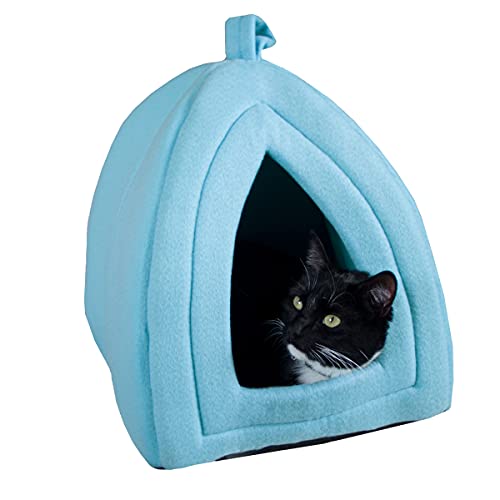
PETMAKER Plush Cat House Hideaway
$14.37 on Amazon
A soft, semi-enclosed den for a cat who wants to tuck away
Why Hiding So Often Means Illness or Pain
Cats are masters at concealing weakness. They will keep eating, grooming, and going about their routine long after a person in the same condition would be in bed. So when a cat changes behavior enough to start hiding, the discomfort or unease driving it is usually significant. Here are the causes that should be on your radar.
Pain From Arthritis or Dental Disease
Arthritis is extremely common in older cats and often goes unnoticed because cats rarely limp dramatically. Instead they slow down, jump less, and retreat to quiet spots where they will not be disturbed or asked to move. Dental disease causes constant, gnawing pain that can make a cat want to be left alone. A cat hiding to avoid handling or activity may well be sore.
Systemic Illness
Many of the diseases common in senior cats make them feel generally unwell, and feeling unwell drives hiding. Chronic kidney disease brings nausea and malaise. Hyperthyroidism can leave cats agitated and out of sorts. Infections, cancer, anemia, and a range of other conditions all sap a cat's sense of wellbeing. Hiding is the body's way of conserving energy and staying safe while sick.
Sensory Decline
Cats losing their sight or hearing feel less able to detect and respond to the world, which makes open spaces feel risky. Retreating to a small, enclosed area where they can feel the walls around them restores a sense of security.
Haven Pet Insurance for Senior Cats.Coverage for accidents, illness, and the chronic conditions that drive the biggest senior-cat vet bills (kidney disease, hyperthyroidism, diabetes). Get a fast, free quote using your cat’s breed, age, and zip, then see your monthly premium before you commit.Sponsored
Stress and Environmental Change
Senior cats are creatures of deep habit, and change unsettles them. A new pet or family member, a house move, rearranged furniture, visitors, loud renovations, or even a different schedule can all send a sensitive older cat into hiding. The challenge is that stress-related hiding looks exactly like illness-related hiding from the outside, which is precisely why a vet check matters.
When to Call the Vet
Because hiding sits at the crossroads of so many serious conditions, err on the side of caution. Seek veterinary care if your cat:
- Has started hiding noticeably more than their normal baseline.
- Will not come out to eat, drink, or use the litter box.
- Is also eating less, grooming less, or losing weight.
- Shows stiffness, reluctance to jump, or sensitivity to being touched.
- Seems to be hiding to escape discomfort rather than simply resting.
A senior workup including a physical exam, bloodwork, blood pressure, and a pain assessment can identify the cause and get your cat the relief they need.
Helping a Withdrawn Cat Feel Safe
Treat the Underlying Cause
If pain or illness is found, addressing it is the heart of the solution. Many cats who were hiding from arthritis or dental pain become noticeably more social once they are comfortable again.
Offer Safe, Comfortable Retreats
Rather than fighting your cat's need to retreat, give them better places to do it. A covered cave bed or a soft hideaway in a quiet room provides the enclosed security cats crave. A heated orthopedic bed adds gentle warmth that soothes stiff joints and makes resting more inviting.
Keep Resources Close
A hiding cat should not have to travel far for the basics. Place food, water, and a low-entry litter box near their chosen spot so they can stay nourished and clean without venturing into spaces that feel exposed.
Reduce Stress and Be Patient
A pheromone diffuser provides steady reassurance, and a calm, predictable routine helps a sensitive cat relax. Resist the urge to drag your cat out for attention. Instead, let them come to you, sit nearby and speak softly, and reward any voluntary appearances with gentle affection or a favorite treat.
Senior Cat Wellness & Care Planner
Track your aging cat's health, meds, vet visits, mobility, nutrition, and quality of life — all in one printable planner.
Trust the Change in Behavior
A cat who suddenly wants to disappear is telling you something important in the only language they have. The kindest response is to take it seriously: rule out pain and illness with your veterinarian, then make your home a place where your cat feels safe enough to come back out. With the right diagnosis, comfortable retreats, and a little patience, most hiding cats can be coaxed back into the open and the life they share with you.
Related Guides
- Changes in Senior Cat Behavior - How to tell normal aging from a reason to worry.
- Senior Cat Anxiety - Calming approaches for a stressed, withdrawn cat.
- Best Calming Products for Senior Cats - Diffusers, treats, and cozy beds that ease anxiety.
Frequently Asked Questions
Why is my old cat suddenly hiding more than usual?
Increased hiding in a senior cat is one of the most reliable signs that something is wrong, because cats instinctively withdraw when they feel sick, painful, or vulnerable. Common causes include arthritis, dental disease, kidney disease, hyperthyroidism, and other illness, as well as stress from changes at home and declining vision or hearing. A cat who starts hiding noticeably more should be examined by a vet.
Is hiding a sign that my cat is sick or in pain?
Very often, yes. Hiding is a core feline survival instinct: a cat who feels unwell or sore retreats somewhere quiet and defensible. Because cats hide pain so effectively in other ways, a new tendency to tuck away under beds or in closets may be one of the few clues you get. If hiding comes with reduced appetite, less grooming, or reluctance to jump, treat it as a medical sign and call your vet.
How long is too long for a cat to hide?
An occasional retreat is normal, but a senior cat who hides for most of the day, stops coming out for meals, or abandons favorite spots and people needs prompt veterinary attention. If your cat will not emerge to eat, drink, or use the litter box, or seems to be hiding to escape pain, do not wait. Sudden, intense hiding paired with not eating is an urgent reason to be seen.
Should I pull my cat out of their hiding spot?
Avoid forcing them out, which adds stress and can erode trust. Instead, quietly check on them, make sure they are eating, drinking, and toileting, and watch for signs of illness or pain. Offer food, water, and a warm bed near their chosen spot. If hiding is new, prolonged, or paired with other symptoms, arrange a vet visit rather than repeatedly disturbing your cat.
Can stress cause my senior cat to hide more?
Yes. Older cats are sensitive to change, and a move, new pet or person, rearranged furniture, construction noise, or a shift in routine can all drive a cat into hiding. Sensory decline makes the world feel less predictable and adds to the urge to retreat. That said, stress and illness can look identical from the outside, so a vet should rule out medical causes before you assume hiding is purely emotional.
How can I help my hiding cat feel safe again?
First have your vet rule out illness and pain. Then provide cozy, low-stress retreats your cat chooses willingly, such as a covered cave bed or a warm spot in a quiet room. Keep food, water, and a low-entry litter box nearby so they do not have to venture far. A pheromone diffuser, consistent routine, and gentle, patient interaction help a withdrawn cat rebuild confidence over time.
Need more help with your aging cat?
Browse our guides by topic to find practical solutions.
Wellness Planner — $39