Dehydration in Senior Cats: Signs and Prevention
Dehydration in senior cats: how to spot the signs, why older cats are at risk, when it is an emergency, and practical ways to keep an aging cat hydrated.
Dehydration is one of the quietest threats to an aging cat. Cats are built to run slightly dry thanks to a weak thirst drive, and the diseases of old age, kidney disease above all, tip many seniors into chronic fluid loss. Because cats hide discomfort and compensate until they are quite unwell, dehydration often goes unnoticed until it is straining the kidneys and worsening other illness.
Knowing how to spot the signs, understanding why older cats are so vulnerable, and building hydration into daily care can make a real difference to a senior cat's comfort and health. This guide covers the warning signs, the simple home checks, when to treat it as an emergency, and the practical steps that keep an aging cat well-hydrated.
How to Recognize Dehydration
Dehydration shows up in subtle ways before it becomes obvious. Watch for lethargy, dull or sunken eyes, dry or tacky gums, reduced appetite, and constipation or strong-smelling, concentrated urine. The classic home test is the skin tent: gently lift the loose skin between the shoulder blades and let go. In a well-hydrated cat it snaps back at once; in a dehydrated cat it stays raised for a moment. This test is less reliable in thin, older cats whose skin is naturally less elastic, so treat it as one clue among several.
Quick Home Checks
| Check | Hydrated | Dehydrated |
|---|---|---|
| Skin tent (scruff) | Snaps back fast | Stays tented |
| Gums | Moist and slick | Dry or sticky |
| Eyes | Bright, full | Dull or sunken |
| Energy | Normal | Lethargic, withdrawn |
These checks flag a problem but do not confirm one. If several point to dehydration, or your cat also seems unwell, call your veterinarian, who can confirm it with an exam and bloodwork.
Why Older Cats Are at Risk
Senior cats face a stack of dehydrating pressures. The biggest is kidney disease, which is extremely common in older cats and causes the body to flush out water as dilute urine faster than the cat drinks it back. Hyperthyroidism and diabetes also increase fluid loss. On top of these diseases sit everyday obstacles: a fading sense of smell that makes water less noticeable, dental pain that makes drinking unpleasant, and arthritis that makes getting to the bowl an effort. Together they push many seniors into a state of constant mild dehydration.
Haven Pet Insurance for Senior Cats.Coverage for accidents, illness, and the chronic conditions that drive the biggest senior-cat vet bills (kidney disease, hyperthyroidism, diabetes). Get a fast, free quote using your cat’s breed, age, and zip, then see your monthly premium before you commit.Sponsored
Building Hydration Into Daily Care
- Feed wet food: At roughly 75 to 80 percent water, canned food is the single best way to raise intake.
- Add water to meals: Stir a spoonful or two of warm water or low-sodium broth into food.
- Offer a fountain: Many cats drink more from moving, filtered water than a still bowl.
- Spread out bowls: Place fresh, wide bowls in quiet, easy-to-reach spots.
- Use hydration boosters: Nutrient-enriched water and lickable supplements add fluid for poor drinkers.
Hydration Support for Senior Cats
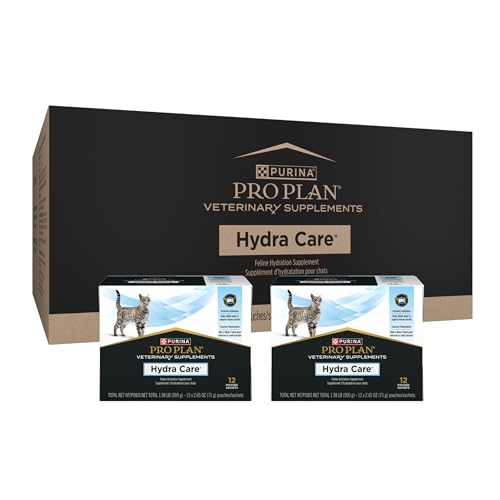
Pro Plan Purina Pro Plan Hydra Care
$20.99 on Amazon
Nutrient-enriched water supplement that boosts daily fluid intake
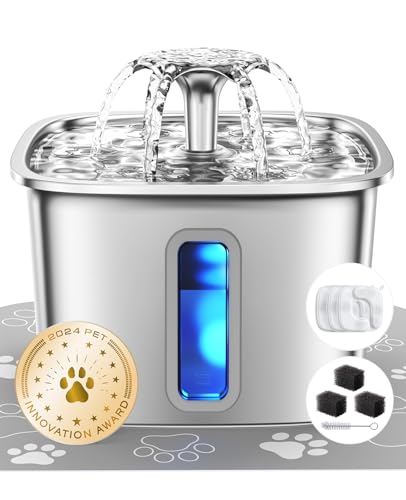
Veken Veken Stainless Steel Water Fountain
$25.49 on Amazon
Circulating filtered water that encourages reluctant drinkers

KARNLEA KARNLEA Hydration for Cats
$19.99 on Amazon
Water-soluble electrolyte mix to support fluid balance

Fancy Feast Fancy Feast Senior 7+ Chicken Pate
$23.04 on Amazon
High-moisture wet food that hydrates through every meal
When It Becomes an Emergency
Mild chronic dehydration is a slow burden, but significant dehydration is urgent. Seek prompt veterinary care if your cat is markedly lethargic, has very dry gums, will not eat or drink, is vomiting, or shows skin that stays clearly tented. Dehydration thickens the blood and strains the kidneys, and in an already ill senior it can spiral quickly. Do not try to manage obvious dehydration with bowls and broth alone; an unwell, dehydrated older cat needs fluids and treatment of the underlying cause from a vet.
Subcutaneous Fluids at Home
For cats with chronic kidney disease, many vets teach owners to give subcutaneous fluids at home, injecting a measured amount of sterile fluid under the skin where it absorbs over a few hours. It sounds daunting but is well tolerated by most cats and can dramatically improve quality of life by keeping a kidney cat hydrated between drinks. The key is that your veterinarian sets the fluid type, volume, and schedule and trains you on the technique. Never begin fluid therapy on your own, since the details must match your cat's condition.
Hydration Quick Links
- Purina Pro Plan Hydra Care - nutrient-enriched water supplement
- Veken Stainless Steel Water Fountain - moving water for reluctant drinkers
- Browse cat hydration supplements on Amazon
The Bottom Line
Dehydration is common in senior cats and dangerous precisely because it is easy to miss. Learn the signs, lethargy, sunken eyes, tacky gums, and skin that stays tented, and use the simple home checks as early flags. Prevent it by building moisture into daily care with wet food, added water, a fountain, and hydration boosters, and by keeping underlying diseases well managed. Treat obvious dehydration as a veterinary matter, and for kidney cats, ask whether at-home subcutaneous fluids could help keep your companion comfortable.
Related Guides
- Old Cat Not Drinking Water - Why poor drinking happens and how to fix it.
- Best Food for Cats With Kidney Disease - The top driver of senior dehydration.
- Best Water Fountains for Cats - Encouraging more drinking every day.
Senior Cat Wellness & Care Planner
Track your aging cat's health, meds, vet visits, mobility, nutrition, and quality of life — all in one printable planner.
Frequently Asked Questions
What are the signs of dehydration in a senior cat?
Common signs include lethargy, sunken or dull eyes, dry or tacky gums, loss of appetite, and reduced skin elasticity. You can check the skin by gently lifting the scruff: in a hydrated cat it springs back quickly, while in a dehydrated cat it stays tented for a moment. Concentrated, strong-smelling urine and constipation can also point to dehydration. Because these signs overlap with serious illness, and because cats hide discomfort, noticeable dehydration in an older cat is a reason to contact your veterinarian rather than wait.
How do I check if my cat is dehydrated?
Two quick home checks help. First, gently lift the skin between the shoulder blades and release it; if it snaps back fast, hydration is likely fine, but if it stays tented it suggests dehydration. Second, touch the gums: healthy gums are moist and slick, while dry or sticky gums signal fluid loss. Neither test is definitive, especially in thin older cats whose skin is less elastic anyway, so treat them as warning flags. If you suspect dehydration, your vet can confirm it with an exam and bloodwork.
Why are senior cats prone to dehydration?
Cats have a weak thirst drive to begin with, and several senior factors make it worse. Kidney disease, very common in older cats, causes the body to lose water through dilute urine faster than the cat replaces it. Hyperthyroidism and diabetes also drive fluid loss. Add a fading sense of smell, dental pain, and arthritis that makes reaching the bowl uncomfortable, and many seniors live chronically under-hydrated. This is why hydration support is a cornerstone of caring for an aging cat, not an afterthought.
Can dehydration in cats be dangerous?
Yes. Dehydration strains the kidneys, thickens the blood, and worsens conditions like kidney disease, creating a damaging cycle where illness causes fluid loss and fluid loss worsens the illness. Severe dehydration is a medical emergency that can lead to organ damage. Even mild chronic dehydration quietly burdens aging kidneys over time. Because cats compensate and hide symptoms until they are quite unwell, dehydration in a senior cat should always be taken seriously and addressed with your veterinarian rather than managed by guesswork at home.
How do vets treat a dehydrated cat?
For mild cases, the vet may give fluids under the skin, called subcutaneous fluids, sometimes teaching owners to do this at home for cats with chronic kidney disease. More significant dehydration may need intravenous fluids in the clinic, along with treating the underlying cause, whether that is kidney disease, an infection, or a metabolic condition. The aim is both to rehydrate the cat and to fix the reason it became dehydrated. Home hydration measures support this care but do not replace veterinary treatment when a cat is genuinely dehydrated.
How can I prevent dehydration in my older cat?
Build moisture into daily life. Feed wet food, which is roughly 75 to 80 percent water, instead of or alongside kibble, and add a spoonful of water or low-sodium broth to meals. Provide a water fountain and several fresh, whisker-friendly bowls, since many cats prefer moving water and easy access. Hydration supplements and lickable boosters can add fluid for poor drinkers. And manage underlying disease: keeping kidney disease or hyperthyroidism well controlled is one of the best ways to prevent the fluid loss that drives senior dehydration.
Is subcutaneous fluid therapy at home safe for my cat?
For many cats with chronic kidney disease, yes, and it is a common, well-tolerated part of home care once a vet trains you. Subcutaneous fluids involve injecting a measured amount of sterile fluid under the skin, where it absorbs over a few hours, helping a cat that cannot stay hydrated on its own. Your vet sets the amount and frequency and shows you the technique. Never start fluid therapy without veterinary direction, since the type, volume, and schedule must match your cat's specific condition.
Need more help with your aging cat?
Browse our guides by topic to find practical solutions.
Wellness Planner — $39