Best Water Fountains for Cats (2026 Picks)
The best cat water fountains in 2026 for hydration and kidney health in senior cats. Ceramic, stainless steel, and quiet picks compared, plus placement and cleaning tips.
Getting an older cat to drink more water is one of the most useful things you can do for their long-term health, and a fountain is often the easiest way to do it. Cats descend from desert animals with a famously weak thirst drive, and many simply do not visit a still bowl often enough. Because senior cats are so prone to kidney and urinary problems, that small hydration gap matters more with every passing year.
Below are our research-based fountain picks, chosen from materials, noise level, capacity, ease of cleaning, and verified owner reviews. We lean toward ceramic and stainless steel for older cats because they stay cleaner and are gentler on sensitive chins than plastic.
Best Water Fountains for Cats
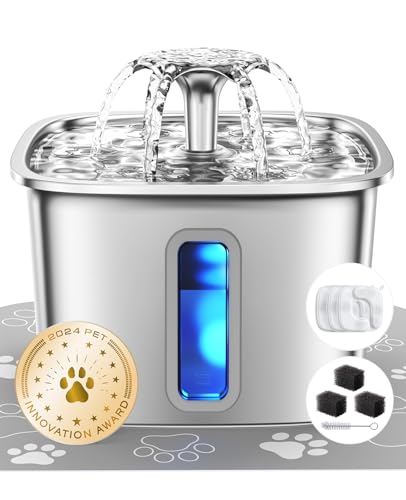
Veken Veken Stainless Steel Fountain 108oz
$25.49 on Amazon
Large-capacity stainless fountain that stays clean and quiet

PETLIBRO PETLIBRO Dockstream Wireless
$39.99 on Amazon
Cordless pump and stainless tray for safe, flexible placement

Catit Catit Flower Fountain 3L
$27.99 on Amazon
Adjustable flow with multiple drinking styles cats enjoy

MISFANS MISFANS Ceramic Fountain 71oz
$47.49 on Amazon
All-ceramic body and copper spout, resists biofilm and chin acne

Wonder Creature Wonder Creature Ceramic Fountain
$35.99 on Amazon
Quiet ceramic fountain that is easy to take apart and clean

$18.69 on Amazon
Affordable starter fountain to test whether your cat takes to one
How We Chose These Fountains
We did not run a hydration trial in a lab. We compared each fountain on the factors that decide whether a cat uses it and an owner keeps it running: material quality, how quiet the pump is, water capacity, and how easy the unit is to take apart and clean. We read patterns across verified owner reviews to spot recurring complaints like noisy pumps or hard-to-reach crevices, and we favored ceramic and stainless steel for senior cats prone to chin acne and biofilm sensitivity.
Why Fountains Help Senior Cats Specifically
Cats are wired to seek out fresh, moving water and to be wary of stagnant sources, a survival instinct from their wild ancestors. A bowl that has sat all day reads as old and unappealing to that instinct, while a fountain's circulating, aerated, slightly cooler water signals freshness. For an older cat, this is more than a preference. Senior cats are the population most affected by chronic kidney disease, in which the kidneys lose the ability to hold onto water. Anything that increases daily intake, even modestly, lightens the load on those aging kidneys and supports a healthier urinary tract.
Hydration also works hand in hand with diet. Feeding wet food covers much of a cat's water needs, and a fountain tops up the rest. The two together are the backbone of hydration for an older cat. See our guide to the best wet food for older cats for the dietary side.
Material: Why It Matters More for Seniors
Stainless Steel
Durable, non-porous, and usually dishwasher safe, stainless steel resists the scratches that trap bacteria. It is an excellent all-around choice and tends to stay cleaner with less effort, which matters for an older cat sensitive to off smells.
Ceramic
Heavy and stable, ceramic resists biofilm and looks attractive in a home. Its weight keeps a fountain from sliding when a cat leans in. The main trade-offs are cost and the risk of chips if dropped during cleaning.
Plastic
Plastic fountains are inexpensive and lightweight, but they scratch over time, and the resulting micro-grooves harbor bacteria. Some cats develop feline chin acne from plastic. If you choose plastic, commit to thorough, frequent cleaning, or use it as an affordable way to test whether your cat likes a fountain at all before upgrading.
Noise, Flow, and Capacity
Older cats can be sound-sensitive, and a loud pump will keep a cautious senior away. Look for fountains described as quiet, and remember that most pump noise comes from a low water level or a dirty pump, both easily fixed. Adjustable flow is a nice feature, letting you start gentle for a nervous cat. Larger reservoirs mean fewer refills, which is convenient, but only if you still clean the unit on schedule. A big dirty fountain is worse than a small clean one.
Cleaning: The Step That Makes or Breaks a Fountain
A fountain only helps if your cat keeps drinking from it, and cats are quick to abandon a slimy or smelly unit. Plan to rinse and refill every two to three days, fully disassemble and scrub weekly, and replace carbon filters on the manufacturer's schedule, typically every two to four weeks. Pay special attention to the pump, where biofilm collects and causes noise. Stainless and ceramic models make this easier, which is part of why we recommend them for seniors.
Fountain Quick Links
- Veken Stainless Steel Cat Water Fountain - large capacity, easy to keep clean
- MISFANS Ceramic Cat Water Fountain - biofilm-resistant ceramic body
- Browse all cat water fountains on Amazon
Helping a Reluctant Cat Adjust
Some cats take to a fountain instantly, while others need coaxing. Introduce it gradually and leave the familiar water bowl in place so your cat is never without a drink. Place the fountain in a quiet spot away from the litter box, and for arthritic seniors choose a location that needs no jumping or stairs. If your cat ignores it at first, try a lower flow setting and give them a week or two. Offering water in several places around the home raises the odds that a hesitant older cat finds a source they like.
The Bottom Line
A water fountain is an inexpensive, low-effort way to support hydration in a senior cat, and hydration is central to protecting aging kidneys and the urinary tract. Choose stainless steel or ceramic for easier cleaning and chin health, prioritize a quiet pump, and commit to a regular cleaning routine. Pair the fountain with wet food, keep a backup bowl available, and you give your older cat every reasonable chance to drink enough.
Related Guides
- Best Wet Food for Older Cats - The other half of senior hydration.
- Best Food for Senior Cats with Kidney Disease - Why hydration is critical for CKD.
- How Much to Feed a Senior Cat - Portions and meal planning for older cats.
Senior Cat Wellness & Care Planner
Track your aging cat's health, meds, vet visits, mobility, nutrition, and quality of life — all in one printable planner.
Frequently Asked Questions
Do cats actually drink more from a fountain?
Many do. Cats are drawn to moving water, an instinct that steers them toward fresh running sources over still bowls in the wild. A fountain's circulating, aerated, often cooler water appeals to that preference and tempts a lot of cats to drink more. It is not guaranteed for every cat, but for an older cat at risk of dehydration, a fountain is a low-cost thing worth trying.
Why does hydration matter so much for senior cats?
Cats have a naturally weak thirst drive and are prone to mild chronic dehydration, which strains aging kidneys and the urinary tract. Senior cats are especially vulnerable to chronic kidney disease, where the kidneys lose the ability to conserve water. Better hydration eases that burden, supports urinary health, and helps cats feel better, which is why vets push water intake hard in older cats.
Is a ceramic or stainless steel fountain better than plastic?
Ceramic and stainless steel are generally better choices for senior cats. They resist the scratches and biofilm that build up in plastic, are easier to keep truly clean, and some cats develop chin acne from plastic bowls. Stainless steel is durable and dishwasher friendly, while ceramic is heavy, stable, and attractive. Plastic fountains work but demand more diligent cleaning.
How often should I clean a cat water fountain?
Wipe and refill it every two to three days, do a full disassembly and scrub at least once a week, and replace the carbon filter on the schedule the maker recommends, usually every two to four weeks. Pumps need periodic cleaning too, since slime buildup makes them noisy and can put a cat off drinking. A dirty fountain defeats its own purpose.
My fountain is noisy. Will that scare my senior cat?
It can. A gurgling or grinding pump often means the water is too low or the pump needs cleaning, both easy fixes. Keep the reservoir full so the pump stays submerged, and clean it on schedule. Older cats can be sound-sensitive, so a quiet, smoothly running fountain placed away from startling noises is far more inviting than a rattly one.
Where should I place a water fountain for an older cat?
Put it somewhere quiet and easy to reach, away from the litter box and ideally separate from the food bowl, since some cats instinctively avoid drinking right next to food. For arthritic seniors, choose a spot with no jumping or stairs required. Offering water in more than one location, including a plain bowl, gives a cautious older cat options.
Should I keep a regular water bowl too?
Yes. Not every cat takes to a fountain immediately, and some prefer still water. Keep at least one clean bowl available alongside the fountain so your cat is never short of options while adjusting. Offering multiple water stations around the home is one of the simplest ways to nudge a senior cat toward drinking more overall.
Need more help with your aging cat?
Browse our guides by topic to find practical solutions.
Wellness Planner — $39