Bone Broth for Senior Cats: Hydration Help
How bone broth helps senior cats stay hydrated and eat, what is safe versus toxic, the kidney and phosphorus caveats, and how much to offer an older cat.
Bone broth has become a popular extra in many senior cats' bowls, and for good reason. A plain, cat-safe broth is mostly water with a savory, meaty smell, which makes it a simple way to do two things older cats often need: drink more and eat more. For a cat with a weak thirst drive or a fading appetite, that small addition can make a real difference.
This guide covers what bone broth can and cannot do for an aging cat, how to choose or make a safe one, the important kidney and phosphorus caveats, and how much to offer. Treat it as a helpful supplement, not a cure, and loop in your vet for any cat with a chronic condition.
Cat-Safe Bone Broth for Seniors
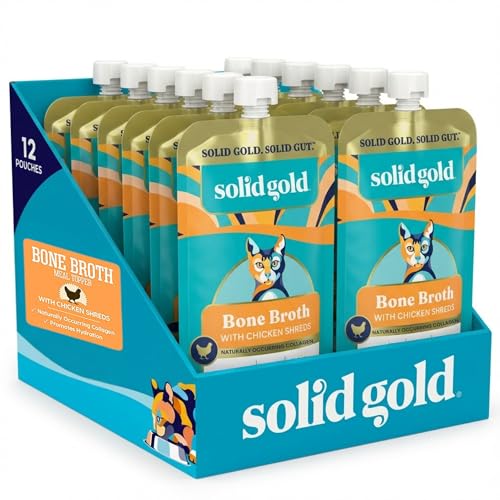
Solid Gold Solid Gold Bone Broth Chicken Topper
$21.97 on Amazon
Lickable chicken broth with collagen for hydration and gut support

Instinct Instinct Bone Broth Cage-Free Chicken
$6.99 on Amazon
Human-grade pour-over broth to boost moisture at meals

Caru Caru Daily Dish Beef Bone Broth
$5.01 on Amazon
Human-grade pour-over broth for wet or dry food

Solid Gold Solid Gold Bone Broth Salmon Topper
$21.97 on Amazon
Salmon broth pouches with collagen for picky senior cats
Why Bone Broth Helps Older Cats
The single biggest benefit is hydration. Cats descend from desert animals with a famously weak thirst drive, and senior cats are especially prone to mild chronic dehydration that strains aging kidneys and the urinary tract. Bone broth is mostly water, so spooning it over food or offering it alongside meals sneaks fluid into a cat that would never drink that much from a bowl. The second benefit is appetite. The warm, meaty aroma of broth is enticing to a senior whose sense of smell has dulled, and it can coax a reluctant eater back to the bowl or moisten food that is otherwise unappealing.
What Bone Broth Is Not
It helps to be clear-eyed about the limits. Bone broth is not a complete and balanced diet; it carries only modest protein and minerals and cannot replace meals. It is not a substitute for fresh water, which must always be available. And despite popular marketing, the collagen and glycine in broth are unlikely to deliver meaningful joint relief in the small amounts a cat consumes, so do not rely on it to treat arthritis. Frame broth as a hydration and palatability booster, and handle real medical issues with your vet.
The Kidney and Phosphorus Caveat
For cats with chronic kidney disease, broth is a double-edged option. The added moisture genuinely helps, since CKD cats benefit from every bit of extra fluid. But phosphorus and sodium matter enormously for these cats, and broths vary widely. A salty broth or one high in phosphorus can work against a renal diet. Choose a low-sodium, cat-formulated product and check with your vet before adding it, particularly if your cat is on a prescription kidney food. Done right, it is a gentle way to hydrate a CKD cat; done carelessly, it undermines careful management.
Haven Pet Insurance for Senior Cats.Coverage for accidents, illness, and the chronic conditions that drive the biggest senior-cat vet bills (kidney disease, hyperthyroidism, diabetes). Get a fast, free quote using your cat’s breed, age, and zip, then see your monthly premium before you commit.Sponsored
What Makes a Broth Safe
The most important rule is no onion or garlic, which are toxic to cats, and that rules out most human bone broths and stock cubes, which also tend to be very high in sodium. A safe broth is plain: meat and bones simmered in water with no seasoning, salt, onion, garlic, leeks, or chives. Commercial cat bone broths are formulated specifically to be safe and palatable, which makes them the easiest choice for most owners. If you buy a product, it should say it is made for cats and list simple ingredients.
Making It at Home
If you prefer homemade, simmer plain meat and bones, such as chicken, in water for many hours with absolutely no seasoning, then strain out every bone and skim the fat before cooling. Never give a cat cooked bones, which can splinter and cause injury or obstruction. Homemade broth spoils fast, so refrigerate it and use within a few days, or freeze it in ice-cube portions to thaw as needed. Frozen broth licks can even double as a warm-weather hydration treat for a senior.
How to Serve It
- Pour over food: A spoonful over wet or softened dry food adds moisture and aroma.
- Offer on its own: A small dish of warmed broth can tempt a cat that is off its food.
- Use a lick mat: Spread or freeze broth on a mat for slow, soothing hydration.
- Start small: A tablespoon or two at first, then adjust to your cat's tolerance.
Bone Broth Quick Links
- Solid Gold Bone Broth Chicken Topper - lickable, with collagen
- Instinct Bone Broth Cage-Free Chicken - human-grade pour-over
- Browse cat bone broth on Amazon
The Bottom Line
Bone broth is a low-risk, genuinely useful supplement for many senior cats, mainly because it boosts hydration and tempts a fading appetite. Keep it plain and cat-safe with no onion, garlic, or added salt, treat it as an extra rather than a meal or a water replacement, and mind phosphorus and sodium if your cat has kidney disease. Used thoughtfully and with your vet's awareness, a good bone broth is an easy win for an older cat that does not drink enough.
Related Guides
- Best Bone Broth for Cats - Our top product picks compared.
- Old Cat Not Drinking Water - More ways to boost hydration.
- Dehydration in Senior Cats - Spotting and treating fluid loss.
Senior Cat Wellness & Care Planner
Track your aging cat's health, meds, vet visits, mobility, nutrition, and quality of life — all in one printable planner.
Frequently Asked Questions
Is bone broth good for senior cats?
For many older cats, yes, as a supplement rather than a meal. A plain, cat-safe bone broth adds moisture, which helps cats that drink too little and supports aging kidneys, and its savory aroma can tempt a fading appetite. It also carries small amounts of protein, collagen, and minerals. It is not a complete diet and will not cure disease, but as an easy way to boost hydration and palatability for a senior, it is a useful, low-risk addition with vet awareness.
Can bone broth help a cat with kidney disease?
It can support hydration, which is genuinely helpful for cats with chronic kidney disease, since these cats lose the ability to conserve water and benefit from every bit of extra fluid. The catch is phosphorus and sodium: broths vary, and a kidney cat needs both kept low. Choose a low-sodium, cat-formulated broth and ask your vet before adding it, especially if your cat is on a prescription renal diet. Used wisely, it is a gentle way to get more water into a CKD cat.
What kind of bone broth is safe for cats?
Use a plain broth made for pets or a homemade version with no onion, garlic, leeks, chives, added salt, or seasoning, since onions and garlic are toxic to cats. Commercial cat bone broths are formulated to be safe and palatable, which makes them the easiest choice. Avoid human bone broths and stock cubes, which are usually loaded with sodium, onion, and garlic. When in doubt, read the full ingredient list and pick a product made specifically for cats.
How much bone broth can I give my senior cat?
Start small, a tablespoon or two added to food or offered on its own, and see how your cat tolerates it before offering more. As a topper or hydration booster it is meant to complement meals, not replace them, so keep it modest, especially for cats watching their weight or managing kidney disease. A little goes a long way for hydration and flavor. If your cat has any chronic condition, confirm an appropriate amount with your veterinarian.
Can I make bone broth for my cat at home?
Yes, with care. Simmer plain meat and bones, such as chicken, in water for many hours with absolutely no onion, garlic, salt, or seasoning, then strain out all bones and fat before cooling. Never let your cat have cooked bones, which can splinter. Homemade broth lets you control ingredients, but it spoils quickly, so refrigerate and use within a few days or freeze in small portions. For convenience and consistent safety, many owners prefer a ready-made cat broth.
Will bone broth help my senior cat's joints?
Bone broth contains collagen and amino acids like glycine, and it is often marketed for joint support, but the evidence that the small amounts in broth meaningfully help arthritis is weak. Think of any joint benefit as a possible bonus, not a treatment. For a senior cat with real joint pain, proven approaches like veterinary pain management, weight control, and specific joint supplements matter far more. Offer broth for hydration and appetite, and address arthritis with your vet directly.
Can bone broth replace water or wet food?
No. Bone broth is a supplement that encourages drinking and adds moisture, but it is not a substitute for fresh water, which should always be available, or for a complete, balanced diet. Use it to enhance hydration on top of wet food and a clean water source, not in place of them. Pouring broth over food or freezing it into licks are good ways to add fluid, but the foundation stays the same: balanced meals and constant access to clean water.
Need more help with your aging cat?
Browse our guides by topic to find practical solutions.
Wellness Planner — $39