Best Wet Food for Older Cats (2026 Picks)
The best wet food for older cats in 2026, compared on texture, protein, and moisture. Senior-friendly pates and pouches for hydration, dental ease, and picky eaters.
If there is one change that helps the largest number of older cats, it is adding wet food to the diet. Cats are obligate carnivores that evolved to get most of their water from prey, so they drink poorly on their own. As kidneys age and teeth wear down, the high moisture and soft texture of canned food become genuinely therapeutic rather than just a treat.
Below are our research-based wet food picks for senior cats, chosen from ingredient panels, calorie content, texture, and verified owner reviews. We favored named animal proteins, smooth or minced textures that aging mouths handle well, and formulas with a strong track record of palatability.
Best Wet Foods for Older Cats

Fancy Feast Fancy Feast Senior 7+ Chicken Pate
$23.04 on Amazon
Smooth, affordable pate made for cats seven and older
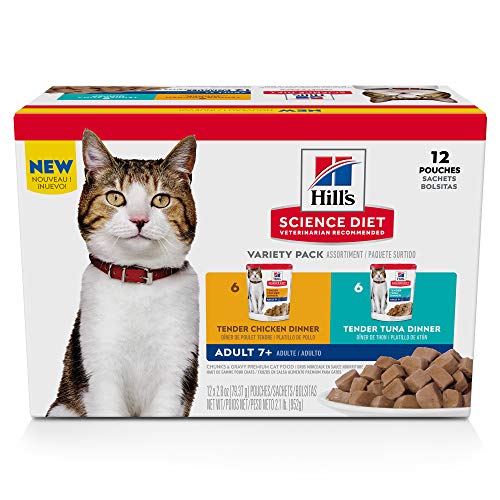
Hill's Science Diet Science Diet Adult 7+ Wet Variety
$23.76 on Amazon
Vet-trusted senior pouches in chicken and tuna

Tiki Cat Tiki Cat Silver Senior Variety
$21.55 on Amazon
High-protein recipes formulated specifically for senior cats

Weruva Weruva Cats in the Kitchen Variety
$21.99 on Amazon
Whole-meat recipes in lots of broth for extra moisture

Sheba Sheba Perfect Portions Pate
$23.38 on Amazon
Twin-pack trays that keep every serving fresh for grazers

Wellness Wellness Complete Health Chicken Pate
$43.68 on Amazon
Grain-free, protein-rich pate with no artificial additives
How We Chose These Foods
We did not conduct a hands-on feeding trial. We assessed each food by reading its full ingredient list, confirming an AAFCO complete and balanced statement, checking calorie density, and reviewing texture and palatability patterns across verified owner reviews. We prioritized named animal proteins, soft textures suited to aging mouths, and brands with consistent quality. The result is a mix of accessible everyday options and premium recipes so there is a fit for most budgets.
The Hydration Case for Wet Food
Dry food contains around 10 percent moisture, while canned food contains roughly 75 to 80 percent. Because cats have a low thirst drive and do not compensate well by drinking from a bowl, a kibble-only cat tends to live slightly dehydrated all the time. That chronic water deficit is hard on kidneys that are already aging and on a urinary tract prone to crystals and inflammation. Feeding wet food is the most reliable way to raise an older cat's water intake without a fight, because the water comes packaged inside food they want to eat.
Easier on Worn Teeth and Sore Gums
Dental disease affects a large majority of cats over the age of ten, and it often goes unnoticed because cats hide pain. A senior cat with resorptive lesions, gingivitis, or missing teeth may find crunching kibble genuinely uncomfortable. Soft wet food, especially smooth pate, requires almost no chewing and lets a cat with a painful mouth eat enough to maintain weight. If your older cat has started dropping food, eating slowly, or pawing at their mouth, switching to wet food while you arrange a dental exam can keep calories going in.
Texture Options for Senior Cats
Pate
Smooth and uniform, pate needs no chewing and is the easiest texture for cats with dental disease or few teeth. It also mashes easily with a little warm water to make a softer, more aromatic meal.
Minced and Mousse
Minced textures sit between pate and chunks, with small soft pieces that most seniors handle well. Mousse is whipped and very soft, a good option for the oldest cats or those recovering from dental work.
Chunks or Shreds in Gravy
These add variety and lots of moisture, and many cats love the gravy. The trade-off is that the chunks require more chewing, so watch whether your cat eats the solid pieces or only laps the gravy and walks away.
Reading a Wet Food Label
- Named protein first: Look for chicken, turkey, salmon, or tuna at the top, not vague meat by-products.
- AAFCO complete and balanced: This confirms the food can serve as a full diet, not just a topper.
- Taurine listed: This essential amino acid is critical for feline heart and eye health and should appear in any complete cat food.
- Sensible calories: Check the kcal per can so you can match portions to your cat's needs.
- Few artificial additives: Avoid artificial colors and dyes, which add nothing for your cat.
Wet Food Quick Links
- Fancy Feast Senior 7+ Chicken Pate (24-pack) - an easy, affordable everyday pate
- Tiki Cat Silver Senior Variety - high-protein recipes made for seniors
- Browse all senior wet cat food on Amazon
Serving Tips That Make a Difference
Warm refrigerated wet food for five to ten seconds and stir it to release aroma, since smell is what drives an older cat's appetite. Offer small portions several times a day rather than one large serving, which suits a senior cat's grazing habits and limits waste. Use a shallow, wide ceramic or stainless dish so sensitive whiskers do not rub the sides. Wash bowls after each meal, because wet food residue spoils quickly and can turn a cat off the next serving.
Transitioning to Wet Food
If your cat has eaten only kibble for years, do not switch overnight. Cats can refuse unfamiliar textures, and a senior who stops eating for even a day or two risks a dangerous liver condition. Start by offering a teaspoon of wet food beside the usual kibble, increase it gradually over a week or two, and try a few proteins to find what your cat accepts. Patience wins here more often than persistence.
The Bottom Line
For most older cats, wet food is the single most valuable dietary change you can make. The moisture supports aging kidneys and the urinary tract, and the soft texture spares sore teeth. Whether you feed it as a complete diet or alongside kibble, a quality canned food your cat eats eagerly is worth the slightly higher cost. Start with a smooth pate, keep meals small and warm, and let your cat's appetite tell you what is working.
Related Guides
- Best Cat Food for Senior Cats - Our overall food picks for healthy aging cats.
- Senior Cat Not Eating: Appetite Tips - What to do when even wet food is refused.
- Best Water Fountains for Cats - Boost hydration if your cat resists wet food.
Senior Cat Wellness & Care Planner
Track your aging cat's health, meds, vet visits, mobility, nutrition, and quality of life — all in one printable planner.
Frequently Asked Questions
Why is wet food so often recommended for older cats?
Wet food is roughly 75 to 80 percent water, while dry food is closer to 10 percent. Cats have a naturally weak thirst drive and are prone to mild chronic dehydration, which strains aging kidneys and the urinary tract. Wet food builds water into every meal, and its soft texture is far easier on worn teeth and sore gums than crunchy kibble.
Is pate or chunks-in-gravy better for senior cats?
Pate is usually the gentlest choice because it needs no chewing, which suits cats with dental disease or missing teeth. Chunks in gravy offer variety and extra moisture but ask for more chewing. Many seniors eat the gravy and leave the chunks. If your cat does that, a smooth pate or a minced or mousse texture often works better.
How much wet food should an older cat eat per day?
A typical 10-pound senior cat needs roughly 180 to 220 calories a day, which often works out to about three 3-ounce cans of pate, split into two or three small meals. Always check the calorie content on the specific can, since it varies a lot between brands, and adjust based on your cat's body condition and your veterinarian's input.
Can I leave wet food out all day for my senior cat?
No. Wet food should not sit out more than about two hours, or one hour in a warm room, because it spoils and can grow bacteria. Older cats often prefer to graze, so offer small portions several times a day, refrigerate the open can with a pet-safe lid, and warm the next serving slightly to restore aroma and tempt the appetite.
Should I warm my senior cat's wet food?
Gentle warming helps a lot. A cat's sense of smell fades with age, and aroma is what convinces an older cat that food is worth eating. Warm refrigerated wet food for five to ten seconds in the microwave, stir well to remove hot spots, and test it on your wrist. Aim for body temperature, similar to fresh prey, never hot.
My older cat only likes one flavor. Is that a problem?
It is common but worth managing. Relying on a single flavor leaves you stuck if it is discontinued or your cat suddenly rejects it, which cats sometimes do. Where possible, rotate two or three flavors and proteins your cat accepts so they stay flexible. Sudden, total food refusal in a senior cat is also a reason to check for dental pain or illness.
Is all-wet a complete diet, or do cats still need dry food?
A complete and balanced canned food labeled for adult maintenance can be a cat's sole diet, and many thrive on all-wet. Cats do not need dry food nutritionally. Some owners keep a little dry out for grazing or dental texture, but if your cat eats wet eagerly and holds good body condition, an all-wet diet is a perfectly healthy choice.
Need more help with your aging cat?
Browse our guides by topic to find practical solutions.
Wellness Planner — $39