Best Elevated Bowls for Senior Cats (2026 Picks)
The best elevated cat bowls for senior cats in 2026, raised and tilted to ease arthritis, neck strain, and post-meal vomiting. Ceramic and stainless picks compared.
A raised bowl seems like a small thing, but for an arthritic senior cat it can make every meal more comfortable. Lifting food a few inches off the floor spares an older cat from crouching and craning its neck downward, which eases pressure on stiff joints and the spine. For a cat that has started eating less, slowing down at the bowl, or vomiting after gulping, an elevated and gently tilted dish is a cheap, low-risk adjustment worth trying.
Below are our research-based elevated bowl picks, chosen from height, tilt, bowl shape, material, and verified owner reviews. We favored wide, shallow, tilted dishes in ceramic or stainless steel, since those features address arthritis, whisker comfort, and cleanliness together.
Best Elevated Bowls for Senior Cats
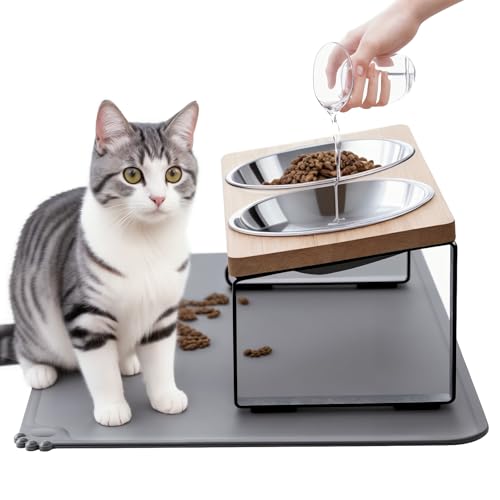
Summark Summark Elevated Tilted Cat Bowls
$16.99 on Amazon
15-degree tilted stainless bowls on a raised stand with a mat

LoeJan LoeJan Elevated Ceramic Cat Bowl
$8.49 on Amazon
Raised, tilted ceramic dish to ease the neck and spine

Y YHY Y YHY Ceramic Elevated Tilted Bowl
$14.13 on Amazon
Tilted ceramic feeder designed to reduce chin contact and strain

HIAIEVIY HIAIEVIY Elevated Cat Bowl Set
$8.49 on Amazon
Raised splash-proof set with whisker-friendly stainless dishes

Kitty City Kitty City Elevated Cat Bowls
$6.13 on Amazon
Whisker-friendly raised dishes on a modern pedestal, dishwasher safe
How We Chose These Bowls
We did not run a posture study in a lab. We compared bowls on the features that matter for an older cat: height and tilt that ease the neck and joints, bowl shape that respects whisker comfort, material that stays clean and gentle on the chin, and overall stability. We read patterns across verified owner reviews to flag recurring issues like tippy stands or bowls that slide, and we favored wide, shallow, tilted dishes in ceramic or stainless steel.
Why Elevation Helps an Aging Cat
Arthritis is common in senior cats and often underdiagnosed, because cats hide pain well. A cat that has to crouch low and bend its neck to reach a floor bowl may quietly find meals uncomfortable, eating less or more slowly as a result. Raising the bowl to a comfortable level lets the cat eat in a more upright, natural posture that takes strain off sore joints, the neck, and the spine. The tilt found on many senior-oriented bowls adds to this by angling food toward the mouth, so the cat reaches less.
The Vomiting Question
Some owners turn to elevated bowls hoping to curb post-meal vomiting or regurgitation. A raised, tilted bowl can encourage a flatter neck and smoother swallowing, which helps certain cats that bring food back up after gulping from the floor. It is worth trying, but keep expectations realistic: it will not fix vomiting caused by illness, eating too fast, or food sensitivity. If your senior vomits often, treat the bowl as one minor tweak and have your vet look into the underlying cause.
Bowl Shape and Whisker Comfort
Height is only half the picture. Whisker fatigue, where deep narrow bowls press on a cat's sensitive whiskers, can make a cat paw at food or drag it onto the floor. The fix is a wide, shallow dish, and the good news is many elevated bowls are designed exactly that way, solving posture and whisker comfort at once. If your cat eats off the floor, leaves food at the bottom of a deep bowl, or seems reluctant at the dish, prioritize a broad, shallow elevated bowl.
Material and Cleaning
Choose ceramic or stainless steel over plastic. Both resist the scratches and biofilm that harbor bacteria, and they avoid the feline chin acne that plastic can trigger. Ceramic is heavy and stable, keeping the bowl from sliding as your cat leans in, while stainless steel is durable and usually dishwasher safe. Whatever you pick, wash the bowls daily, because a senior with a sharp nose will turn away from a dish that smells stale. A raised bowl that is hard to clean defeats its own purpose.
Elevated Bowl Quick Links
- Summark Elevated Tilted Cat Bowls - 15-degree tilt with a mat
- LoeJan Elevated Ceramic Cat Bowl - tilted ceramic for the neck and spine
- Browse all elevated cat bowls on Amazon
The Bottom Line
An elevated, gently tilted bowl is one of the simplest comfort upgrades you can give an arthritic senior cat, easing the neck, joints, and spine at every meal and possibly helping with post-meal regurgitation. Choose a wide, shallow dish in ceramic or stainless steel at a comfortable height, place it somewhere easy to reach with no jumping, and keep it clean daily. Pair it with an elevated water bowl or fountain, and your older cat can eat and drink in greater comfort.
Related Guides
- Best Slow Feeder Bowls for Cats - Slowing a fast eater that vomits.
- Best Water Fountains for Cats - Encouraging an arthritic cat to drink.
- Senior Cat Feeding Schedule - Building a comfortable mealtime routine.
Senior Cat Wellness & Care Planner
Track your aging cat's health, meds, vet visits, mobility, nutrition, and quality of life — all in one printable planner.
Frequently Asked Questions
Why are elevated bowls good for senior cats?
Raising the bowl a few inches means an older cat does not have to crouch and bend its neck down to floor level, which is easier on arthritic joints, the neck, and the spine. Many seniors have some degree of arthritis, so a more natural, upright eating posture can make meals more comfortable and encourage a sore cat to finish its food. Some owners also report less post-meal vomiting, since a slightly raised, sometimes tilted bowl can ease swallowing for certain cats.
How high should an elevated cat bowl be?
For most cats, a height of roughly two to six inches works well, bringing the bowl to a comfortable level without making the cat reach up. The right height depends on your cat's size and how it stands to eat. Many elevated bowls are also slightly tilted toward the cat, which helps food gather where the mouth can reach it and reduces neck strain. If your cat has a specific mobility issue, your vet can suggest an ideal height.
Do elevated bowls help with vomiting or regurgitation?
For some cats, yes. Eating from a raised, gently tilted bowl can encourage a more horizontal neck and smoother swallowing, which may reduce the regurgitation some cats experience after gulping from a floor bowl. It is not a guaranteed fix and will not solve vomiting caused by illness, fast eating, or food sensitivity. If your senior vomits frequently, treat the bowl as one small adjustment and have your vet investigate the cause rather than assuming it is just posture.
Are elevated bowls better than regular bowls for whisker fatigue?
Whisker fatigue relates to bowl shape, not height, so what matters is choosing a wide, shallow dish that does not press on the whiskers. Many elevated bowls are designed wide and shallow, which addresses both issues at once, but a raised bowl that is deep and narrow can still cause whisker discomfort. Look for an elevated set with broad, shallow dishes if your cat seems bothered by deep bowls, paws at food, or pulls food out to eat off the floor.
What material is best for an elevated cat bowl?
Ceramic and stainless steel are the best choices for seniors. Both are easy to keep truly clean, resist the scratches and biofilm that build up in plastic, and avoid the chin acne some cats develop from plastic bowls. Ceramic is heavy and stable, which keeps the bowl from sliding, while stainless steel is durable and usually dishwasher safe. Whatever the material, wash the bowls daily, since an older cat with a keen nose will reject a dish that smells stale.
Will my senior cat adjust to an elevated bowl easily?
Most cats adapt quickly, but introduce it without removing the familiar option all at once. Place the elevated bowl in the usual feeding spot and let your cat try it at its own pace, ideally during a meal it looks forward to. If your cat hesitates, keep the height modest at first. For an arthritic senior, make sure the bowl sits somewhere with no jumping or stairs required to reach it, so comfort improvements are not offset by a hard journey to the food.
Should the water bowl be elevated too?
It often helps. The same posture benefits apply to drinking, and a raised water bowl can make an arthritic senior more willing to hydrate. Many elevated sets include both a food and a water dish. That said, some cats prefer a fountain or multiple water stations, so offer choices and watch what your cat actually uses. Whatever you choose, keep water easy to reach, clean, and separate enough from food and litter that your cat drinks comfortably.
Need more help with your aging cat?
Browse our guides by topic to find practical solutions.
Wellness Planner — $39