Best Deshedding Tools for Cats: Top Picks
The best deshedding tools for senior cats: deshedding blades, grooming gloves, and brushes that remove loose undercoat, reduce hairballs, and prevent mats gently.
When a cat ages and starts grooming itself less, the loose undercoat it used to remove by licking has nowhere to go. It stays in the fur, where it turns the coat greasy, tangles into mats, and ends up swallowed as hairballs. A good deshedding tool does the job your cat no longer can, pulling out that dead undercoat and keeping the coat healthy and comfortable.
Deshedding tools range from blade-style removers that grab deep undercoat to gentle grooming gloves that feel like petting. The right one depends on your cat's coat and temperament, and for a senior cat, gentleness matters as much as effectiveness. Below are our research-based picks across the main types, chosen from product specifications, design features, and verified owner reviews rather than hands-on lab testing. This guide is educational and meant to complement, not replace, your veterinarian's advice.
Best Deshedding Tools for Senior Cats

FURminator Cat Deshedding Tool
$27.10 on Amazon
Blade-style remover that reaches deep to pull out loose undercoat

SleekEZ Patented Deshedding Brush
$17.97 on Amazon
Wavy steel tooth design lifts loose fur with a gentle stroke

Docrok Deshedding Brush and Comb Set
$19.99 on Amazon
Two-piece combo for everyday deshedding and tangle finding

MIU COLOR Self-Cleaning Deshedding Brush
$9.99 on Amazon
Retractable bristles release collected fur at the push of a button

$9.50 on Amazon
Wearable rubber-tipped glove deshedding feels like petting
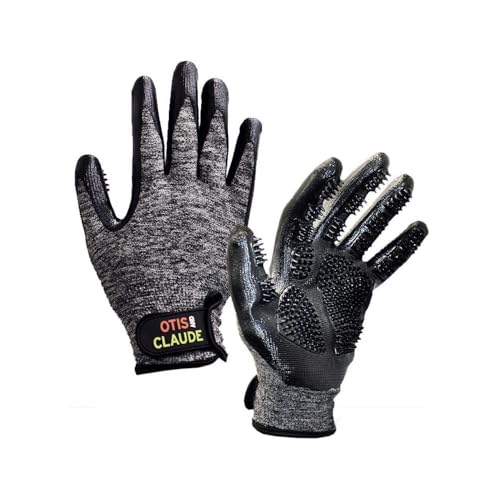
Otis and Claude Deshedding and Bathing Gloves
$16.56 on Amazon
Soft rubber mitts that collect fur during petting or bath time
How We Chose
We focused on tools that remove loose undercoat effectively while staying gentle on the thin, sensitive skin of older cats. We looked at blade and tooth design, ease of cleaning the collected fur, suitability for different coat lengths, and how real cats tolerate each tool according to verified owner reviews. We also flagged that deshedding blades are for loose fur, not mats, so cats with existing tangles need a comb or dematting tool first. Our picks span effective blades, gentle gloves, and easy-clean brushes.
Types of Deshedding Tools
Deshedding Blades
Blade-style tools, the FURminator and similar designs, are the most effective at pulling out deep undercoat. Fine close-set teeth grab the loose dead fur while leaving the topcoat alone. They dramatically reduce shedding and hairballs when used correctly. The key for seniors is a light touch and avoiding bony areas and any matted spots, since the blade is meant for loose fur, not tangles. Used gently a couple of times a week, a deshedding blade is a powerful tool for an older cat.
Deshedding Brushes
Brush-style deshedders, including wavy-tooth designs and self-cleaning models with retractable bristles, sit between a blade and a regular brush in intensity. They are a good everyday option, gentler than a blade but more effective than a basic pin brush at lifting undercoat. Self-cleaning models that release collected fur with a button are especially convenient when you are deshedding a heavy coat.
Grooming Gloves
For the gentlest deshedding, nothing beats a glove. The rubber-tipped palm collects loose fur as you simply pet your cat, which makes it perfect for nervous or sore seniors that will not tolerate a tool coming at them. Gloves are less aggressive than blades, so they suit short coats and light maintenance, and many double as bath mitts. They are the easiest way to deshed a cat that hates being groomed.
Senior Cat Wellness & Care Planner
Track your aging cat's health, meds, vet visits, mobility, nutrition, and quality of life — all in one printable planner.
Comparing the Options
| Tool type | Best for | Gentleness |
|---|---|---|
| Deshedding blade | Heavy shedders, deep undercoat | Use light pressure; not for mats |
| Deshedding brush | Everyday undercoat removal | Moderate; good all-rounder |
| Self-cleaning brush | Easy fur cleanup | Moderate; convenient |
| Grooming glove | Nervous or sore cats | Very gentle; light deshedding |
Using a Deshedding Tool Safely
Deshedding tools are a real help, but only when used kindly on an older cat:
- Check for mats first. Never drag a deshedding blade through tangles; clear them with a comb or dematting tool, or have a groomer help.
- Use light pressure. Let the tool glide; pressing hard irritates thin senior skin.
- Avoid bony areas. Go easy over the spine, hips, legs, and belly.
- Keep sessions short. A few minutes once or twice a week prevents over-grooming and skin irritation.
- Watch the skin. Stop if you see redness, and never use a tool on broken or sore skin.
- Make it pleasant. Pair sessions with treats and praise so your cat associates deshedding with good things.
Done gently and regularly, deshedding keeps an older cat's coat healthier, reduces hairballs and mats, and gives you a calm routine to check on its skin and comfort, taking over one more job your aging cat can no longer fully manage on its own.
Related Guides
- Best Brushes for Senior Cats - Gentle slickers, combs, and gloves for everyday grooming.
- Matted Fur in Senior Cats - How to safely handle tangles a deshedding tool cannot.
- Grooming Tips for Senior Cats - A full gentle-grooming routine for aging cats.
Frequently Asked Questions
Do senior cats need a deshedding tool?
Many do, even more than younger cats. As cats age and groom themselves less because of arthritis, dental pain, or illness, the loose undercoat they once removed by licking stays in the coat, leading to greasy fur, mats, and more hairballs. A deshedding tool pulls out that dead undercoat for them. It is one of the most useful grooming aids for an older cat, helping keep the coat healthy and cutting down on the shed fur the cat would otherwise swallow.
Are deshedding tools safe to use on cats?
Yes, when used gently and correctly. Choose a tool suited to your cat's coat length, use light pressure, and avoid repeatedly going over bony areas like the spine, hips, and belly, where aging skin is thin and easily irritated. Stop if the skin reddens. Deshedding blades like the FURminator style work best on cats that are not matted, since they are designed to remove loose undercoat, not cut through tangles. Never force the tool or use it on broken or sore skin.
What is the difference between a deshedding tool and a regular brush?
A regular brush smooths the coat and removes some surface fur, while a deshedding tool reaches deeper to pull out the loose, dead undercoat that causes most shedding and matting. Deshedding blades have fine teeth that grab undercoat without cutting the topcoat. Grooming gloves and rubber tools are gentler deshedders that double as everyday brushes. For a senior cat that has stopped grooming, a deshedding tool tackles the buildup a regular brush leaves behind.
How often should I deshed my senior cat?
For most cats, a deshedding session once or twice a week is plenty, with regular soft brushing in between. Long-haired cats or heavy shedders may benefit from more frequent sessions, especially during seasonal coat changes. Avoid overdoing it: too-frequent or too-aggressive deshedding can irritate the skin and strip too much coat. Watch how your cat's skin and fur respond and adjust. Brief, gentle, regular sessions beat occasional heavy ones for an older cat.
Can deshedding tools help with hairballs?
Yes, this is one of their biggest benefits. Hairballs form when a cat swallows loose fur while grooming, and that fur then collects in the stomach. By removing the dead undercoat before your cat ingests it, regular deshedding reduces the raw material for hairballs. For an older cat prone to hairballs or with slower gut motility, a consistent deshedding routine can noticeably cut down on the vomiting and discomfort that hairballs cause.
My cat is matted. Will a deshedding tool fix it?
No, deshedding tools are for loose undercoat, not mats. Trying to drag a FURminator-style blade through a mat pulls painfully on the skin and will not clear it. For tangles, use a detangling spray with a wide-toothed steel comb or a dematting tool, working from the edge inward while protecting the skin. Tight mats close to the skin should be handled by a groomer or veterinarian. Once the coat is mat-free, regular deshedding helps prevent new ones from forming.
Need more help with your aging cat?
Browse our guides by topic to find practical solutions.
Wellness Planner — $39