Best Brushes for Senior Cats: Gentle Picks
The best brushes for senior cats: soft slickers, rubber curry brushes, stainless combs, dematting tools, and grooming gloves for thinning coats and sensitive aging skin.
As cats age, they need more help with grooming than they once did, and the right brush makes that help easy and welcome rather than stressful. The wrong tool, on the other hand, can scratch thinning skin, tug at tangles, and teach your cat to dread being touched. For a senior cat, gentleness is everything.
There is no single best brush for every cat. The ideal tool depends on coat length, skin sensitivity, and what your cat will actually tolerate. Most owners of older cats end up with a small kit: something soft for everyday fur removal, a comb for tangles, and perhaps a glove for the cat that hates brushes. Below are our research-based picks across those categories, chosen for gentleness and suitability for aging cats. Our selections draw on product specifications, design features, and verified owner reviews, not hands-on lab testing.
Best Brushes and Combs for Senior Cats

Coastal Soft Slicker Brush for Cats
$8.79 on Amazon
Coated fine pins lift loose fur and smooth the coat without scratching

$13.97 on Amazon
Soft nubs that feel like petting, perfect for brush-averse seniors

TAKAVU Double-Sided Boar Bristle Brush
$14.99 on Amazon
Bristle side spreads oils, pin side lifts fur on short to medium coats
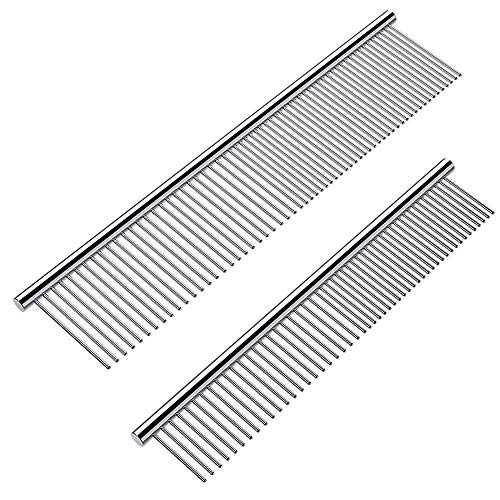
Cafhelp Stainless Steel Grooming Comb
$6.99 on Amazon
Rounded-tip teeth reach mats at the skin on long-haired cats

$9.35 on Amazon
Long steel teeth tease apart tangles before they tighten into mats

$9.50 on Amazon
Wearable rubber-tipped glove collects loose fur during petting
How We Chose
We focused on the qualities that matter most for an aging cat: gentleness on thinning skin, effectiveness at removing the loose fur seniors no longer manage themselves, and ease of use for owners doing the grooming. We weighed coated or rounded tips over sharp wire, lighter pressure designs, and tools that suit specific coat types. We also leaned on verified owner reviews for durability and how real cats respond. No brush here is a one-size-fits-all answer, so we organized the picks by what they do best.
Matching the Brush to Your Cat
Soft Slicker Brushes
A slicker with fine, coated pins is the workhorse of cat grooming. It lifts loose undercoat, smooths the topcoat, and works on most coat types. For seniors, the key is coated or rounded tips and a light touch, since uncoated wire and heavy pressure can scratch or bruise delicate skin. Use it to finish after combing a long-haired cat, or as the main tool for a short-haired one.
Rubber Brushes and Curry Combs
Rubber tools are the gentlest option and a lifesaver for cats that resist brushing. The soft nubs feel like a massage, so even nervous or sore cats often relax into them. They excel at short coats, pulling loose fur with each stroke while stimulating the skin. They are also handy in the bath or with waterless shampoo. The trade-off is that they do little for deep tangles, so pair one with a comb if your cat mats.
Stainless Steel Combs
For any long-haired senior, a steel comb is non-negotiable. It is the only tool that reaches all the way to the skin, where mats actually form. Rounded-tip teeth glide without scratching, and the combination of wider and finer spacing handles both routine combing and finding hidden tangles. Comb in small sections from the skin outward, daily if you can, focusing on the rear and behind the legs.
Dematting Tools
When tangles have already formed, a dematting rake with long, curved teeth slices through them with far less pulling than a regular comb. Hold the fur at the skin to protect it, and work the tangle from the outer edge inward. These tools handle small to moderate mats; large, tight mats pressed against the skin still belong to a groomer or veterinarian.
Grooming Gloves
A grooming glove turns petting into grooming. The rubber-tipped palm collects loose fur as you stroke your cat, which makes it ideal for the cat that flees from any handheld brush. It is gentle, intuitive, and great for short coats and sensitive seniors, though like other rubber tools it is not a mat solution.
Senior Cat Wellness & Care Planner
Track your aging cat's health, meds, vet visits, mobility, nutrition, and quality of life — all in one printable planner.
Brushing an Older Cat the Right Way
Even the best brush only helps if your cat lets you use it. A few habits make grooming a senior cat smooth:
- Keep sessions short. Two to five minutes every day or two beats a long weekly battle.
- Use light pressure. Aging skin is thinner; let the tool do the work.
- Let your cat get comfortable. Groom it lying down if that is easier on stiff joints.
- Start where it likes. Cheeks, chin, and the spine first; belly and rear last.
- Watch for pain. Flinching at a specific spot can signal arthritis or a sore worth mentioning to your vet.
- End on a good note. Finish with a treat or chin scratch so the next session is easier.
With the right tool and a gentle routine, brushing becomes one of the calmest, most connecting parts of caring for an aging cat, keeping its coat healthy while giving you a regular chance to check on its body and comfort.
Related Guides
- Grooming Tips for Senior Cats - A full gentle-grooming routine for older cats.
- Best Deshedding Tools for Cats - Tackle loose undercoat and reduce hairballs.
- Matted Fur in Senior Cats - Prevent and safely remove painful mats.
Frequently Asked Questions
What is the best type of brush for a senior cat?
It depends on the coat, but most senior cats do best with soft, gentle tools. A soft-tipped slicker or a rubber curry brush suits short-haired cats and sensitive skin, while a wide-toothed stainless steel comb is essential for long-haired cats to reach mats at the skin. A grooming glove is ideal for cats that dislike traditional brushes. Many owners keep two or three tools and choose based on the day and the area being groomed.
Are slicker brushes safe for older cats?
Soft-tipped slicker brushes are safe and effective when used gently. Look for fine wire pins with coated or rounded tips, and use light pressure since aging skin is thinner and bruises more easily than a young cat's. Avoid pressing hard or working over bony areas like the spine and hips repeatedly. Stop if the skin reddens. A slicker is great for lifting loose fur and smoothing the topcoat, but a comb does more for deep tangles.
What brush works best for a long-haired senior cat?
A wide-toothed stainless steel comb is the most important tool for a long-haired senior, because only a comb reaches all the way to the skin where mats form. Use it daily, working in small sections from the skin outward, especially over the rear and behind the legs. Follow with a soft slicker to smooth the coat. A dematting tool handles existing tangles. Pins-only brushes glide over the top and miss the knots underneath, so they are not enough on their own.
My cat hates being brushed. Is there a gentler option?
Try a grooming glove or a rubber curry brush. Both feel more like petting than brushing, so cats that fight a slicker often accept them readily. The soft rubber nubs lift loose fur with a massaging motion most cats enjoy. Keep sessions very short, brush in the direction of the fur, start at the cheeks and chin, and reward calm behavior. For a resistant cat, two minutes of accepted gloving beats a struggle with a tool it fears.
How often should I brush my senior cat?
Aim for a short session every one to two days for short-haired cats and daily for long-haired cats, which mat quickly. Brief, frequent grooming is far better tolerated than occasional long sessions and does a better job of preventing tangles. Older cats often need this help because age, arthritis, and dental pain have slowed their own grooming. Consistency keeps the coat healthy and gives you a regular chance to check the skin for lumps and problems.
Can the right brush reduce hairballs in my cat?
Yes. Regular brushing removes the loose, dead fur that a cat would otherwise swallow while grooming itself, which is the raw material for hairballs. Deshedding tools and combs that pull out the undercoat are especially effective. For an older cat already prone to hairballs or with reduced gut motility, a consistent brushing routine that captures shed fur before the cat ingests it can noticeably cut down on hairball frequency and the vomiting that comes with it.
Need more help with your aging cat?
Browse our guides by topic to find practical solutions.
Wellness Planner — $39