Matted Fur in Senior Cats: Safe Removal
Why senior cats develop matted fur, why mats hurt, and how to safely remove and prevent them with detangling sprays, combs, and professional help when needed.
Matted fur is one of the most common grooming problems in older cats, and one of the most misunderstood. A mat is not just a cosmetic tangle. It is a tight knot of dead and living hair that pulls on the skin, traps dirt and moisture, and can cause real pain and even sores underneath. For a long-haired senior cat that has stopped keeping up with its own grooming, mats can spread across the back and hindquarters surprisingly fast.
The encouraging news is that mats are both preventable and, when caught early, manageable at home with the right gentle approach. What you should never do is reach for the scissors. This guide explains why senior cats mat, how to remove tangles safely, and when the job belongs to a professional. It is educational and meant to complement, not replace, your veterinarian's advice.
Safe Mat-Removal Tools for Senior Cats

Freshly Bailey Dematting Comb for Cats
$19.95 on Amazon
Curved blades slice through tangles without yanking the skin

Andis Stainless Steel Grooming Comb
$14.12 on Amazon
Wide and fine teeth to work tangles out from the edges in

Buddycare Cat Detangling Spray
$14.99 on Amazon
Loosens knots so combing pulls far less on sensitive skin
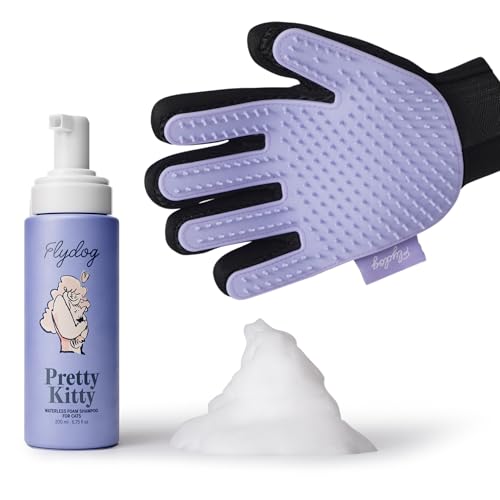
$19.30 on Amazon
Freshens the coat and skin once mats are cleared, no bath needed
Why Senior Cats Develop Mats
A cat's coat is in constant turnover, shedding old hairs and growing new ones. In a healthy young cat, grooming pulls those loose hairs free before they tangle. When grooming slows down, as it does in most aging cats, the shed fur stays put, weaving itself into the coat and knotting up. Add the slightly drier, coarser texture of an older cat's fur, and mats take hold quickly.
The location of the matting is a clue to the cause. Mats over the lower back, behind the legs, and around the tail base point to a cat that cannot twist to reach those areas, usually because of arthritis or being overweight. A cat matting all over may be too unwell to groom at all. Either way, matting is downstream of reduced grooming, so it is always worth asking your vet why your cat has stopped tending to itself.
Why Mats Are More Than a Cosmetic Problem
It is easy to dismiss mats as untidy fur, but they cause genuine harm:
- Constant pulling: A tight mat tugs on the skin with every movement, like a knot of hair pulled taut all day long.
- Trapped moisture and waste: Mats around the rear collect urine and feces, holding them against the skin and causing scald, irritation, and infection.
- Hidden problems: Skin sores, fleas, and lumps can fester unseen beneath a mat.
- Restricted movement: Large mats across the body or between the legs can physically limit how a cat moves.
For all these reasons, clearing mats is part of keeping an older cat comfortable and healthy, not a vanity project.
Senior Cat Wellness & Care Planner
Track your aging cat's health, meds, vet visits, mobility, nutrition, and quality of life — all in one printable planner.
Removing Small Mats Safely at Home
You can tackle small, loose mats yourself, provided your cat is comfortable and cooperative. Tight mats pressed against the skin are not a home job.
- Pick the right moment. Work when your cat is relaxed, not when it is already sore or annoyed. Keep sessions short.
- Apply detangler. Spritz a cat-safe detangling spray onto the mat and let it soften the tangle.
- Protect the skin. Slide your fingers between the mat and the skin, holding the base so combing cannot pull at the root.
- Work from the outside in. Using a wide-toothed steel comb or dematting tool, gently tease the mat apart starting at its outer edge, loosening a little at a time. Never rip through it.
- Stop if your cat objects. Pain or struggling means it is time to stop and let a professional finish.
The One Rule: No Scissors
Never cut a mat out with scissors. A cat's skin is thin and tents up into the base of a mat, so the blades catch skin as easily as hair. Lacerations from at-home scissoring are a regular reason cats end up at the emergency vet. If a mat must be cut away, use pet clippers that ride over the skin, or leave it to a groomer or veterinarian.
When to Call in a Professional
Some matting is beyond safe home care. See a groomer or your veterinarian when:
- Mats are large, tight, or pressed flat against the skin.
- Matting covers much of the body or is spreading quickly.
- The skin under a mat looks red, raw, wet, or smells bad.
- Your cat is too painful or stressed to allow combing.
For severely matted cats, the safest solution is often a sedated full-body shave, sometimes called a lion cut. It removes all the painful mats at once without hours of tugging, and it lets the skin underneath heal. A vet or experienced groomer can do this while protecting the delicate skin, something that is genuinely difficult to manage at home.
Preventing Mats From Coming Back
Once the coat is clear, prevention is mostly about consistency. Comb a long-haired senior all the way down to the skin every day or two, paying special attention to the rear, the tail base, and behind the legs where mats begin. Keep a detangler handy and work out small tangles before they tighten. Treat the underlying reason your cat groomed less, since easing arthritis or dental pain can help it resume some self-care. And for many long-haired seniors, a regular shorter clip from a groomer dramatically reduces matting and makes home grooming far easier on both of you.
Related Guides
- Senior Cat Stopped Grooming Itself - The medical reasons behind the reduced grooming that causes mats.
- Grooming Tips for Senior Cats - Gentle routines that keep tangles from forming in the first place.
- Best Deshedding Tools for Cats - Remove loose undercoat before it knots into mats.
Frequently Asked Questions
Why does my senior cat get matted fur when it never used to?
Mats form when loose, shed fur is no longer being removed by grooming and instead tangles with the coat. In older cats this happens because self-grooming has declined, usually due to arthritis pain, dental discomfort, obesity, or illness. The areas a stiff cat can no longer reach, the lower back, hindquarters, and tail base, mat first. So new matting in a senior cat is really a sign that grooming has fallen off, and it is worth finding out why.
Are mats painful for cats?
Yes, mats are genuinely uncomfortable and can become painful. As a mat tightens, it pulls constantly on the skin like a knot of hair being tugged, restricting movement. Tight mats trap moisture, urine, feces, and dirt against the skin, which leads to irritation, sores, and infection underneath. They can also hide fleas or skin problems from view. Severe matting can even restrict a cat's range of motion, so removing mats is a comfort and health issue, not just cosmetic.
Can I cut mats out of my cat's fur with scissors?
No, this is one of the most common ways owners accidentally injure their cats. A cat's skin is thin and loose, and it tents up into the base of a mat, so it is very easy to cut the skin instead of the hair. Vets regularly treat lacerations from at-home scissor attempts. For mats you cannot gently comb out, use clippers designed for pets or, better, have a groomer or veterinarian shave them safely.
How do I remove a small mat at home?
Work on small, loose mats only, and never when the cat is in pain. Apply a cat-safe detangling spray, then hold the fur between the mat and the skin with one hand to prevent pulling. Using a wide-toothed steel comb or a dematting tool, gently tease the mat apart from the outer edge inward, a little at a time. Keep sessions short and stop if your cat objects. Tight mats close to the skin should be left to a professional.
When should I see a vet or groomer instead?
See a professional when mats are large, tight, close to the skin, or spread over much of the body, or when your cat is too sore or stressed to tolerate combing. Skin that looks red, raw, or wet under a mat needs veterinary care. Severely matted cats are sometimes given a sedated full-body shave, called a lion cut, which is the safest way to start fresh. A groomer or vet can do this without nicking the delicate skin.
How can I prevent mats from coming back?
Frequent grooming is the answer, especially for long-haired seniors. Comb all the way down to the skin every day or two with a wide-toothed steel comb, concentrating on the rear and behind the legs where mats start. Keep tangles from tightening by combing them out while small. Address the underlying cause of reduced grooming with your vet, since treating arthritis or dental pain can help your cat resume some self-care. A shorter clip in long-haired cats also reduces matting.
Should I shave my matted long-haired senior cat?
For a heavily matted long-haired cat, a professional shave is often the kindest reset, removing painful mats all at once rather than tugging at the skin for hours. A regular shorter trim afterward, sometimes called a sanitary or lion trim, makes ongoing care far easier for both of you. Have it done by a groomer or vet so the skin is protected, keep the cat warm afterward since it has lost insulation, and resume gentle regular combing to keep the new coat tangle-free.
Need more help with your aging cat?
Browse our guides by topic to find practical solutions.
Wellness Planner — $39