Hyperthyroidism Diet for Cats: Feeding Guide
Diet can help manage feline hyperthyroidism. Learn how prescription low-iodine food works, why strict feeding matters, how it compares to medication and radioiodine, and how to feed a hyperthyroid senior cat.
When a cat is diagnosed with hyperthyroidism, food becomes a powerful part of the conversation, both as a possible treatment in its own right and as a way to rebuild the weight an overactive thyroid burns away. Many owners are surprised to learn that, for some cats, the right diet alone can bring runaway thyroid hormones back under control.
But feeding a hyperthyroid cat involves real nuance, from the strict rules of a low-iodine diet to the special challenge of cats that also have kidney disease. This guide explains how thyroid diets work, when they make sense, how they compare to other treatments, and how to feed a senior cat through this common condition. It is educational and meant to support, not replace, your veterinarian's care.
Feeding Picks for a Hyperthyroid Senior Cat

Hill's Prescription Diet Prescription y/d Thyroid Care Dry Food
$45.99 on Amazon
Clinically limited iodine to lower thyroid hormone when fed exclusively

Fancy Feast High Protein Senior 7+ Wet Food
$21.04 on Amazon
Protein-rich food to rebuild muscle and weight lost to hyperthyroidism

TIKI PETS Senior Wet Cat Food Variety Pack
$21.55 on Amazon
Highly palatable, high-moisture food for restoring a thin senior cat
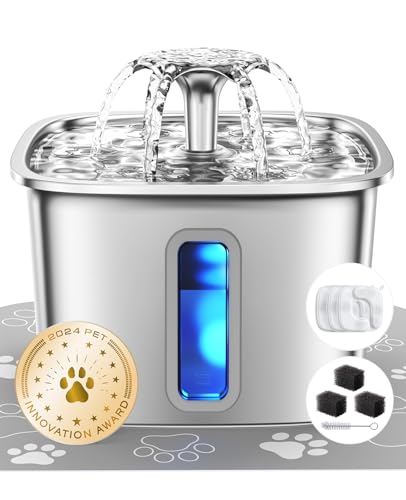
Veken Stainless Steel Cat Water Fountain
$25.49 on Amazon
Encourages hydration, important when thyroid disease affects the kidneys
How Diet Can Treat Hyperthyroidism
The thyroid gland makes its hormones using iodine as the essential raw material. In hyperthyroidism, a usually benign enlargement of the gland churns out far too much hormone, speeding the whole body and causing the classic weight loss, big appetite, restlessness, and increased thirst. The dietary approach turns the iodine dependence into a treatment: by strictly limiting iodine in the food, you limit how much hormone the overactive gland can produce.
The best-known example is Hill's Prescription Diet y/d, available by prescription in both dry and wet forms. Fed exclusively, it can bring thyroid hormone levels back into the normal range over several weeks, controlling the disease without daily pills.
The All-or-Nothing Rule
The single most important thing to understand about a low-iodine diet is that it only works if it is the only thing your cat eats. Because the whole strategy hinges on restricting iodine, even a small outside source undoes the effect.
- No other food: Not even a few bites of another cat's meal.
- No treats or table scraps: Most contain enough iodine to matter.
- No flavored medications or supplements: Unless your veterinarian confirms they are compatible.
- No hunting: A caught mouse or bird supplies plenty of iodine, so the cat must stay indoors.
This makes the diet best suited to indoor, single-cat households, or homes where a hyperthyroid cat can be reliably fed separately. In a busy multi-cat home with shared bowls, keeping the rule is genuinely difficult, which is an honest part of deciding whether this approach fits your situation.
Senior Cat Wellness & Care Planner
Track your aging cat's health, meds, vet visits, mobility, nutrition, and quality of life — all in one printable planner.
How the Diet Compares to Other Treatments
The low-iodine diet is one of four main treatment options, each with trade-offs. Diet is rarely the automatic first choice, but it fills an important niche.
| Treatment | Key Points |
|---|---|
| Low-iodine diet | No pills needed, but requires strict exclusive feeding; not a kidney diet |
| Methimazole medication | Daily oral or transdermal dosing, flexible and reversible, needs monitoring |
| Radioactive iodine | A curative one-time treatment, often the gold standard, done at a referral center |
| Surgery | Removes the overactive tissue, used less often than the other options |
Diet shines for cats that cannot tolerate methimazole or whose owners cannot medicate them, and for situations where radioiodine is not feasible. Your veterinarian will weigh your cat's overall health, other conditions, and your household to recommend the best path.
The Kidney Disease Complication
Hyperthyroidism and chronic kidney disease frequently coexist in senior cats, and they interact in a tricky way. The overactive thyroid increases blood flow through the kidneys, which can mask underlying kidney disease, so treating the thyroid sometimes reveals a kidney problem that was hidden all along.
This matters for feeding because the low-iodine y/d diet is not formulated for kidney support. A cat that needs a renal diet may be better served by treating the thyroid with medication or radioiodine and feeding a kidney diet, rather than using the thyroid diet. Balancing both conditions takes careful veterinary monitoring of thyroid and kidney values together.
Feeding to Rebuild Condition
Whatever treatment you choose, many hyperthyroid cats arrive thin and depleted, having burned through muscle and fat while the disease raged. Once the thyroid is being controlled, good nutrition helps restore them.
- Prioritize protein: High-quality protein rebuilds the muscle lost during the illness.
- Use palatable wet food: Aromatic, high-moisture food tempts the appetite and supports hydration.
- Feed frequent meals: Smaller, regular portions help a recovering cat regain weight steadily.
- Follow the treatment plan: If diet is the treatment, the prescription food is the food; if not, choose a senior diet matched to any other conditions.
Hyperthyroidism is one of the most treatable diseases of older cats, and most cats do beautifully once it is under control. Whether food is the treatment itself or the tool that rebuilds a recovering cat, feeding with your veterinarian's guidance is a key part of getting your senior cat back to its old, contented self.
Related Guides
- Hyperthyroidism in Senior Cats - The full guide to causes, signs, and treatment.
- Kidney Disease in Senior Cats - The condition that so often hides behind thyroid disease.
- Old Cat Losing Weight - Why hyperthyroid cats lose weight with a big appetite.
Frequently Asked Questions
Can diet alone control hyperthyroidism in cats?
Yes, in many cats. A prescription low-iodine diet such as Hill's y/d can normalize thyroid hormone levels because the thyroid needs iodine to make its hormones, and limiting iodine limits production. The catch is that it only works if the cat eats nothing else, no treats, other food, or hunted prey, since even small extra iodine undoes the effect. It is a good option for cats that cannot tolerate medication or other treatments, but it must be followed strictly.
What is a low-iodine diet for hyperthyroid cats?
It is a therapeutic food, available by prescription, that contains carefully limited iodine. Because the thyroid gland uses iodine as the raw material for thyroid hormone, restricting dietary iodine reduces how much hormone the overactive gland can produce, gradually bringing levels back toward normal over several weeks. The best-known example is Hill's Prescription Diet y/d, available in dry and wet forms. Your veterinarian prescribes it and monitors thyroid levels to confirm it is working.
Why must a hyperthyroid cat on y/d eat only that food?
Because the diet works by strictly limiting iodine, any outside source of iodine defeats it. A single treat, a bite of another cat's food, table scraps, flavored medications, or a caught mouse can supply enough iodine to keep the thyroid overactive. This makes the y/d diet challenging in multi-cat homes and impossible for cats that go outdoors and hunt. Success depends on the cat eating the prescription food and nothing else, every single day.
Is a prescription thyroid diet better than medication?
Neither is universally better; they suit different cats. The low-iodine diet avoids daily pills and their side effects and is helpful for cats that resist medication. Methimazole, the standard medication, is flexible and reversible but requires daily dosing and monitoring. Radioactive iodine therapy actually cures the disease and is often considered the gold standard. The right choice depends on your cat's health, other conditions like kidney disease, your household, and your veterinarian's guidance.
What should I feed a hyperthyroid cat that also has kidney disease?
This is a common and tricky combination, since hyperthyroidism can mask underlying kidney disease and treating the thyroid sometimes unmasks it. The low-iodine y/d diet is not a kidney diet, so a cat needing renal support may be better managed with methimazole or radioiodine plus a renal diet. There is no one-size answer, and balancing the two conditions takes careful veterinary monitoring of both thyroid and kidney values to find the safest plan.
How long until a thyroid diet starts working?
A low-iodine diet typically takes several weeks to bring thyroid hormone levels down, with many cats reaching the normal range within about four to twelve weeks of eating the food exclusively. Your veterinarian will recheck bloodwork to confirm the levels are falling and the diet is doing its job. During this time it is essential to feed nothing but the prescription food, since any iodine slip resets the progress and delays improvement.
What is the best food for a senior hyperthyroid cat in general?
If your cat is treated with medication or radioiodine rather than diet, the goal shifts to high-quality, highly palatable senior nutrition that rebuilds the weight and muscle lost during the disease. Protein-rich wet foods are excellent for restoring condition and supporting hydration. If diet is the treatment itself, then the prescription low-iodine food is the answer. Your veterinarian can match the food to your cat's specific treatment plan and any other health conditions.
Need more help with your aging cat?
Browse our guides by topic to find practical solutions.
Wellness Planner — $39