Senior Cat Starter Kit: Everything You Need
A complete senior cat starter kit checklist: low-entry litter box, heated bed, water fountain, joint supplement, and the comfort essentials every aging cat needs.
Your cat just crossed into her senior years, or maybe you have adopted an older cat and want to give her the most comfortable life possible. Either way, the routine that worked when she was leaping onto the fridge and using a tall covered litter box needs to change. Aging cats lose muscle, develop arthritis in the hips, elbows, and spine, run colder, and quietly slide toward kidney and dental disease. The good news is that a handful of well-chosen products can ease almost all of it.
This starter kit walks through every essential category a senior cat owner should cover. Think of it as a checklist you can work through at your own pace. You do not need to buy everything today, but having the full roadmap helps you prioritize the items that matter most and build a complete senior setup over time.
Starter Kit Essentials at a Glance

KittyGoHere Senior Low-Entry Litter Box
Low cut-down entrance spares stiff hips and elbows

K&H Pet Products Bolster Heated Cat Bed
$36.99 on Amazon
Gentle warmth soothes arthritic joints during long naps
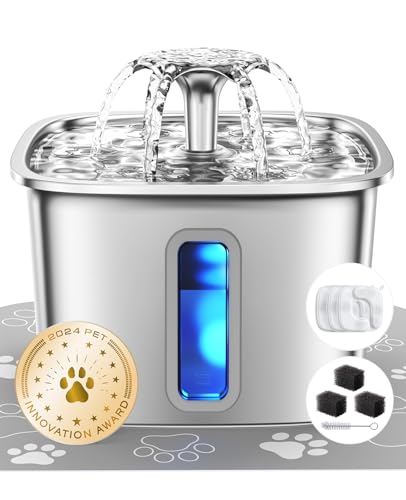
Veken Stainless Steel Water Fountain
$25.49 on Amazon
Running water encourages drinking to support aging kidneys

Nutramax Cosequin Joint Supplement for Cats
$13.97 on Amazon
Glucosamine and chondroitin for cartilage and mobility

Category 1: Litter Box Access
The single most common complaint from senior cat owners is litter box trouble, and the cause is usually physical rather than behavioral. A cat with arthritis in her hips or spine finds it genuinely painful to climb over a tall litter box wall or to balance inside a cramped covered dome. So she starts going right beside the box, on a soft rug, or in a corner where she does not have to fold her joints.
Low-Entry Litter Box (Priority: Essential)
A box with a low cut-down entrance, ideally no more than three inches high, lets a stiff cat walk in rather than climb in. Choose one that is also large and uncovered so she can turn around without crouching. For multi-cat homes or geriatric cats with accidents, a generous litter mat under the box saves your floors.
- KittyGoHere Senior Cat Litter Box on Amazon — Purpose-built low entrance for arthritic cats
- Large litter trapping mat on Amazon — Catches scatter and misses
Category 2: Warmth and Rest
Senior cats sleep 16 to 20 hours a day, and they feel the cold far more than they did as youngsters. Thinning coats, lower body fat, and slower circulation mean a chilly draft settles straight into aching joints. Where your cat sleeps is therefore one of the biggest levers you have over her daily comfort.
Heated or Orthopedic Bed (Priority: Essential)
A low-wattage heated bed or self-warming mat draws an arthritic cat in and keeps her joints loose. Look for a bed with a removable, washable cover and a bolster edge she can rest her chin on. Place it in a quiet, draft-free spot she already favors, away from foot traffic.
- K&H Bolster Heated Cat Bed on Amazon — Thermostatically controlled warmth
- Self-warming thermal mat on Amazon — No-cord option that reflects body heat
Category 3: Hydration and Nutrition
Chronic kidney disease affects a large share of cats over 10, and dehydration makes it worse. Cats have a famously weak thirst drive, so anything that nudges them to drink more is genuinely protective. Mealtime ergonomics matter too: bending to a floor bowl strains a sore neck and front legs.
- Water fountain — Moving water draws most cats to drink more. Stainless steel cat fountains on Amazon.
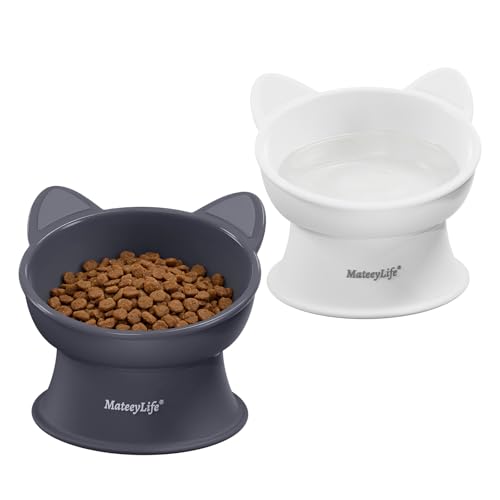
- Elevated, tilted bowls — Raise food to chest height to ease neck strain. Tilted elevated cat bowls on Amazon.
- Senior food — Match the diet to recent bloodwork, not the label. Senior 7+ cat food on Amazon.
- Omega-3 fish oil — Supports joints, skin, and kidney health. Omega-3 for cats on Amazon.
Category 4: Joint and Mobility Support
Studies using radiographs find arthritis in the great majority of cats over 12, yet cats rarely limp the way dogs do. Instead they stop jumping to the windowsill, hesitate on the stairs, sleep in lower spots, and groom less along the spine. A joint supplement plus a few mobility aids can restore much of her old range.
- Joint supplement — Glucosamine, chondroitin, and omega-3s for cartilage. Cosequin for Cats on Amazon.
- Pet steps or ramp — Reach the couch and bed without a jolting jump. Cat stairs on Amazon.
- Soft grooming brush — Helps with the back and hips she can no longer reach. Soft rubber cat brush on Amazon.
Category 5: Grooming and Daily Care
Older cats often groom themselves less, both because twisting is uncomfortable and because conditions like hyperthyroidism change the coat. The result is matting along the spine and hindquarters, overgrown claws that snag, and tartar that builds toward painful dental disease.
Grooming Checklist
- Gentle brush — Daily strokes keep the coat from matting. Cat grooming brushes on Amazon.
- Quiet nail clippers — Sedentary seniors do not wear claws down. Cat nail clippers on Amazon.
- Dental treats — Slow tartar between professional cleanings. Cat dental treats on Amazon.
Building Your Kit: Where to Start
If buying everything at once is not realistic, here is the order we recommend based on the impact each item has on daily comfort.
- Week 1: Low-entry litter box, often the fastest fix for accidents
- Week 2: Heated or orthopedic bed for warmth and joint relief
- Week 3: Water fountain to support hydration and kidneys
- Week 4: Joint supplement to begin long-term cartilage support
- Month 2: Pet steps and elevated bowls to reduce jumping and neck strain
- Month 3: Grooming and dental tools to build a routine
This educational guide complements but does not replace your veterinarian. Any sudden change in litter habits, appetite, weight, or thirst deserves a prompt exam, since those are the earliest signs of the chronic diseases that define feline aging.
Related Guides
- New Senior Cat Owner Checklist — The expanded essentials list.
- Arthritis Care Kit for Cats — Targeted mobility and pain relief.
- Best Amazon Finds for Senior Cats — Budget picks under $30.
Senior Cat Wellness & Care Planner
Track your aging cat's health, meds, vet visits, mobility, nutrition, and quality of life — all in one printable planner.
Frequently Asked Questions
At what age is a cat considered senior?
Most veterinarians classify cats as senior at 11 years, with 7 to 10 labeled mature and 15-plus labeled geriatric. Cats hide decline well, so the senior shift often arrives before owners notice it. Once your cat reaches double digits, it is worth building a care setup around lower jumps, warmer resting spots, and easier litter access even if she still seems spry.
What does a senior cat need that a younger cat does not?
Aging cats benefit from a low-entry litter box that spares stiff hips, a warm orthopedic or heated bed for arthritic joints, a water fountain to fight the chronic dehydration tied to kidney disease, steps or a ramp to reach favorite perches without jumping, and a joint supplement. Their care shifts from play and prevention toward comfort, hydration, and pain management.
How much does a senior cat starter kit cost?
A practical starter kit with a low-entry litter box, heated bed, water fountain, elevated bowls, pet steps, a joint supplement, and grooming tools usually runs 150 to 300 dollars total. You do not have to buy it all at once. Start with the litter box and a warm bed, then add hydration and mobility items over a few paychecks.
Why does my senior cat suddenly avoid the litter box?
Stepping over a high wall hurts arthritic hips and elbows, so cats with joint pain often start eliminating just outside the box. A litter box with a low cut-down entrance frequently fixes the problem overnight. Sudden litter box changes can also signal kidney disease, hyperthyroidism, or a urinary infection, so pair the equipment swap with a vet visit if it does not resolve.
Is a water fountain really worth it for an older cat?
For many seniors, yes. Cats evolved from desert animals and have a weak thirst drive, which becomes dangerous as kidney function declines with age. Running water encourages most cats to drink more, supporting kidney and urinary health. A fountain will not replace veterinary treatment for chronic kidney disease, but better daily hydration is one of the simplest things you can do at home.
Should I change my senior cat's food?
Many cats over 11 do better on a senior or therapeutic diet with adjusted protein, phosphorus, and added omega-3s, but the right choice depends on bloodwork. A cat with early kidney disease needs very different food than a thin geriatric cat losing muscle. Ask your veterinarian to interpret a recent senior blood panel before switching, rather than guessing from the label.
Need more help with your aging cat?
Browse our guides by topic to find practical solutions.
Wellness Planner — $39