New Senior Cat Owner Checklist: The Essentials
Just adopted or inherited an older cat? This new senior cat owner checklist covers the gear, food, health, and comfort essentials to set an aging cat up to thrive.
Welcoming an older cat is one of the most rewarding things you can do, whether you adopted a calm senior from a shelter, inherited a beloved family cat, or simply realized your longtime companion has quietly crossed into her golden years. Senior cats are affectionate, settled, and grateful, but they come with needs a kitten checklist never covers: warmth, easy litter access, hydration support, and a careful eye on the diseases that define feline aging.
This checklist organizes everything a new senior cat owner needs into clear categories, from the gear that goes in your cart on day one to the health routines that protect her for years. Work through it at your own pace, and remember that the most valuable item on the list is not a product at all: it is a baseline senior wellness exam with bloodwork.
New Owner Day-One Essentials


Step 1: Set Up a Safe, Easy Space
Before your senior cat arrives, prepare one quiet room where everything is within a few steps. Older cats are easily overwhelmed by a whole new house, and many will hide for the first few days. Space the litter box well away from food and water, keep the bed in a warm corner out of the draft, and add a low perch by a window so she can watch the world without climbing.
- Low-entry litter box — The first thing to get right. Large low-entry litter boxes on Amazon.
- Litter mat — Keeps the area clean for an unsteady cat. Cat litter mats on Amazon.
- Calming diffuser — Eases the stress of a new home. Calming aids for cats on Amazon.
Step 2: Get Warmth and Rest Right
An older cat will choose her sleeping spot based on warmth above almost everything else. A heated bed or self-warming mat in her quiet room gives her a reason to settle and relieves arthritic joints at the same time. Provide two or three resting options at different heights, all reachable without a big jump.
Bedding Picks
- K&H Heated Cat Bed on Amazon — Low-wattage, thermostat-controlled warmth
- Self-warming cave bed on Amazon — Enclosed comfort for cats that like to burrow
- Soft throw blanket on Amazon — Adds an extra layer of warmth
Step 3: Nail the Food and Water Setup
Hydration is the quiet battleground of senior cat care. A fountain encourages drinking, and pairing dry food with some wet food adds moisture that protects aging kidneys. Raise the bowls to ease neck strain, and keep mealtimes consistent so you can spot the appetite changes that often signal illness first.
- Water fountain — Moving water for reluctant drinkers. Cat fountains on Amazon.
- Elevated bowls — Reduce neck and shoulder strain. Raised cat bowls on Amazon.
- Senior diet — Confirm the formula with your vet. Senior cat food on Amazon.
- Probiotic — Smooths digestion during the diet transition. FortiFlora on Amazon.
Step 4: Support Mobility Early
Even a cat who seems agile is likely developing arthritis by her senior years. Starting a joint supplement and adding pet steps before she struggles is preventive care, not overkill. Watch for the subtle signs: hesitating before a jump, choosing lower resting spots, or a scruffy coat over the lower back where twisting hurts.
- Joint supplement — Begin early for best effect. Cosequin for Cats on Amazon.
- Pet steps — Save her joints from hard landings. Cat stairs and ramps on Amazon.
- Omega-3 oil — Anti-inflammatory support for joints and skin. Omega-3 for cats on Amazon.
Step 5: Build the Grooming and Health Routine
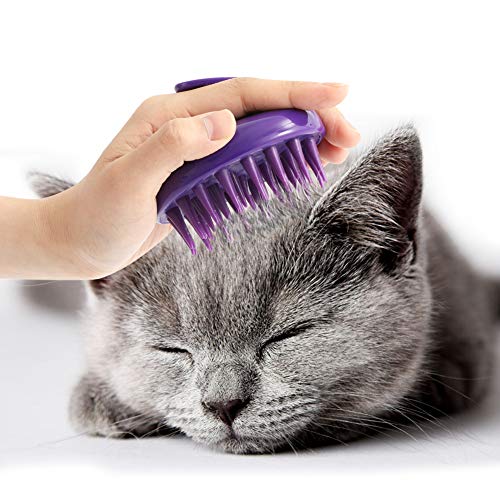
Older cats need help staying tidy, since they groom less and their claws and teeth need more attention. Keep a small kit on hand and use it in short, low-stress sessions.
- Soft brush — Prevents painful mats. Soft cat brushes on Amazon.
- Nail clippers — Trim claws that no longer wear down. Cat nail clippers on Amazon.
- Pill pockets — Make daily medications painless. Greenies Pill Pockets on Amazon.
- First aid kit — Be ready for minor scrapes. Pet first aid kits on Amazon.
Step 6: Schedule the Health Foundation
No product replaces a veterinary baseline. In your senior cat's first month, book a wellness exam that includes bloodwork, a urine test, blood pressure, and a weight check. These numbers become the reference point for every visit afterward and are how the big senior diseases get caught early. Plan on exams every six months from here on.
This guide is educational and complements, rather than replaces, your veterinarian's advice. Trust your instincts: a senior cat who suddenly drinks more, eats less, hides, or stops using the box is telling you something, and an early call to the vet is always worth it.
Related Guides
- Senior Cat Starter Kit — The core gear in one place.
- Kidney Care Kit for Cats — For a cat diagnosed with CKD.
- Best Amazon Finds for Senior Cats — Affordable add-ons.
Senior Cat Wellness & Care Planner
Track your aging cat's health, meds, vet visits, mobility, nutrition, and quality of life — all in one printable planner.
Frequently Asked Questions
I just adopted a senior cat. What should I buy first?
Start with the basics that affect comfort every single day: a large low-entry litter box, a warm and supportive bed, food and water bowls or a fountain, and the senior diet your shelter or vet recommends. Add a joint supplement, pet steps, and grooming tools over the following weeks. Booking a baseline senior wellness exam with bloodwork in the first month is just as important as any product.
How do I help a senior cat settle into a new home?
Give an older cat one quiet room to start, with the litter box, bed, water, and food spaced apart but easy to reach. Senior cats stress more than kittens and may hide for days. Keep routines predictable, use a pheromone diffuser, and resist the urge to over-handle her. Once she is eating, drinking, and using the box confidently, gradually open up the rest of the house.
What health problems are most common in older cats?
The big four in senior cats are chronic kidney disease, hyperthyroidism, dental disease, and arthritis, followed by diabetes and high blood pressure. All of them develop quietly. Weight loss despite a good appetite, increased thirst and urination, bad breath, and reluctance to jump are the everyday clues. Twice-yearly exams with bloodwork catch these conditions far earlier than waiting for obvious symptoms.
How often should a senior cat see the vet?
Most feline veterinarians recommend wellness exams every six months for cats 11 and older, versus once a year for younger adults. Because cats age faster than people and hide illness, six months is a long time in a senior cat's life. Routine bloodwork, urine testing, blood pressure, and weight tracking at these visits catch kidney, thyroid, and metabolic disease while treatment is still most effective.
Do indoor senior cats still need enrichment?
Yes. Mental stimulation slows cognitive decline and keeps muscles working, even when high-energy play is off the table. Gentle wand sessions, food puzzles, a sunny window perch, and short daily interaction all help. The key is matching the activity to her body: low, stable surfaces, soft toys, and brief sessions rather than the frantic chasing a kitten enjoys.
Should I feed a new senior cat wet or dry food?
Many senior cats benefit from at least some wet food because the added moisture supports aging kidneys and is gentler on sore teeth. That said, the best diet depends on her bloodwork, weight, and any diagnosed conditions. A thin geriatric cat, a cat with kidney disease, and a diabetic cat each need different nutrition, so confirm the specifics with your veterinarian rather than relying on age claims alone.
Need more help with your aging cat?
Browse our guides by topic to find practical solutions.
Wellness Planner — $39