Arthritis Care Kit for Cats: Complete Setup
A complete arthritis care kit for senior cats: heated beds, pet steps, low-entry litter, joint supplements, and comfort items that ease feline joint pain at home.
Arthritis is one of the most common and most underdiagnosed conditions in older cats. X-ray studies find degenerative joint disease in the great majority of cats over 12, yet because cats almost never limp, owners often miss it entirely. Instead of an obvious hobble, an arthritic cat quietly stops jumping to the windowsill, sleeps in lower spots, grooms less along her aching spine, and grows reluctant to climb into a tall litter box.
The encouraging news is that you can transform an arthritic cat's daily comfort with a handful of targeted changes. This care kit covers warmth, mobility, litter access, mealtime ergonomics, and joint support, all of which work together to take pressure off sore joints. Pair these home changes with your veterinarian's pain management plan for the best results.
Arthritis Care Kit Essentials

Nutramax Cosequin Joint Supplement for Cats
$13.97 on Amazon
Glucosamine and chondroitin to support cartilage


KittyGoHere Low-Entry Litter Box
Low walls spare arthritic hips at the litter box

Nordic Naturals Omega-3 Fish Oil for Cats
$15.26 on Amazon
Anti-inflammatory support for aching joints
Joint Support: Supplements and Diet
The foundation of at-home arthritis care is reducing inflammation and supporting what cartilage remains. Glucosamine and chondroitin supplements give the joints building blocks, while omega-3 fatty acids from fish oil have the strongest evidence for calming joint inflammation in cats. Start these early and give them consistently: they work best as steady long-term support rather than a quick fix.
- Joint supplement — Glucosamine and chondroitin daily. Cosequin for Cats on Amazon.
- Omega-3 fish oil — The best-supported anti-inflammatory add-on. Omega-3 for cats on Amazon.
- Pill pockets — Make daily dosing stress-free. Greenies Pill Pockets on Amazon.
Warmth: The Underrated Pain Reliever
Heat is one of the simplest and most effective comforts for an arthritic cat. Warmth increases blood flow and relaxes stiff joints, which is exactly why older cats seek out sunbeams and radiators. A low-wattage heated bed or a cordless self-warming mat gives her that relief on demand, all day and night.
Warming Picks (Priority: Essential)
- K&H Heated Cat Bed on Amazon — Thermostatically controlled, safe for all-day use
- Self-warming thermal mat on Amazon — Cordless warmth with no burn risk
- Adjustable heating pad on Amazon — Layer inside an existing bed
Haven Pet Insurance for Senior Cats.Coverage for accidents, illness, and the chronic conditions that drive the biggest senior-cat vet bills (kidney disease, hyperthyroidism, diabetes). Get a fast, free quote using your cat’s breed, age, and zip, then see your monthly premium before you commit.Sponsored
Mobility: Remove Every Jump You Can
Each leap onto the couch or down from the bed sends a jolt through arthritic joints. Pet steps and ramps let your cat keep her favorite high spots without the pain, and non-slip mats give traction on slick floors where a stiff cat can slip and strain. The goal is a home she can navigate without ever needing to jump or scramble.
- Pet steps or ramp — Gentle access to couch, bed, and perches. Cat stairs and ramps on Amazon.
- Non-slip litter mat — Traction and floor protection. Large litter mats on Amazon.
- Soft cave bed — A low, warm retreat at floor level. Self-warming cave beds on Amazon.
Litter Box and Mealtime Comfort
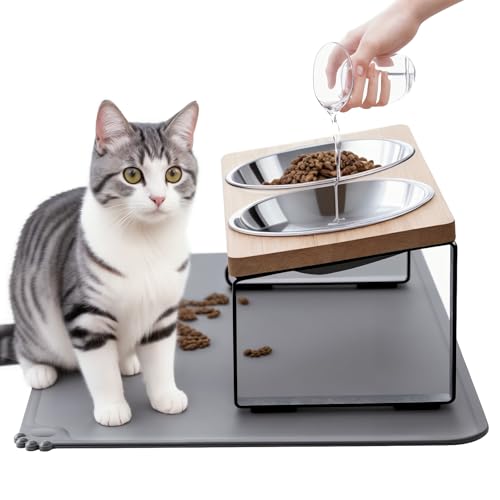
Two daily activities cause arthritic cats the most hidden pain: climbing into a tall litter box and bending to a floor bowl. A box with a low cut-down entrance lets her walk in instead of climbing, which often resolves accidents that started when joints got sore. Raising and tilting her food and water bowls takes the strain off her neck and front legs.
- Low-entry litter box — Easy access for stiff hips. Low-entry litter boxes on Amazon.
- Elevated tilted bowls — Comfortable mealtime posture. Tilted elevated bowls on Amazon.
- Soft grooming brush — Helps with the spine she can no longer reach. Cat grooming brushes on Amazon.
Putting the Kit Together
If you build this kit in order of impact, start with warmth and a joint supplement, then add pet steps and a low-entry litter box, and finish with elevated bowls and grooming tools. Within a couple of weeks most owners notice their cat moving more freely, jumping less, and settling more comfortably.
This guide is educational and does not replace veterinary care. Arthritis pain in cats often needs prescription pain relief that only your veterinarian can provide, and human or canine pain medications can be deadly to cats. Use this kit to make her home comfortable, and let your vet manage the medical side.
Related Guides
- Senior Cat Starter Kit — The full essentials roadmap.
- Kidney Care Kit for Cats — Support for CKD cats.
- Mobility Guides — Deeper dives on senior cat movement.
Senior Cat Wellness & Care Planner
Track your aging cat's health, meds, vet visits, mobility, nutrition, and quality of life — all in one printable planner.
Frequently Asked Questions
How do I know if my cat has arthritis?
Cats rarely limp the way dogs do, so the signs are subtle. Watch for hesitating before jumping, choosing lower resting spots, stiffness after sleep, difficulty climbing stairs or into the litter box, a scruffy or matted coat over the lower back, reduced play, and increased irritability when touched. Studies using X-rays find arthritis in the majority of cats over 12, so assume it is likely and look for these everyday clues.
What helps a cat with arthritis at home?
A whole-home approach works best: warmth from a heated bed to loosen stiff joints, pet steps and ramps to eliminate painful jumping, a low-entry litter box, raised bowls to ease neck strain, soft non-slip surfaces for traction, and a daily joint supplement with omega-3s. None of this replaces veterinary pain management, but together these changes dramatically improve an arthritic cat's daily comfort and mobility.
Do cat joint supplements actually work?
Supplements containing glucosamine, chondroitin, and especially omega-3 fatty acids can support cartilage and reduce inflammation in many cats, and they are most effective started early as long-term support rather than a last resort. Results vary by cat and supplements work best alongside, not instead of, veterinary care. For cats with significant pain, your vet may add prescription medications, which supplements complement rather than replace.
Can I give my cat human pain relievers for arthritis?
No, never. Common human pain relievers like ibuprofen, naproxen, and acetaminophen are toxic to cats and even a single dose can be fatal. Cats also cannot safely take most dog arthritis medications. Pain relief for an arthritic cat must come from your veterinarian, who can prescribe feline-specific options. At home, your job is comfort: warmth, easy access, traction, and supplements as directed.
What kind of bed is best for an arthritic cat?
A low-walled orthopedic or heated bed is ideal. Warmth loosens stiff joints, so a thermostat-controlled heated bed or a cordless self-warming mat is especially soothing. Choose one with a supportive foam base and a low or open side she can step into rather than climb over, and place it in a quiet, draft-free spot at floor level or on a surface she can reach with steps.
How can I make my home easier for an arthritic cat?
Remove the need to jump and climb. Add pet steps or a ramp to her favorite couch and windowsill, switch to a litter box with a low entrance, raise her food and water bowls, and lay down non-slip mats or rugs on slick floors so she does not slip. Keep everything she needs on one level if possible, and add warmth wherever she likes to rest.
Need more help with your aging cat?
Browse our guides by topic to find practical solutions.
Wellness Planner — $39