Kidney Care Kit for Cats with CKD
A practical kidney care kit for senior cats with chronic kidney disease: water fountains, renal support supplements, phosphorus binders, and hydration essentials.
Chronic kidney disease is one of the defining illnesses of feline aging, affecting a large share of cats over 10 and an even larger share of cats over 15. The hard part is that cats hide it well: by the time you notice increased thirst, weight loss, or a fading appetite, much of the kidney function is already gone. That is why a CKD diagnosis, while frightening, is also an opportunity, because thoughtful home care can slow the disease and keep your cat comfortable for a long time.
This kidney care kit gathers the home tools that support a cat with CKD: hydration aids, renal support supplements, phosphorus management, and appetite helpers. None of it replaces your veterinarian's treatment plan. Think of it as the at-home half of a partnership, where the vet sets the diet and medications and you handle daily hydration and comfort.
Kidney Care Kit Essentials
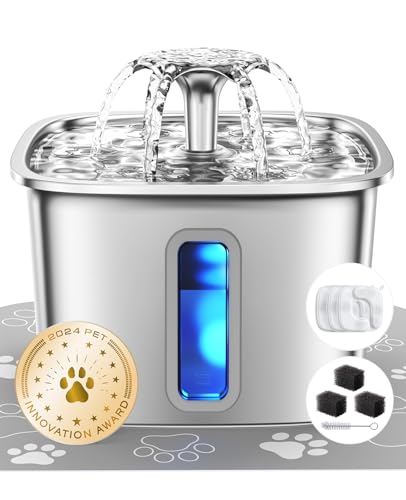
Veken Stainless Steel Water Fountain
$25.49 on Amazon
Running water encourages the drinking CKD cats need

Pet Wellbeing Kidney Support Supplement
$40.95 on Amazon
Vet-formulated renal support for normal kidney function



Purina Pro Plan FortiFlora Probiotic
$30.99 on Amazon
Supports digestion and steadies a delicate appetite
Hydration: The Single Most Important Thing
Cats with CKD lose the ability to concentrate their urine, so they shed water constantly and dehydrate easily. Everything that nudges your cat to take in more fluid helps the kidneys flush waste and makes her feel better. Start with a fountain, since most cats drink more from moving water, and set up several water stations so a drink is never more than a few steps away.
- Water fountain — The best way to boost daily intake. Cat water fountains on Amazon.
- Extra water bowls — Place stations on every level she frequents. Pet fountains on Amazon.
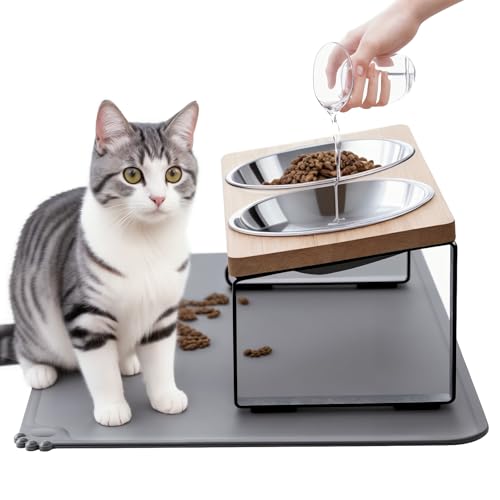
- Elevated bowls — Comfortable for a cat who tires easily. Raised cat bowls on Amazon.
Editor's Pick · Sponsored
Haven Pet Insurance for Senior Cats
Coverage for accidents, illness, and the chronic conditions that drive the biggest senior-cat vet bills (kidney disease, hyperthyroidism, diabetes). Get a fast, free quote using your cat’s breed, age, and zip, then see your monthly premium before you commit.
Diet and Phosphorus Control
A therapeutic renal diet, prescribed by your veterinarian, is the cornerstone of CKD management because it limits phosphorus and adjusts protein to reduce the kidneys' workload. When diet alone cannot keep blood phosphorus in range, a phosphorus binder mixed into meals traps the mineral so it leaves the body instead of damaging the kidneys further. Both should be guided by regular bloodwork.
Phosphorus and Renal Support
- Phosphate binder on Amazon — Use only under veterinary direction
- Kidney support supplement on Amazon — Complements a renal diet
- Omega-3 fish oil on Amazon — Often recommended for kidney support
Appetite and Nausea Support
As CKD advances, cats often feel queasy and eat less, which leads to weight and muscle loss. Warming wet food, offering it in shallow dishes, and using a high-calorie nutritional gel can tempt a finicky cat. A probiotic may steady digestion. If your cat's appetite drops sharply or she stops eating, contact your vet promptly, since appetite stimulants and anti-nausea medications can help a great deal.
- High-calorie gel — A palatable nutrition boost. Nutritional gels for cats on Amazon.
- Probiotic — Supports a sensitive digestive system. FortiFlora on Amazon.
- Pill pockets — Help deliver prescribed medications. Greenies Pill Pockets on Amazon.
Comfort and Monitoring at Home
CKD cats often feel cold and tired, so a warm resting spot and easy litter access keep them comfortable. Because they urinate more, a large low-entry litter box and a good trapping mat make life easier for both of you. Keep a simple log of appetite, weight, water intake, and litter habits, since trends in these numbers tell your vet how the disease is progressing between visits.
- Heated bed — Warmth for a cat who runs cold. Heated cat beds on Amazon.
- Low-entry litter box — Easy access for frequent trips. Large low-entry litter boxes on Amazon.
- Litter mat — Keeps the area clean. Cat litter mats on Amazon.
This guide is educational and complements, not replaces, your veterinarian's care. CKD management is highly individual: the right diet, supplements, phosphorus binder, and fluid plan depend on your cat's bloodwork and stage. Use these tools to support hydration and comfort at home, and keep every monitoring appointment your vet recommends.
Related Guides
- Senior Cat Starter Kit — Core senior essentials.
- Arthritis Care Kit for Cats — For joint pain support.
- Health Guides — More on senior cat conditions.
Senior Cat Wellness & Care Planner
Track your aging cat's health, meds, vet visits, mobility, nutrition, and quality of life — all in one printable planner.
Frequently Asked Questions
What are the first signs of kidney disease in cats?
The earliest signs of chronic kidney disease are increased thirst and increased urination, often with larger clumps in the litter box. As it progresses you may see weight loss, reduced appetite, vomiting, a dull coat, bad breath, and lethargy. Because cats lose much of their kidney function before symptoms appear, routine senior bloodwork and urine testing are the only reliable way to catch CKD early.
How can I support my cat's kidneys at home?
Hydration is the foundation. Offer running water from a fountain, feed wet or water-added food, and place several water stations around the home. Follow your vet's guidance on a therapeutic renal diet, which limits phosphorus and adjusts protein. Phosphorus binders, omega-3s, and probiotics may be recommended. At home your job is steady hydration, the prescribed diet, and watching for changes in appetite and energy.
Is wet food better for cats with kidney disease?
Generally yes. The added moisture in wet food directly supports hydration, which is critical for cats with reduced kidney function, and many therapeutic renal diets come in wet formulas. Some cats still prefer dry, so adding water to meals and providing a fountain helps. The specific renal diet should be chosen with your veterinarian based on your cat's bloodwork stage and appetite.
What is a phosphorus binder and does my cat need one?
As kidneys fail, they struggle to clear phosphorus from the blood, and high phosphorus accelerates kidney damage and makes cats feel ill. A phosphorus binder is mixed into food to trap dietary phosphorus so it passes out of the body. Not every cat needs one, and dosing depends on blood phosphorus levels, so binders should only be used under veterinary direction alongside a renal diet.
How important is water for a cat with kidney disease?
Extremely important. Cats with chronic kidney disease cannot concentrate their urine well, so they lose water constantly and dehydrate easily. Encouraging more drinking through a fountain, wet food, and multiple water stations helps the kidneys flush waste and keeps your cat feeling better. In more advanced cases, your veterinarian may teach you to give subcutaneous fluids at home to maintain hydration.
Can a cat live a long time with kidney disease?
Many cats live comfortably for months to years after a CKD diagnosis, especially when it is caught early and managed well. The combination of a renal diet, good hydration, phosphorus control when needed, and regular monitoring slows progression. Outcomes depend on the stage at diagnosis and your cat's overall health, so close partnership with your veterinarian and consistent home care make the biggest difference.
Need more help with your aging cat?
Browse our guides by topic to find practical solutions.
Wellness Planner — $39