Dementia Care Kit for Cats with CDS
A practical dementia care kit for senior cats with cognitive dysfunction: night lights, low-entry litter, calming diffusers, enrichment, and vet-guided support.
Feline cognitive dysfunction syndrome, sometimes called CDS or simply feline dementia, is the cat equivalent of age-related cognitive decline in people. As the aging brain changes, an affected cat can grow disoriented, anxious, and restless, and her familiar routines begin to slip. The signs are quiet at first: a cat who stares at a wall, gets stuck in a corner, sleeps all day and paces at night, or starts yowling into an empty room. Because these changes look like ordinary aging, CDS is often missed for months.
This dementia care kit gathers the home tools that make life calmer and easier to navigate for a cognitively impaired cat. None of it replaces a veterinary diagnosis or treatment plan, and it is important to know that other conditions like high blood pressure, thyroid disease, pain, and sensory loss can mimic dementia. Think of this kit as the at-home half of the picture: a predictable, well-lit, low-stress environment that supports an aging brain while your vet manages the medical side.
Dementia Care Kit Essentials

Attivolife Motion Sensor Cat Night Light
$14.79 on Amazon
Soft guiding light helps a disoriented cat after dark
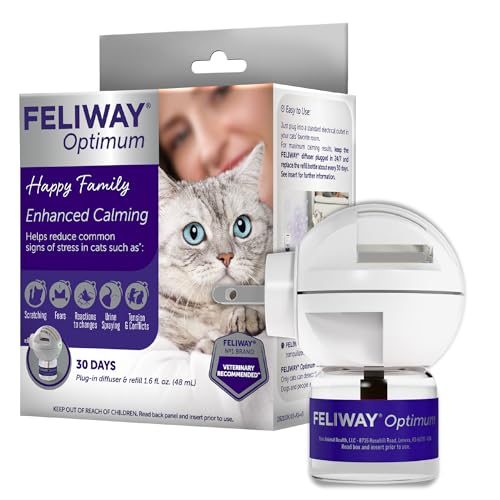
FELIWAY Feliway Optimum Calming Diffuser
$29.99 on Amazon
Pheromone diffuser eases the anxiety that comes with CDS

KittyGoHere KittyGoHere Low-Entry Litter Box
Low walls let a confused cat walk in without climbing

Catstages Interactive Puzzle Feeder
$15.19 on Amazon
Gentle mental work to keep an aging brain engaged

Dr. Bill's Feline Cognitive Support Supplement
$19.99 on Amazon
Vet-formulated brain support with antioxidants

K&H Pet Products Heated Cat Bed
$36.99 on Amazon
A warm, consistent safe spot lowers nighttime restlessness
Recognizing the Signs of Feline Cognitive Dysfunction
The first step in helping a cat with dementia is naming what you are seeing. Veterinarians often group the signs under the acronym DISHAA: disorientation, changes in interaction, sleep-wake disturbances, house-soiling, altered activity, and anxiety. In a real cat, that looks like wandering the house at 3 a.m. crying, forgetting where the litter box is, staring blankly, or becoming unusually clingy or withdrawn.
Crucially, every one of these signs can also be caused by a treatable medical problem. High blood pressure, hyperthyroidism, arthritis pain, vision loss, and urinary tract disease all produce overlapping symptoms. That is why diagnosis is vet-led: your veterinarian will examine your cat, check blood pressure and bloodwork, and rule out other illnesses before attributing the changes to CDS. Bring a list of the specific behaviors and when they started, since that history is genuinely useful.
- Disorientation - Staring at walls, getting stuck behind furniture, or seeming lost in familiar rooms.
- Altered sleep - Sleeping all day and pacing or yowling at night.
- Litter box lapses - A previously tidy cat missing the box or going elsewhere.
- Changed interaction - New clinginess, irritability, or withdrawal from the family.
Light the Way: Night Lights and Navigation
A cat with cognitive dysfunction often struggles most after dark, when disorientation and any age-related vision loss combine. Soft, low night lights placed along the route to the litter box, water, and food give her landmarks to follow, which can cut down on nighttime accidents and anxious wandering. Keep the lights low to the floor and warm in tone so they guide without disrupting sleep.
- Motion sensor night light - Gentle illumination right where she travels. Cat night lights on Amazon.
- Plug-in night lights - Steady low glow for hallways and stairs. Soft night lights on Amazon.
Easy-Access Litter Boxes and Familiar Layout
House-soiling is one of the hardest parts of feline dementia for owners, and a confused cat needs the litter box to be impossible to miss. Place a low-entry box on every level she uses, keep them in the same locations so she does not have to relearn the floor plan, and avoid covered designs that can trap and disorient her. Predictability is the theme: food, water, beds, and boxes should stay exactly where she expects them.
- Low-entry litter box - Walk-in access for a cat who can no longer climb or orient well. Low-entry litter boxes on Amazon.
- Litter mat - Catches scatter from an unsteady senior. Large litter mats on Amazon.
Editor's Pick · Sponsored
Haven Pet Insurance for Senior Cats
Coverage for accidents, illness, and the chronic conditions that drive the biggest senior-cat vet bills (kidney disease, hyperthyroidism, diabetes). Get a fast, free quote using your cat’s breed, age, and zip, then see your monthly premium before you commit.
Calm the Anxiety: Pheromones and Routine
Anxiety rides along with cognitive decline, and a calmer home means a calmer cat. A synthetic feline pheromone diffuser releases a copy of the natural facial marker cats use to signal that a space is safe, which can soften pacing, hiding, and stress vocalizing for some cats. It is non-sedating and runs continuously, so it works quietly in the background. Pair it with the single most powerful tool you have: a consistent daily routine. Feed, play, and wind down at the same times so the day stays familiar.
Calming and Routine Aids
- Feliway Optimum diffuser on Amazon - Non-sedating calming support, safe to run 24/7
- Heated cat bed on Amazon - A warm, consistent safe spot she can always find
- Automatic timed feeder on Amazon - Keeps mealtimes predictable to the minute
Gentle Enrichment to Keep the Brain Engaged
Mental stimulation will not reverse dementia, but keeping an aging brain gently active is one of the few things shown to help cognitive health, and it gives an anxious cat something positive to focus on. The key word is gentle: short, low-pressure sessions that match her reduced energy. A food puzzle turns a meal into a small problem to solve, and a few minutes of calm wand play or a new sunny perch can brighten her day without overwhelming her.
- Puzzle feeder - Light mental work paired with a meal. Cat puzzle feeders on Amazon.
- Gentle wand toy - Short, low-impact play to stay engaged. Interactive cat wands on Amazon.
- Cognitive support supplement - Antioxidant and omega-3 support, used under vet guidance. Feline cognitive supplements on Amazon.
Nutrition and Supplements for Brain Health
Diet plays a supporting role in managing cognitive dysfunction. Veterinarians sometimes recommend foods or supplements enriched with antioxidants, omega-3 fatty acids, and other ingredients aimed at brain health, and products like SAMe are used in some cases. The evidence in cats is still developing, and the right choice depends on your cat's overall health, so treat any supplement as a vet-guided decision rather than a do-it-yourself fix. Never start a new supplement in a cat with kidney, heart, or other chronic disease without checking first.
This guide is educational and complements, not replaces, veterinary care. Feline cognitive dysfunction is a diagnosis of exclusion, which means your vet first rules out the many treatable conditions that look just like it. Use this kit to build a predictable, well-lit, low-stress home, keep every monitoring appointment, and report new changes promptly so your cat's comfort and quality of life stay the priority.
Related Guides
- Senior Cat Starter Kit - Core senior essentials.
- Arthritis Care Kit for Cats - Comfort for sore joints.
- Health Guides - More on senior cat conditions.
Senior Cat Wellness & Care Planner
Track your aging cat's health, meds, vet visits, mobility, nutrition, and quality of life — all in one printable planner.
Frequently Asked Questions
What are the signs of dementia in cats?
Feline cognitive dysfunction syndrome shows up as subtle changes in behavior. Watch for disorientation or staring at walls, getting stuck in corners, altered sleep with restlessness or yowling at night, loud crying that seems aimless, litter box lapses in a previously tidy cat, reduced grooming, less interest in interaction, and increased clinginess or anxiety. Any one sign can have other causes, so a pattern of several changes in a cat over 11 deserves a veterinary workup.
At what age do cats get cognitive dysfunction?
Cognitive decline becomes more common as cats enter their senior and geriatric years. Studies suggest signs can begin around age 11, and the prevalence climbs steeply with age, affecting a large share of cats over 15. Because the early changes are easy to dismiss as normal aging, many cases go unrecognized. If your cat is 11 or older and acting differently, mention every change to your veterinarian rather than assuming it is just old age.
Why does my senior cat yowl at night?
Nighttime yowling is one of the most common and distressing signs of feline cognitive dysfunction. An affected cat can become disoriented in the dark, lose track of where family members are, and call out in confusion or anxiety. That said, nighttime vocalizing can also signal high blood pressure, an overactive thyroid, pain, or vision and hearing loss. Because the causes overlap, your vet should rule out medical problems before the behavior is attributed to dementia.
Can you treat dementia in cats?
There is no cure for feline cognitive dysfunction, but the right combination of environmental support, routine, enrichment, and veterinary care can slow the decline and ease the anxiety that comes with it. Vets may recommend dietary changes, antioxidants and omega-3 fatty acids, and in some cases medications for anxiety. Diagnosis and any drug or supplement plan must be vet-led, since the goal is to manage symptoms and protect quality of life, not reverse the disease.
How can I help my cat with cognitive dysfunction at home?
Keep life predictable and easy to navigate. Hold feeding, play, and bedtime to a consistent routine, since surprises increase confusion. Add night lights so a disoriented cat can find the litter box and water after dark, use low-entry litter boxes on every level, and keep food, water, and resting spots in the same familiar places. Gentle daily enrichment and a calm, low-stress home help an aging brain stay engaged.
Do calming pheromone diffusers help cats with dementia?
Synthetic feline pheromone diffusers will not treat cognitive dysfunction itself, but they can take the edge off the anxiety and restlessness that often come with it. The pheromone mimics the natural facial markers cats use to signal that a space is safe, which may reduce pacing, hiding, and stress vocalizing in some cats. They are non-sedating and safe to run continuously, so they pair well with routine, enrichment, and your veterinarian's plan.
Is night lighting really helpful for a senior cat?
Yes, especially for a cat showing confusion or vision changes. A soft night light along the path to the litter box, water, and food helps a disoriented cat orient herself after dark, which can reduce nighttime accidents and anxious wandering. Low, warm-toned lighting is best, since it provides just enough guidance without disrupting sleep. Place lights low to the floor near key destinations rather than overhead.
Need more help with your aging cat?
Browse our guides by topic to find practical solutions.
Wellness Planner — $39