Best Products for Cats After Surgery
The best recovery products for cats after surgery: recovery suits, soft cones, warm bedding, low litter boxes, pill pockets, and comfort items for healing senior cats.
Bringing a cat home after surgery is stressful, and it is harder still when she is a senior. Older cats heal more slowly, feel the cold more keenly, and tolerate confinement and discomfort less patiently than younger cats. Whether your cat had a dental procedure, a mass removed, a urinary surgery, or any other operation, the days that follow are about three things: protecting the incision, keeping her warm and calm, and making food, water, and the litter box effortless to reach.
This guide gathers the products that make feline recovery smoother, selected using research, veterinary guidance, product specifications, and verified owner reviews. Always pair them with your veterinarian's specific discharge instructions, which take priority over any general advice here.
Post-Surgery Recovery Essentials



Protecting the Incision
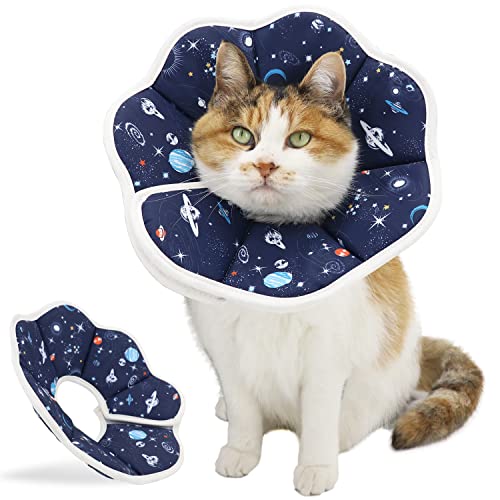
Keeping your cat from licking or biting the surgical site is the top priority, since a disturbed incision can open or become infected. You have two main tools, and the right one depends on where the wound is. A recovery suit is a soft, breathable bodysuit that covers abdominal and flank incisions while letting your cat move, eat, and use the litter box normally. For wounds a suit cannot cover, a cone is necessary, and a soft fabric cone is far gentler than the rigid plastic kind.
Incision Protection
- Cat recovery suit on Amazon — Comfortable coverage for body incisions
- Single-pack recovery onesie on Amazon — Easy on and off for vet rechecks
- Soft recovery cone on Amazon — For wounds a suit cannot reach
Warmth and a Quiet Resting Space
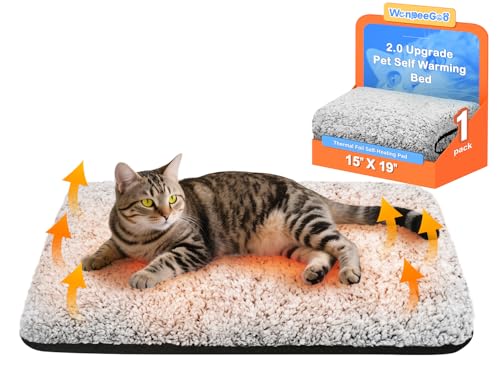
Warmth genuinely aids healing, and senior cats lose body heat quickly, especially in the hours after anesthesia. Set up a calm, confined recovery space with soft, supportive bedding and gentle warmth from a self-warming mat or a low-wattage heated bed. Keep the room quiet and dim, away from other pets and household bustle, so she can rest without stress.
- Self-warming mat — Cordless warmth with no burn risk. Self-warming cat mats on Amazon.
- Heated bed — Thermostat-controlled comfort. Heated cat beds on Amazon.
- Soft blanket — An easily washable extra layer. Soft pet blankets on Amazon.
Effortless Food, Water, and Litter
A recovering cat should not have to climb, jump, or travel far for anything. Keep food, water, and the litter box within a step or two of her resting spot. A low-entry litter box is essential while movement is restricted, and elevated bowls let her eat and drink without straining a tender abdomen. Many cats eat poorly right after surgery, so warming wet food or offering a high-calorie gel can help tempt her appetite back.
- Low-entry litter box — No climbing over a tall wall. Low-entry litter boxes on Amazon.
- Elevated bowls — Easy eating with a sore belly. Raised cat bowls on Amazon.
- Appetite gel — Tempts a cat who is eating little. High-calorie nutritional gels on Amazon.
Medication and Daily Monitoring
Most cats go home with pain medication or antibiotics, and getting pills into a recovering cat without stress matters. Pill pockets turn dosing into a treat. Keep a first aid kit on hand for minor issues, and check the incision a few times a day for redness, swelling, or discharge. A calming aid can ease the anxiety of confinement for a stressed cat.
- Pill pockets — Stress-free medicating. Greenies Pill Pockets on Amazon.
- Pet first aid kit — Ready for minor recovery issues. Pet first aid kits on Amazon.
- Calming aid — Eases the stress of confinement. Calming treats for cats on Amazon.
This guide is educational and does not replace your veterinarian's discharge instructions, which are specific to your cat's procedure and health. Senior cats can decline more quickly than younger ones, so watch the incision and her appetite closely and call your clinic with any concern. Thoughtful gear makes recovery easier, but your attentive care is what truly gets her through it.
Related Guides
- Senior Cat Starter Kit — The everyday essentials.
- Arthritis Care Kit for Cats — Long-term comfort support.
- Health Guides — More senior cat health topics.
Senior Cat Wellness & Care Planner
Track your aging cat's health, meds, vet visits, mobility, nutrition, and quality of life — all in one printable planner.
Frequently Asked Questions
What does a cat need after surgery?
A recovering cat needs a quiet, warm, confined space to rest, a way to keep the incision protected such as a recovery suit or soft cone, easy access to food, water, and a low litter box, and gentle help with medications. Senior cats also benefit from extra warmth and soft bedding. Always follow your veterinarian's specific discharge instructions, since they know the procedure and your cat's needs.
Is a recovery suit better than a cone for cats?
For many cats, a recovery suit is more comfortable than a hard plastic cone. A suit covers abdominal and flank incisions with breathable fabric, lets the cat eat, drink, groom, and navigate normally, and tends to be far less stressful. Cones are still useful for wounds a suit cannot cover, like those on the head or legs. Soft fabric cones are a gentler middle ground. Ask your vet which suits the incision.
How do I keep my cat from licking stitches?
Use the protective device your vet recommends, usually a recovery suit for body incisions or a cone for areas a suit cannot cover, and keep it on consistently, including at night when you cannot supervise. Cats are persistent, so check the incision a few times a day for redness, swelling, or discharge. If your cat is frantic or the device fails to stop licking, call your veterinary clinic for alternatives.
Should I confine my cat after surgery?
Yes, usually. Most procedures require restricted activity for one to two weeks so the incision can heal without being pulled open by jumping or rough play. Set up a calm, warm room or large crate with everything within easy reach and no high surfaces to leap onto. Senior cats especially benefit from a low-stress confined space. Follow your vet's timeline for gradually returning to normal activity.
How can I make my recovering cat more comfortable?
Keep her warm with a soft, supportive bed or a self-warming mat, since warmth aids healing and senior cats chill easily. Place food, water, and a low-entry litter box within a step or two so she does not have to move far. Hide medications in pill pockets to reduce stress, keep the room quiet and dim, and spend calm, reassuring time nearby without overhandling the incision area.
When should I call the vet during recovery?
Contact your veterinarian if you see increasing redness, swelling, heat, or discharge at the incision, if the wound opens, if your cat will not eat for more than a day, seems painful, lethargic, or feverish, vomits repeatedly, or does not urinate or defecate normally. Senior cats can decline faster than younger ones, so when something feels off during recovery, it is always better to call than to wait.
Need more help with your aging cat?
Browse our guides by topic to find practical solutions.
Wellness Planner — $39