Traveling With a Senior Cat: A Calm-Trip Guide
Older cats find travel stressful. Learn how to keep your senior cat calm, hydrated, and safe on the road, what to pack, and when a sitter is the kinder choice.
Cats are creatures of territory and routine, which is exactly why travel rattles them more than it does dogs. For a senior cat, the stakes are higher still. An older cat is more likely to have kidney disease, heart disease, arthritis, or cognitive changes that make a disrupted schedule and a strange environment genuinely hard on her body, not just her nerves. A stressed senior who stops eating or drinking can go downhill fast.
None of that means you can never take your aging cat with you. It means you plan carefully, keep the trip as calm and familiar as possible, and be honest about when a trusted sitter is the kinder option. Here is how to travel with a senior cat the right way.
Travel Essentials for a Senior Cat
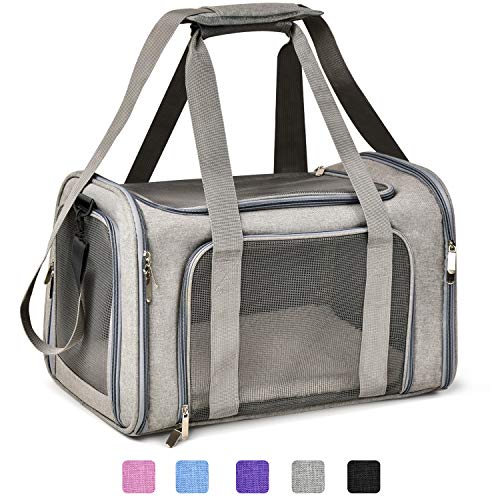
Henkelion Soft-Sided Cat Carrier
$23.48 on Amazon
Padded, ventilated carrier that fits familiar bedding for a less stressful ride

FELIWAY FELIWAY Calming Diffuser
$24.99 on Amazon
Cat pheromone that helps reduce travel anxiety in carriers and new places


Petskd Portable Travel Litter Box
$25.99 on Amazon
Foldable, leak-proof box with a lid for rest stops and hotel rooms
First, Decide Whether to Travel at All
Before booking anything, ask your veterinarian whether the trip is wise for your particular cat. A stable senior on no medication may travel fine, but a cat with advanced kidney disease, heart disease, or severe arthritis may suffer more from the journey than from a few days with a sitter. There is no shame in choosing a quality in-home pet sitter or a cat-only boarding facility; for many old cats, staying in familiar territory is the lowest-stress option of all.
Prepare the Carrier Well in Advance
The carrier is the single biggest source of travel stress, because most cats only see it on the way to the vet. Flip that association:
- Bring the carrier out days or weeks early and leave it open in a room she likes.
- Line it with familiar bedding and tuck in treats or a favorite toy.
- Feed an occasional meal nearby or inside so it becomes a safe, normal place.
- Spray it with a calming pheromone before trips to lower anxiety.
- Choose a carrier large enough for a senior to turn around, with good ventilation and easy top or front loading so you do not have to drag a sore cat out.
Car Travel: Safer and Calmer
For senior cats, driving beats flying almost every time, because you control the temperature, can check on her, and avoid cargo holds. Keep these rules:
- Always secure the carrier, ideally belted on the floor behind a seat or on the back seat, so it cannot slide or tip.
- Never let your cat loose in a moving car, where she can hide under the pedals or bolt at an open door.
- Keep the cabin cool and quiet, with steady temperature and low music or none.
- Stop every two to three hours to offer water, a travel litter box, and a calm check-in.
- Never leave her alone in a parked car, where heat and cold turn dangerous within minutes for a senior.
Make the Journey Easier
- Soft-Sided Cat Carriers - Comfortable, ventilated, and easy to load a stiff senior
- Calming Pheromone Products - Help take the edge off travel anxiety
- Portable Litter Boxes - For rest stops and unfamiliar rooms
If You Must Fly
Keep your cat in the cabin in an airline-approved under-seat carrier, never in the cargo hold, which is dangerous for any cat and especially an old one. You will need a recent veterinary exam and often a health certificate, so book that early. Withhold food a few hours before the flight to reduce nausea, but keep water available. For very old or fragile cats, weigh seriously whether flying is worth the risk versus a sitter.
Managing Stress and Motion Sickness
Talk with your vet about the right calming approach for your cat. Options range from pheromone diffusers and calming supplements to prescription anti-anxiety or anti-nausea medication for cats who drool, vomit, or panic. Never give a cat human sedatives or medications, and never sedate without veterinary direction, since sedation can be risky for seniors with heart or kidney conditions. A familiar-smelling blanket and a covered carrier often calm a cat as much as any product.
Packing Checklist for a Senior Cat
- Regular food, plus a few extra days' worth in case of delays
- All medications with spare doses, and any subcutaneous-fluid supplies
- Portable litter box and her usual litter
- Water fountain or bowl, and bottled water if her stomach is sensitive
- Familiar bedding and an item that smells like home
- Calming pheromone spray or diffuser
- Waste bags, wipes, and a towel for accidents
- Medical records, vaccination proof, and your vet's phone number
Settling Into a New Place
On arrival, set up one quiet room first with her carrier, bedding, food, water, litter box, and a calming diffuser, then let her explore the rest of the space gradually. Keep her feeding and medication schedule identical to home, because routine is what calms an older cat fastest. Offer hiding spots, keep noise low, and let her come to you. Most senior cats settle within a few days when their familiar resources and rhythms travel with them.
This guide is educational and does not replace veterinary advice. Always consult your veterinarian before traveling with a senior cat, particularly one with a chronic condition.
Senior Cat Wellness & Care Planner
Track your aging cat's health, meds, vet visits, mobility, nutrition, and quality of life — all in one printable planner.
Frequently Asked Questions
Is it safe to travel with a senior cat?
Many senior cats travel safely with planning, but it depends on her health. A stable older cat can usually handle a car trip with the right preparation, while a cat with advanced kidney disease, heart disease, or severe arthritis may be better left with a trusted sitter. Always check with your veterinarian before a long trip, especially if your cat is on medication, needs subcutaneous fluids, or has not traveled in years. Your vet can advise on safety and calming options.
How do I keep my senior cat calm during travel?
Reduce stress before you leave by getting her used to the carrier days or weeks ahead, leaving it out with familiar bedding and treats inside. Spray the carrier with a calming pheromone, bring an item that smells like home, and keep the car quiet and cool. Ask your vet about pheromone diffusers, calming supplements, or in some cases a prescription anti-anxiety or anti-nausea medication. Never sedate a cat without veterinary guidance.
Should I fly with my older cat or drive?
Driving is almost always less stressful and safer for a senior cat because you control the temperature, can stop to check on her, and avoid cargo holds and airport chaos. If you must fly, keep her in the cabin in an approved under-seat carrier, never in cargo, and get a veterinary exam and health certificate first. For very old or sick cats, a quality in-home pet sitter is often the kindest choice over any flight.
How often should I stop when driving with a senior cat?
Plan a check-in roughly every two to three hours. Offer water, see whether she will use a travel litter box, and confirm the car is a comfortable temperature. Keep her secured in her carrier whenever the car is moving; an unrestrained cat is a safety hazard and may bolt when a door opens. Never leave a senior cat alone in a parked car, where temperatures climb or drop to dangerous levels within minutes.
What should I pack for a senior cat's trip?
Bring her regular food and any medications with extra doses, a portable litter box and familiar litter, a water fountain or bowl, her own bedding and a favorite item that smells like home, a calming pheromone spray, waste bags and wipes, and a copy of her medical records plus your vet's number. For cats on prescription diets or subcutaneous fluids, pack enough supplies for delays. A familiar routine on the road eases stress.
Can travel make my senior cat sick?
Stress from travel can suppress appetite, trigger digestive upset, and worsen existing conditions like kidney disease or heart disease, and a cat who stops eating or drinking can deteriorate quickly. Motion sickness causing drooling and vomiting is also common. Watch for refusal to eat or drink, hiding, labored breathing, or signs of dehydration, and contact a veterinarian if they appear. Keeping trips short, calm, and well-hydrated lowers the risk considerably.
How do I help my senior cat settle into a new place?
Set up one quiet room first with her carrier, bedding, food, water, litter box, and a calming diffuser, then let her explore the rest gradually at her own pace. Keep her feeding and medication schedule exactly as it was at home. Older cats are deeply routine-driven, so familiarity is the fastest path to calm. Give her hiding spots, keep noise low, and do not force interaction; most cats relax within a few days.
Need more help with your aging cat?
Browse our guides by topic to find practical solutions.
Wellness Planner — $39