Best Dental Care for Cats 2026: Senior Teeth
Compare 6 dental care products for senior cats: toothbrush kits, dental treats, gels, and water additives, plus how to brush a cat and when to see your vet.
Dental disease is one of the quiet epidemics of feline aging. Most older cats carry some plaque, tartar, or gum inflammation, and because cats hide pain, owners often miss it until a cat stops eating or develops noticeably bad breath. Home dental care will not cure established disease, but consistent maintenance slows the buildup that leads to pain and tooth loss, and that keeps a senior cat eating comfortably.
We compared widely available feline dental products using their approach, ingredients, ease of daily use, recognition such as the Veterinary Oral Health Council seal where it applies, and the patterns in verified owner reviews. We did not test them ourselves. The most important point: home care complements but never replaces professional cleanings and exams, and any sign of mouth pain warrants a vet visit. Below are six options across kits, treats, gels, and additives, with a comparison table and how to choose.
Best Dental Care Products for Senior Cats 2026

Greenies Greenies Dental Cat Treats
$16.37 on Amazon
Veterinarian-recommended dental treats that help reduce tartar as your cat chews, chicken flavor.
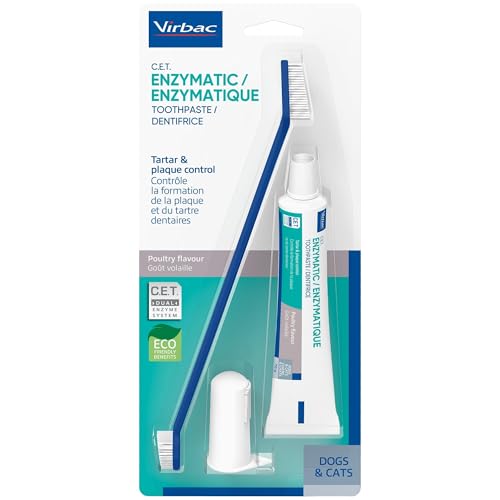
Virbac Virbac C.E.T. Oral Hygiene Kit
$14.00 on Amazon
Enzymatic toothpaste with a pet toothbrush and fingerbrush for daily mechanical cleaning.

Arm & Hammer Arm & Hammer Cat Dental Kit
$5.99 on Amazon
Enzymatic tuna toothpaste with a dual-head brush and finger brush, fluoride-free for cats.

TropiClean TropiClean Toothbrush Kit
$15.99 on Amazon
Cat toothbrush and toothpaste kit for breath freshening and complete daily dental care.
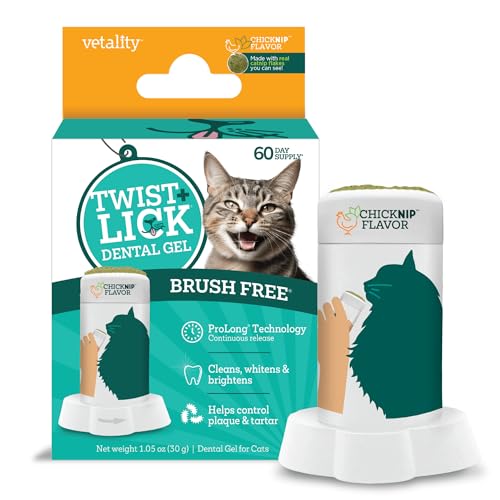
Vetality Vetality Twist + Lick Dental Gel
$17.99 on Amazon
No-brush dental gel that cleans teeth and freshens breath, catnip flavor, 30-day supply.

Oxyfresh Oxyfresh Pet Dental Water Additive
$18.95 on Amazon
Tasteless water additive that fights tartar and plaque with no brushing required.
How Do These Dental Products Compare?
| Product | Price | Type | Effort | Best For |
|---|---|---|---|---|
| Greenies Treats | $16 | Dental treat | Very easy | Cats that refuse brushing |
| Virbac C.E.T. Kit | $14 | Brush + enzyme paste | Daily brushing | Gold-standard care |
| Arm & Hammer Kit | $6 | Brush + paste | Daily brushing | Budget brushing setup |
| TropiClean Kit | $16 | Brush + paste | Daily brushing | Breath freshening |
| Vetality Gel | $18 | Dental gel | Low | No-brush option |
| Oxyfresh Additive | $19 | Water additive | Minimal | Hands-off maintenance |
How We Picked These Dental Products
This is a research-based comparison, not a hands-on test. We looked at how each product works, from mechanical brushing to enzymatic action to abrasive chewing, alongside ingredient transparency, recognition such as the Veterinary Oral Health Council seal where applicable, ease of daily use, and the consistent themes in verified owner reviews. We prioritized cat-specific formulations, a spread of effort levels so there is something for every cat's tolerance, and approaches with a sensible basis in feline dental care. We are not making medical claims, and we stress that home products support but do not replace professional cleanings and veterinary exams.
A Closer Look at Each Product
Greenies Dental Cat Treats
Our top pick is the most realistic option for the many cats that simply will not tolerate a brush. These veterinarian-recommended dental treats are designed so the texture helps reduce tartar as the cat chews, and most cats happily eat them as a daily reward. They will not reach the gumline the way brushing does, but as a low-friction habit a fussy senior will actually accept, they earn their place. Choose a flavor your cat likes and offer them daily.
Pros: Cats love them, vet-recommended, easy daily habit, several flavors.
Cons: Misses the gumline; adds calories, so account for them.
Virbac C.E.T. Oral Hygiene Kit
For owners willing to brush, this kit pairs a trusted enzymatic toothpaste with both a pet toothbrush and a fingerbrush, covering the gold standard of feline dental care. The enzymes add antibacterial action on top of the mechanical cleaning, and having two brush styles lets you find what your cat tolerates. Brushing daily is the single most effective thing you can do at home, and this kit gives you the right tools.
Pros: Gold-standard brushing, enzymatic paste, two brush types.
Cons: Requires daily effort and a cooperative cat.
Arm & Hammer Cat Dental Kit
This budget kit makes brushing affordable, with a tuna-flavored enzymatic toothpaste plus a dual-head brush and a finger brush. The baking-soda formula is fluoride-free, which matters because cats swallow their toothpaste. For a first-time brusher or a cost-conscious owner, it is an easy, low-risk way to start daily dental care.
Pros: Very affordable, fluoride-free, two brush options, palatable flavor.
Cons: Basic brushes; flavor preference varies by cat.
TropiClean Toothbrush Kit
TropiClean's kit focuses on fresh breath alongside cleaning, pairing a cat toothbrush with its toothpaste for complete daily care. It is a solid all-rounder for owners whose main complaint is odor and who want a straightforward brushing setup. As with all brushing, consistency is what delivers results, so build the habit gradually.
Pros: Breath-focused, complete kit, easy to use.
Cons: Still requires daily brushing cooperation.
Vetality Twist + Lick Dental Gel
For cats that refuse a brush, this catnip-flavored gel offers a no-brush route to cleaning teeth and freshening breath, with a 30-day supply. You apply it and let the cat's licking and natural action distribute it. It will not match brushing, but as a low-effort daily step for an uncooperative senior, it is a useful tool in the kit.
Pros: No brushing needed, catnip flavor aids acceptance, easy daily use.
Cons: Less effective than brushing; coverage depends on the cat.
Oxyfresh Pet Dental Water Additive
The most hands-off option, this tasteless additive goes into your cat's water bowl to help fight tartar and plaque with no brushing at all. Because it is unflavored, most cats keep drinking normally, which is half the battle with additives. It works best as a supporting layer alongside other care rather than a standalone solution, but for a cat that fights every other method, it is something.
Pros: Minimal effort, tasteless so cats accept it, supports other care.
Cons: Mildest effect; depends on the cat drinking treated water.
Haven Pet Insurance for Senior Cats.Coverage for accidents, illness, and the chronic conditions that drive the biggest senior-cat vet bills (kidney disease, hyperthyroidism, diabetes). Get a fast, free quote using your cat’s breed, age, and zip, then see your monthly premium before you commit.Sponsored
A Real Dental Plan for Your Senior Cat
The most effective dental care combines home maintenance with professional care. Build your plan around these pieces.
- Daily brushing. If your cat tolerates it, brushing with an enzymatic cat toothpaste is the highest-impact home step.
- Backup methods. For cats that refuse a brush, dental treats, gels, and water additives offer easier, if gentler, help.
- Professional cleanings. Only your vet can scale below the gumline, take dental x-rays, and treat disease under anesthesia.
- Watch for pain. Bad breath, drooling, pawing at the mouth, or eating on one side mean a vet visit, not more home care.
- Stay consistent. Whatever method your cat accepts, daily use is what slows dental disease over time.
These products are educational tools to discuss with your veterinarian. This guide complements, but does not replace, professional dental care and veterinary advice for your cat.
Senior Cat Wellness & Care Planner
Track your aging cat's health, meds, vet visits, mobility, nutrition, and quality of life — all in one printable planner.
Related Senior Cat Guides
Frequently Asked Questions
Why does dental care matter so much for senior cats?
Dental disease is one of the most common problems in older cats, and the majority of cats over a few years old have some form of it. Beyond bad breath, painful gums and infected teeth make a cat reluctant to eat, which is dangerous for a senior who needs steady nutrition. Untreated dental infection can also strain the kidneys and other organs. Home dental care slows the buildup of plaque and tartar between professional cleanings, which keeps your cat eating comfortably and supports overall health in their senior years.
Can home products replace a professional dental cleaning?
No. Home brushing, treats, gels, and water additives slow plaque and tartar and help between visits, but they cannot remove established tartar or treat disease below the gumline. Only a veterinarian can perform a full cleaning under anesthesia, including scaling, polishing, and dental x-rays to find hidden problems. Think of home care as maintenance that stretches the time between cleanings and keeps gums healthier. If your cat has bad breath, drooling, or trouble eating, book a vet exam rather than relying on home products alone.
What is the most effective home dental care for cats?
Daily tooth brushing with a cat-specific enzymatic toothpaste is the gold standard, because mechanically removing plaque before it hardens is what actually slows dental disease. Many cats resist brushing at first, so introduce it slowly over weeks. For cats that refuse a brush, dental treats accepted by the Veterinary Oral Health Council, dental gels, and water additives are useful second-tier options. The best product is the one you will use consistently, so match the format to your cat's tolerance and keep it daily.
Are dental treats enough on their own?
Dental treats help but work best alongside other care. Treats designed to reduce plaque can scrub teeth as a cat chews, and ones carrying the Veterinary Oral Health Council seal have shown a measurable effect. On their own, though, they reach mostly the chewing surfaces and miss the gumline where disease starts. Use them as a helpful addition to brushing or as a starting point for a cat that will not tolerate a brush, not as a complete substitute for brushing and professional cleanings.
How do I brush a cat that hates it?
Go slow and build positive associations over weeks. Start by letting your cat lick a dab of cat toothpaste off your finger so they learn to like the flavor, then progress to rubbing a finger along the gumline, and finally to a soft cat toothbrush or finger brush. Keep sessions short and end on a good note with praise or a treat. Focus on the outer surfaces of the teeth, which collect the most tartar. If your cat truly will not allow it, switch to gels, treats, or water additives.
Is bad breath in an older cat normal?
No, persistent bad breath is not normal and usually signals dental disease, though it can also point to kidney disease or other problems in senior cats. A healthy mouth should not smell foul. If your older cat has noticeably bad breath, red gums, drooling, pawing at the mouth, or has started eating on one side or dropping food, see your veterinarian. These are signs of pain or infection that home products cannot fix and that need professional evaluation, possibly including a dental cleaning.
Need more help with your aging cat?
Browse our guides by topic to find practical solutions.
Wellness Planner — $39