Best Cat Supplements 2026: Senior Cat Health
Compare 6 supplements for senior cats: multivitamins, probiotics, and omega-3 fish oils, plus how to choose safely with your vet and when supplements actually help.
As cats age, owners often wonder whether a supplement could help. The honest answer is that a healthy senior on a complete diet may need none, but specific situations make supplements genuinely useful: a multivitamin for a cat eating less, omega-3s for a dull coat and stiff joints, or a probiotic for a touchy stomach. The goal is targeted support, chosen with your vet, not a cabinet full of extras.
We compared widely available cat supplements using ingredient quality, cat-specific formulation and dosing, format options, manufacturer transparency, and the patterns in verified owner reviews. We did not test them ourselves. We want to be clear: supplements are additions to discuss with your veterinarian, especially for a senior with kidney, heart, or liver disease that may need ingredients limited. Below are six options across multivitamins, probiotics, and omega-3s, with a comparison table and how to choose.
Best Cat Supplements for Senior Cats 2026

VetriScience VetriScience Senior 27+ Multivitamin
$8.99 on Amazon
Daily senior multivitamin with balanced vitamins, minerals, and antioxidants for healthy aging.

NaturVet NaturVet VitaPet Senior
$13.97 on Amazon
Senior daily vitamins with added glucosamine to support aging joints alongside essential minerals.

Pro Plan Veterinary Diets Purina FortiFlora Probiotic
$30.99 on Amazon
Veterinary probiotic for cats that supports digestive health and helps manage loose stools.

Nordic Naturals Nordic Naturals Omega-3 Cat
$15.26 on Amazon
Unflavored fish oil with EPA and DHA to support a senior cat's heart, skin, coat, and joints.

Pet Honesty Pet Honesty Cat Multivitamin
$26.24 on Amazon
Crunchy-creamy daily chews with lysine, prebiotics, and omega-3s for all-around senior support.
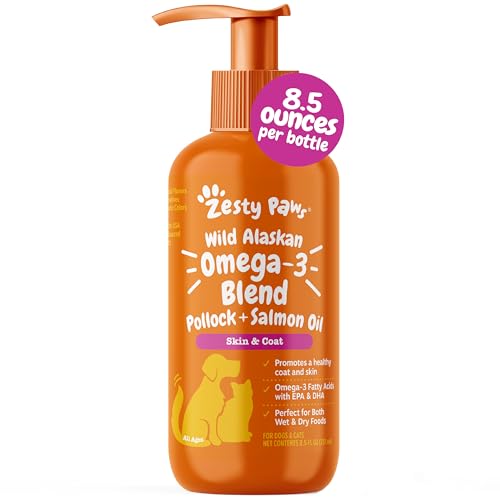
Zesty Paws Zesty Paws Omega-3 Oil
$14.42 on Amazon
Wild Alaskan pollock and salmon oil for skin and coat support, easy to pump over food.
How Do These Supplements Compare?
| Supplement | Price | Type | Form | Best For |
|---|---|---|---|---|
| VetriScience Senior 27+ | $9 | Multivitamin | Chew | General senior support |
| NaturVet VitaPet Senior | $14 | Multivitamin + joint | Soft chew | Aging joints |
| Purina FortiFlora | $31 | Probiotic | Powder | Digestive health |
| Nordic Naturals Omega-3 | $15 | Fish oil | Liquid | Skin, coat, joints |
| Pet Honesty Multivitamin | $26 | Multivitamin | Chew | All-around chews |
| Zesty Paws Omega-3 | $14 | Fish oil | Liquid pump | Easy mixing |
How We Picked These Supplements
This is a research-based comparison, not a clinical trial. We weighed ingredient quality and transparency, cat-specific formulation and sensible dosing, format options since acceptance matters, manufacturer reputation, and the consistent themes in verified owner reviews, then matched them against the needs that most often arise in senior cats. We prioritized cat-formulated products over repackaged human or dog versions, a spread of categories so you can target a specific need, and palatable formats. We are not making medical claims, and we strongly recommend choosing any supplement with your veterinarian, since a senior with kidney or heart disease may need certain ingredients restricted.
A Closer Look at Each Supplement
VetriScience Senior 27+ Multivitamin
Our top pick is a senior-specific multivitamin that delivers balanced vitamins, minerals, and antioxidants in a palatable chew aimed at healthy aging. For an older cat whose appetite has dipped or whose diet you want to round out, it fills gaps without overloading on any one thing. As an affordable, well-regarded daily foundation from a trusted veterinary supplement brand, it is a sensible starting point to discuss with your vet.
Pros: Senior-formulated, balanced, palatable chew, affordable, trusted brand.
Cons: General support, not targeted to a specific condition.
NaturVet VitaPet Senior
This senior daily vitamin adds glucosamine to the usual minerals, giving a little joint support alongside general wellness, which suits an aging cat starting to stiffen. The combination means one chew covers two bases, simplifying a senior's routine. For owners who want vitamins with a nod to joint health in a single product, it is a practical, value-priced option.
Pros: Vitamins plus glucosamine, soft chew, good value.
Cons: Joint dose is supportive, not a dedicated joint product.
Purina FortiFlora Probiotic
A veterinary-trusted probiotic, FortiFlora comes as a tasty powder you sprinkle over food to support digestive health and help firm up loose stools, a common issue in seniors. Many vets reach for it first when a cat has a sensitive stomach. The powder format makes it easy to give even to fussy cats, since it acts as a flavor enhancer. For digestive support, it is a well-established choice.
Pros: Vet-trusted, easy powder, palatable, supports digestion.
Cons: Pricier per serving; single-purpose.
Nordic Naturals Omega-3 Cat
This unflavored fish oil provides EPA and DHA at a cat-appropriate dose to support heart, skin, coat, and joint health, areas where omega-3s shine for seniors. Being unflavored, it mixes into food without putting cats off, and Nordic Naturals has a strong reputation for purity. For an older cat with a dull coat or stiff joints, it is a clean, well-made omega-3 to consider with your vet.
Pros: Quality EPA and DHA, cat-dosed, unflavored for easy mixing.
Cons: Liquid dosing takes care; refrigerate after opening.
Pet Honesty Cat Multivitamin
These crunchy-creamy chews bundle lysine, prebiotics, and omega-3s into one all-around daily supplement, appealing to owners who want broad support in a single treat-like chew. The dual texture aims to win over picky cats. For a senior that takes chews readily and whose owner wants a do-a-bit-of-everything option, it is a convenient pick, though broad formulas are less targeted than single-purpose ones.
Pros: Broad support in one chew, palatable texture, includes prebiotics and omega-3.
Cons: Jack-of-all-trades dosing; not condition-specific.
Zesty Paws Omega-3 Oil
This wild Alaskan pollock and salmon oil supports skin and coat with an easy pump dispenser that lets you measure a dose straight onto food. The pump makes daily dosing tidy and consistent, and the fishy flavor appeals to many cats. As an affordable, easy-to-use omega-3, it is a good everyday option for coat and general support, again best coordinated with your vet for a medicated senior.
Pros: Convenient pump, cats like the flavor, affordable, skin and coat support.
Cons: Flavored, so less neutral than unflavored oils; refrigerate after opening.
Haven Pet Insurance for Senior Cats.Coverage for accidents, illness, and the chronic conditions that drive the biggest senior-cat vet bills (kidney disease, hyperthyroidism, diabetes). Get a fast, free quote using your cat’s breed, age, and zip, then see your monthly premium before you commit.Sponsored
Using Supplements Wisely for an Older Cat
Supplements help most when they answer a specific need. Keep these points in mind.
- Start with a need. Identify a goal with your vet, like coat, digestion, or joints, rather than adding supplements blindly.
- Choose cat-formulated products. Human and dog supplements can be wrongly dosed or unsafe for cats.
- Coordinate with medication. A senior on drugs or with kidney or heart disease needs vet oversight before any addition.
- Match the format. Pick chews, powders, or liquids your fussy cat will reliably accept.
- Give it time. Many supplements need four to eight weeks of daily use before you can judge the effect.
These products are educational options to discuss with your veterinarian, not treatments for diagnosed disease. This guide complements, but does not replace, professional veterinary care for your senior cat.
Senior Cat Wellness & Care Planner
Track your aging cat's health, meds, vet visits, mobility, nutrition, and quality of life — all in one printable planner.
Related Senior Cat Guides
Frequently Asked Questions
Does my senior cat actually need supplements?
Not every senior cat needs supplements, and a complete, balanced diet provides most of what a healthy cat requires. Supplements become useful for specific situations: a multivitamin for an older cat eating less, omega-3s for skin, coat, and joints, a probiotic for digestive upset, or targeted support for a diagnosed condition. The key is to treat them as additions guided by your vet rather than a cure-all. Always discuss any supplement with your veterinarian, since a senior cat with kidney, liver, or heart disease may need certain ingredients limited rather than added.
Which supplements help senior cats most?
The most commonly recommended for older cats are omega-3 fatty acids from fish oil for skin, coat, and anti-inflammatory joint support, probiotics for digestive health, and a senior multivitamin to fill gaps if appetite has dropped. Joint supplements with glucosamine and chondroitin support arthritic cats, and some seniors benefit from supplements aimed at cognitive support. Which ones suit your cat depends entirely on their health, so the best approach is to identify a specific need with your vet and choose a targeted, cat-formulated product rather than piling on extras.
Are human supplements safe to give cats?
No, you should not give human supplements to a cat without veterinary guidance. Doses are calibrated for people and can be far too high for a small cat, and some ingredients safe for humans are toxic to cats, including certain forms of vitamins and additives like xylitol. Even fish oil should be a cat-appropriate product at a cat dose. Always choose supplements formulated specifically for cats and confirm them with your vet, who can ensure the ingredients and amounts are safe for your senior's particular health situation.
Can supplements interfere with my cat's medication?
They can, which is why vet oversight matters for a senior on medication. Some supplements affect how drugs are absorbed or processed, and a cat with kidney or heart disease may need certain minerals or ingredients restricted rather than supplemented. Omega-3s, for instance, are usually helpful but should be coordinated with other treatments. Bring a list of everything your cat takes, including supplements, to every vet visit, and never start a new supplement for a medicated cat without checking that it fits the overall plan.
How do I give a supplement to a fussy senior cat?
Match the format to your cat. Soft chews work as treats for cooperative cats, powders and liquids can be mixed into strongly flavored wet food for cats that dislike chewing, and some omega-3 oils can be drizzled over a meal. Start with a tiny amount to build acceptance, and warm wet food to boost its aroma. If your cat detects and refuses a supplement, your vet may suggest a different flavor, format, or a more palatable brand. Consistency matters, so find a format your cat will reliably accept.
How long until a supplement shows results?
It varies by type and goal. Probiotics may settle digestion within days to a couple of weeks, while omega-3s and joint supplements work gradually and often need four to eight weeks of daily use before you can judge their effect on coat or mobility. Multivitamins support general wellness over time rather than producing a dramatic change. Keep a simple log of what you are watching, whether it is stool quality, coat condition, or activity, and give a supplement a fair trial of several weeks before deciding with your vet whether to continue.
Need more help with your aging cat?
Browse our guides by topic to find practical solutions.
Wellness Planner — $39