Veterinary Payment Plans for Senior Cats
Veterinary payment plans for senior cats explained: in-house billing, CareCredit, Scratchpay, charitable funds, and smart ways to afford an older cat's vet bills.
Few moments feel worse than standing at the vet counter with a beloved senior cat, a serious diagnosis, and an estimate you cannot pay in full. As cats age, the bills grow: kidney disease management, dental surgery, a hyperthyroidism workup, an emergency blockage. Any one of these can run from several hundred to several thousand dollars, and they tend to arrive without warning.
Veterinary payment plans exist precisely for these moments. This guide walks through the real options, how each works, what they cost, and how to choose, so that money is never the reason your aging cat goes without care.
Editor's Pick · Sponsored
Haven Pet Insurance for Senior Cats
Coverage for accidents, illness, and the chronic conditions that drive the biggest senior-cat vet bills (kidney disease, hyperthyroidism, diabetes). Get a fast, free quote using your cat’s breed, age, and zip, then see your monthly premium before you commit.
The Three Main Types of Payment Plan
Veterinary financing generally comes in three flavors, and understanding the differences helps you pick the least costly option for your situation.
In-House Payment Plans
Some clinics, especially smaller independent practices, will let you pay a large bill in installments directly to them. This is often the cheapest route because it usually carries little or no interest. The catch is that not every vet offers it, and those who do tend to reserve it for established clients with a good payment history. Ask your regular vet now, before a crisis, whether they offer in-house billing for senior patients.
Third-Party Medical Credit (CareCredit)
CareCredit is a healthcare credit card accepted at many clinics. It often advertises a promotional no-interest period if you pay the balance in full within a set window. The danger is deferred interest: miss the payoff deadline by even a day and interest is charged retroactively from the original purchase date, which can be costly. It is a sound choice only if you are confident you can clear the balance inside the promotional window.
Installment Lenders (Scratchpay and Similar)
Scratchpay and comparable services offer fixed-term loans rather than a revolving card. You see the full cost up front and pay set monthly amounts, and checking your rate does not hurt your credit. Short plans may be interest-free, while longer ones charge interest. Many owners prefer the transparency of a fixed payment over a credit card's deferred-interest trap.
Comparing Your Options
| Option | How it works | Best for |
|---|---|---|
| In-house plan | Installments paid to the clinic | Established clients, low or no interest |
| CareCredit | Medical credit card, promo periods | Owners sure they can pay in the window |
| Scratchpay | Fixed-term installment loan | Predictable monthly payments |
| Charitable funds | Grants for owners in hardship | Genuine financial need |
| Emergency savings | Cash you set aside in advance | Avoiding interest entirely |
When You Cannot Cover the Bill Any Way
If financing is not enough, there is still help. Several nonprofits offer grants for owners in hardship, including RedRover Relief, The Pet Fund, and condition-specific funds. Veterinary teaching hospitals often charge less than private clinics and have the expertise for complex senior cases. And do not be afraid to ask your vet for a staged treatment plan that prioritizes the most urgent, life-saving care first and defers non-essential steps.
- Ask the clinic about in-house billing, CareCredit, and Scratchpay before deciding
- Apply to charitable funds like RedRover Relief and The Pet Fund
- Call a veterinary school teaching hospital for lower-cost specialty care
- Request staged treatment so the most critical care happens first
Senior Cat Wellness & Care Planner
Track your aging cat's health, meds, vet visits, mobility, nutrition, and quality of life — all in one printable planner.
Tools That Help You Manage Senior Cat Costs
Once a treatment plan is underway, simple organizers keep ongoing medication accurate and prevent costly missed doses or duplicate prescriptions. Staying organized protects both your cat's health and your budget.
Senior Cat Care Cost Helpers

EZY DOSE 7-Day Pet Pill Organizer
$3.16 on Amazon
Keeps a senior cat's daily medications sorted and on schedule
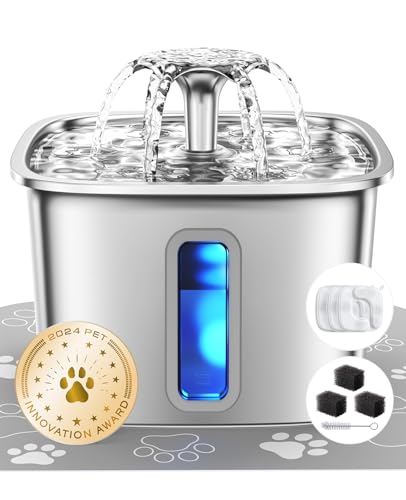
Veken Stainless Steel Cat Water Fountain
$25.49 on Amazon
Supports aging kidneys and helps avoid costly dehydration crises

Purina ONE Senior Dry Cat Food
$17.98 on Amazon
Age-tailored nutrition that supports a healthy, lower-vet-cost senior
The Smartest Move: Plan Before the Crisis
Payment plans are a safety net, but the goal is to need them as little as possible. Two habits make the biggest difference. First, build a dedicated emergency fund of $2,000 to $3,000 by contributing a small amount each month, so you can pay cash and skip interest. Second, keep up twice-yearly senior exams, which catch kidney disease, thyroid problems, and dental issues early, when care is cheaper and less of an emergency. Pairing savings with a pet insurance policy taken out before illness strikes is the most reliable path of all.
Coverage can replace the need for a payment plan.Coverage for accidents, illness, and the chronic conditions that drive the biggest senior-cat vet bills (kidney disease, hyperthyroidism, diabetes). Get a fast, free quote using your cat’s breed, age, and zip, then see your monthly premium before you commit.Sponsored
The Bottom Line
No senior cat should go without care for lack of an upfront lump sum. Ask your clinic early about in-house plans, CareCredit, and Scratchpay so you know your options before you need them. If hardship is severe, charitable funds, teaching hospitals, and staged treatment can bridge the gap. And the surest protection of all is preparation: a steady emergency fund, consistent preventive care, and insurance in place before disease arrives. Plan ahead, and a frightening estimate becomes a manageable monthly number rather than an impossible choice.
This article is educational and does not replace personalized financial or veterinary advice. Loan and credit terms vary, so read every agreement carefully before signing.
Related Guides
- Emergency Vet Fund for Cats - How much to save so you can pay cash.
- Best Pet Insurance for Senior Cats - When coverage beats financing.
- How to Budget for an Aging Cat - A full senior-cat budgeting framework.
Frequently Asked Questions
What is a veterinary payment plan?
A veterinary payment plan lets you spread the cost of treatment over time instead of paying the full bill at once. It usually takes one of three forms: an in-house arrangement directly with your clinic, a third-party pet medical credit line like CareCredit, or an installment lender such as Scratchpay. Each splits a large bill into smaller scheduled payments. For senior cat owners facing kidney, thyroid, or dental costs, a payment plan can turn an unaffordable lump sum into a manageable monthly amount.
Do most vets offer payment plans?
Many do, but not all, and the form varies widely. Larger hospitals and corporate-owned clinics often partner with third-party lenders like CareCredit or Scratchpay rather than offering true in-house billing, because carrying debt is hard for a small practice. Smaller independent vets sometimes extend informal in-house plans to long-standing clients. The only way to know is to ask directly and early, ideally before a crisis, so you understand your options when an aging cat needs sudden care.
What is CareCredit and how does it work for cats?
CareCredit is a healthcare credit card accepted at many veterinary clinics. You apply, and if approved you receive a credit line to cover treatment. It typically offers promotional periods with no interest if you pay the balance in full within a set window, often 6 to 24 months. The catch is steep deferred interest: if you miss the payoff deadline, interest is charged retroactively from the purchase date. It works well only if you can reliably clear the balance in time.
Is Scratchpay different from CareCredit?
Yes. Scratchpay offers simple installment loans rather than a revolving credit card. You choose a payment plan up front, see the total cost clearly, and pay fixed monthly amounts. Checking your rate does not affect your credit score, and some shorter plans carry no interest. The trade-off is that longer plans do charge interest, and approval and terms depend on your credit. Many owners find the transparent, fixed structure easier to manage than a credit card with deferred interest.
What can I do if I cannot afford emergency vet care?
Several options exist. Ask the clinic about payment plans, CareCredit, or Scratchpay on the spot. Apply to charitable funds like RedRover Relief, the Pet Fund, or breed and condition-specific grants. Contact a veterinary school teaching hospital, which often charges less. Look into nonprofit and low-cost clinics for non-emergency follow-up. Crowdfunding can help for large bills. And ask your vet about a staged treatment plan that prioritizes the most urgent, life-saving care first.
Is pet insurance better than a payment plan?
They solve different problems. A payment plan helps you handle a bill you cannot pay all at once, but you still owe the full amount plus any interest. Pet insurance reimburses a large share of covered costs, so you pay far less overall, but it must be in place before your cat gets sick because pre-existing conditions are excluded. For a senior cat already managing a chronic illness, payment plans and savings often matter more, while a younger senior may still benefit from insuring against future disease.
How can I avoid needing a payment plan in the first place?
Build a dedicated emergency fund and stay current on preventive care. Setting aside even $40 to $75 a month into a separate account creates a cushion that lets you pay cash and skip interest charges. Twice-yearly senior exams catch kidney disease, hyperthyroidism, and dental problems early, when treatment is cheaper and less of a crisis. Pairing a savings fund with a pet insurance policy taken out before illness strikes is the most reliable way to stay out of debt.
Need more help with your aging cat?
Browse our guides by topic to find practical solutions.
Wellness Planner — $39