How to Budget for an Aging Cat
A practical budgeting framework for a senior cat: monthly categories, an emergency fund, sinking funds, a sample budget table, and real ways to save.
Caring for an aging cat costs more than caring for a young, healthy one, but the increase rarely arrives in a way you can see coming. It creeps in: an extra vet visit here, a prescription diet there, a heated bed and a water fountain, a recheck panel every six months. None of it is back-breaking on its own, yet together it can quietly outrun a budget that was set years ago when your cat was three.
The fix is a simple, deliberate budget built around how senior cat spending actually behaves. This guide lays out the categories that matter, two savings buckets that prevent nasty surprises, a sample monthly budget you can adapt, and practical ways to trim costs without cutting corners on care.
Budget-Friendly Senior Cat Picks

Purina ONE High Protein Senior Dry Cat Food
$17.98 on Amazon
Age-tailored nutrition that anchors the food budget
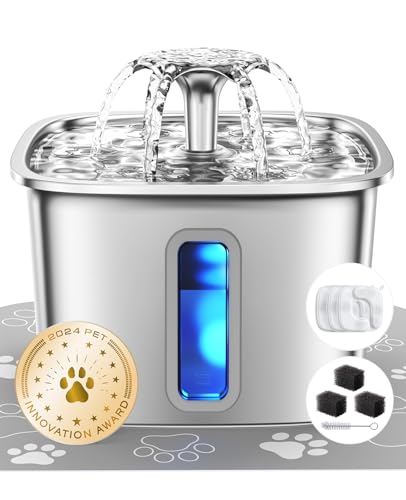
Veken Stainless Steel Cat Water Fountain
$25.49 on Amazon
Encourages drinking to support aging kidneys

EZY DOSE 7-Day Pet Pill Organizer for Cats
$3.16 on Amazon
Keeps daily senior medications sorted and on schedule

IMIPAW Programmable Automatic Cat Feeder
$30.99 on Amazon
Portions consistent meals for a controlled senior diet
Haven Pet Insurance for Senior Cats.Coverage for accidents, illness, and the chronic conditions that drive the biggest senior-cat vet bills (kidney disease, hyperthyroidism, diabetes). Get a fast, free quote using your cat’s breed, age, and zip, then see your monthly premium before you commit.Sponsored
Start With the Five Recurring Categories
A senior cat budget is easiest to manage when you split spending into clear buckets. Five categories cover almost everything that recurs:
- Food: senior dry food, wet food, and any prescription diet, roughly $25 to $70 per month
- Litter and setup: litter, liners, and the occasional low-entry box, roughly $15 to $35 per month
- Veterinary care: twice-yearly exams, bloodwork, and dental work averaged out, roughly $40 to $150 per month
- Supplements and medication: joint chews, omega-3s, and any prescriptions, roughly $10 to $80 per month
- Comfort and mobility: heated beds, fountains, and steps averaged over their life, roughly $8 to $30 per month
Tracking your real spending in these categories for two or three months gives you an honest baseline, which is far more useful than guessing. Once you know your numbers, the budget almost writes itself.
Add Two Savings Buckets
Recurring categories cover the predictable. The two buckets below cover the parts of senior cat ownership that wreck a budget if you ignore them.
The Emergency Fund
An aging cat is more prone to sudden crises than a young one: urinary blockages, kidney flare-ups, heart trouble, or a cancer workup, any of which can run $1,000 to $5,000. Aim to keep at least $2,000 to $3,000 set aside. If that feels out of reach, contribute $40 to $75 per month into a separate account and let it build. Our guide to the emergency vet fund for cats walks through the math.
Sinking Funds for Predictable Big Costs
Some large expenses are not emergencies at all; you can see them coming. A dental cleaning under anesthesia, common in senior cats, runs $400 to $1,200 every year or two. Instead of absorbing that all at once, save $30 to $50 a month into a dedicated dental sinking fund so the money is already there when your vet recommends the procedure.
A policy can replace part of your emergency fund.Coverage for accidents, illness, and the chronic conditions that drive the biggest senior-cat vet bills (kidney disease, hyperthyroidism, diabetes). Get a fast, free quote using your cat’s breed, age, and zip, then see your monthly premium before you commit.Sponsored
A Sample Monthly Budget
Here is how the pieces come together for a healthy cat in the early senior years versus a cat managing a chronic condition. Adjust the figures to your own baseline.
| Category | Healthy senior | Chronic condition |
|---|---|---|
| Food | $35 | $60 |
| Litter and setup | $20 | $25 |
| Veterinary care (averaged) | $45 | $110 |
| Supplements and medication | $15 | $45 |
| Comfort and mobility | $10 | $15 |
| Emergency fund contribution | $50 | $50 |
| Dental sinking fund | $30 | $30 |
| Monthly total | $205 | $335 |
If those totals look steep, remember that roughly $80 of each is going into savings you keep. The pure care cost is lower, and the savings buckets are what turn a future emergency into a non-event. For a number tailored to your cat, run the figures through our senior cat care cost calculator.
Senior Cat Wellness & Care Planner
Track your aging cat's health, meds, vet visits, mobility, nutrition, and quality of life — all in one printable planner.
Ways to Trim the Budget Without Cutting Care
- Buy in bulk and subscribe. Food, litter, and supplements all reward planning ahead with subscribe-and-save discounts.
- Ask about generic medications. Many feline drugs have generic or human-pharmacy equivalents that cost far less.
- Stay current on preventive care. Catching kidney disease or hyperthyroidism early is far cheaper than managing a crisis.
- Learn home-care skills. Brushing teeth, trimming nails, and giving subcutaneous fluids at home cut recurring clinic charges.
- Compare pharmacy prices. Your vet's in-house pharmacy is not always the cheapest source for ongoing prescriptions.
Revisit the Budget as Your Cat Ages
A senior cat budget is not a set-and-forget document. Spending tends to rise as a cat moves from the early senior years into her geriatric teens, so plan to revisit the numbers once or twice a year. When a new diagnosis appears, fold its monthly cost into the relevant category rather than treating it as a separate shock. Built this way, the budget grows with your cat instead of being overrun by her.
The Bottom Line
Budgeting for an aging cat comes down to three moves: split recurring spending into clear categories, fund an emergency cushion and a dental sinking fund alongside it, and revisit the plan as your cat gets older. Do that, and the rising cost of senior care becomes a series of manageable monthly numbers rather than a string of stressful surprises. Your cat has given you years of quiet companionship; a little financial planning lets you return the favor with a comfortable, well-supported old age.
Related Guides
- How Much Does Senior Cat Care Cost Per Month? - The category-by-category cost breakdown behind this budget.
- Emergency Vet Fund for Cats - How much to set aside for the unexpected.
- Best Pet Insurance for Senior Cats - When coverage beats a self-funded cushion.
Frequently Asked Questions
How much should I budget per month for an aging cat?
A realistic monthly budget for a senior cat is $100 to $200 for a healthy cat in the early senior years, rising to $200 or more once a chronic condition like kidney disease or hyperthyroidism is being managed. The figure covers food, litter, supplements, comfort products, and an averaged share of twice-yearly vet visits. Building in a small monthly emergency contribution on top keeps a sudden crisis from derailing your finances.
What categories belong in an aging cat budget?
A complete senior-cat budget has five recurring categories: food, litter and litter setup, routine veterinary care, supplements and medication, and comfort or mobility products. On top of those, two savings buckets matter just as much: an emergency fund for sudden crises and a sinking fund for predictable big costs like a dental cleaning. Splitting spending this way keeps the occasional large bill from feeling like a shock.
How big should a senior cat emergency fund be?
Aim for at least $2,000 to $3,000 set aside for a senior cat, because a single emergency, a urinary blockage, a kidney crisis, or a cancer workup, can run $1,000 to $5,000. If you cannot reach that overnight, build it gradually by contributing $40 to $75 per month into a separate account. Even a few months of saving creates a meaningful cushion, and an aging cat is statistically more likely to need it than a young one.
What is a sinking fund for a cat?
A sinking fund is money you set aside a little at a time for a known future expense, rather than scrambling when the bill arrives. For a senior cat, the classic example is a dental cleaning under anesthesia that runs $400 to $1,200 every year or two. Saving $30 to $50 a month into a dental sinking fund means the cost is already covered when your vet recommends the procedure, turning a stressful bill into a planned one.
How can I save money on senior cat care?
Buy food, litter, and supplements in bulk and use subscribe-and-save discounts, ask your vet whether medications have generic or human-pharmacy equivalents, and stay consistent with preventive care so small problems do not become costly emergencies. Learning home-care skills like brushing teeth, trimming nails, and giving subcutaneous fluids also cuts recurring clinic charges. The single biggest saver is catching disease early through twice-yearly senior exams.
Should I get pet insurance or self-insure my aging cat?
It depends on your cat's current health. A senior cat with no diagnosed conditions can still be insured for future illnesses, which protects you from a large surprise bill. A cat who already has several chronic conditions gets less from insurance, because those would be excluded as pre-existing, so a dedicated savings fund often serves better. Many owners do both: a modest policy for catastrophes plus a small monthly cushion for everyday surprises.
Does caring for an aging cat get more expensive over time?
Generally yes. Spending tends to rise as a cat moves from the early senior years, around 10 to 12, into the geriatric years past 15, driven by more frequent vet visits, additional medications, prescription diets, and comfort products. Building a budget that assumes a gradual increase, rather than a flat cost, keeps the later years from feeling overwhelming and lets you plan upgrades like heated beds or fountains before you need them.
Need more help with your aging cat?
Browse our guides by topic to find practical solutions.
Wellness Planner — $39