Best Senior Cat Food for Weight Loss (2026)
The best senior cat food for weight loss in 2026: calorie-controlled, high-protein diets that trim fat while protecting muscle. Compare safe options for older cats.
Carrying extra weight is hard on an older cat. It strains arthritic joints, raises the risk of diabetes, and makes grooming and jumping difficult. But weight loss in seniors has to be handled with real care, because cutting calories too fast or too hard can trigger a dangerous liver condition and can strip away the muscle aging cats can least afford to lose.
The right food makes a safe diet much easier: calorie-controlled so portions stay reasonable, high in protein so your cat loses fat rather than muscle, and palatable enough that smaller meals do not feel like punishment. Below are research-based picks chosen from ingredient panels, calorie density, and verified owner reviews, not from any hands-on feeding trial.
Best Weight-Loss Foods for Senior Cats

Hill's Science Diet Hill's Science Diet Perfect Weight
$24.97 on Amazon
Calorie-controlled formula designed for steady, healthy fat loss
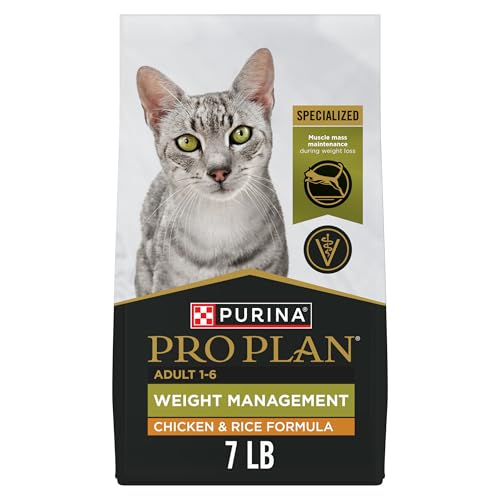
Purina Pro Plan Purina Pro Plan Weight Management
$22.07 on Amazon
High-protein, lower-fat kibble that helps preserve lean muscle

NutriSource NutriSource Senior & Weight Management
$37.59 on Amazon
Senior-specific recipe pairing calorie control with joint support

Purina ONE Purina ONE Indoor Weight Control
$9.78 on Amazon
Affordable lower-fat staple for less active indoor seniors

IAMS IAMS Healthy Weight Adult
$9.88 on Amazon
Budget-friendly reduced-calorie kibble with real chicken

IAMS IAMS Indoor Weight & Hairball Care
$16.97 on Amazon
Combines weight control with fiber for indoor seniors
How We Chose These Foods
We did not conduct a feeding trial. We compared each food on calorie density, protein level, fat content, ingredient quality, and palatability patterns from verified owner reviews, then looked for an AAFCO complete and balanced statement. We favored formulas that keep protein high while trimming calories, because protecting muscle is the part of senior weight loss that off-the-shelf advice most often gets wrong. The list spans premium and budget options so most households can find a fit.
Why Senior Weight Loss Is Different
Helping a young cat slim down is mostly about calories. With seniors there are two extra dangers. The first is hepatic lipidosis: when an overweight cat eats too little or loses weight too fast, the body floods the liver with fat and it can fail. The second is sarcopenia, the muscle loss that comes with age. Aggressive dieting burns muscle alongside fat, leaving a frail cat. A senior plan therefore loses weight slowly and keeps protein high, so the cat ends up lighter but not weaker.
What to Look for on the Label
- Named protein first: Chicken, turkey, or fish should head the ingredient list, not grain or by-product fillers.
- High protein, moderate fat: Protein preserves muscle and satisfies appetite; fat is the calorie-dense part to moderate.
- Sensible calorie density: Check kcal per cup or per can so you can set honest portions.
- Added fiber: Fiber adds bulk and fullness for few calories, which eases the hunger of a smaller portion.
- AAFCO complete and balanced: Confirms the food is a full diet, so cutting calories does not cut nutrients.
Wet, Dry, or Both
Wet food is a quiet advantage for dieting cats. With roughly 75 to 80 percent moisture, it fills the stomach for far fewer calories than the same volume of kibble, so a cat feels fed on less. Dry weight-management formulas are convenient and effective too, but kibble is so calorie-dense that scooping by eye almost guarantees overfeeding. Many owners get the best of both by feeding measured wet meals plus a small, weighed amount of dry. Whatever you choose, measure it.
How to Run the Diet Safely
| Step | What to do |
|---|---|
| Set the target | Calculate calories from ideal weight, with your vet's input |
| Measure meals | Weigh dry food on a scale; split into 2 to 4 meals |
| Go slow | Aim for 1 to 2 percent of body weight lost per week |
| Weigh in | Recheck weight every 2 to 4 weeks and adjust gradually |
| Separate feeders | Feed multi-cat homes apart so the diet sticks |
Use our cat food calculator to estimate a starting calorie target from your cat's weight, then refine it with your veterinarian and your cat's monthly weigh-ins.
Weight-Loss Quick Links
- Hill's Science Diet Perfect Weight - steady, calorie-controlled fat loss
- Purina Pro Plan Weight Management - high-protein muscle protection
- Browse weight-control cat foods on Amazon
The Bottom Line
The best weight-loss food for a senior cat is calorie-controlled and high in protein, fed in measured portions toward a target your vet helps set. Lose the weight slowly, a percent or two of body weight a week, to protect both the liver and the muscle an older cat needs. Wet food helps by filling the bowl for fewer calories, and a kitchen scale beats a scoop every time. Weigh in monthly, adjust gently, and let the trend, not the bag, guide you.
Related Guides
- Weight Management for Older Cats - The full strategy behind safe senior weight loss.
- How Much to Feed a Senior Cat - Calorie targets and portion math.
- Best Wet Food for Older Cats - High-moisture options that fill the bowl for fewer calories.
Senior Cat Wellness & Care Planner
Track your aging cat's health, meds, vet visits, mobility, nutrition, and quality of life — all in one printable planner.
Frequently Asked Questions
What is the best food to help a senior cat lose weight?
The best weight-loss food for an older cat is a calorie-controlled, high-protein diet that keeps muscle while trimming fat, fed in measured portions. Look for named animal protein near the top of the ingredient list, moderate fat, and a sensible calorie density so portions stay satisfying. Wet versions help because the water content fills the stomach for fewer calories. The food matters less than the measured amount, so weigh portions and adjust based on monthly weigh-ins and your vet's guidance.
How fast should a senior cat lose weight?
Slowly. Aim for no more than about one to two percent of body weight per week, which is roughly half a pound a month for a typical cat. Rapid weight loss in cats, especially overweight ones, can trigger hepatic lipidosis, a dangerous and sometimes fatal liver condition. A safe plan trims calories modestly, keeps protein high, and stretches the loss over months. Always coordinate a senior weight-loss plan with your veterinarian before starting.
Should overweight senior cats eat wet or dry food?
Wet food often makes weight loss easier. Its high moisture and lower calorie density let a cat eat a satisfying volume for fewer calories, which reduces begging. Dry weight-management formulas work too and are convenient, but kibble is calorie-dense and easy to overfeed by eye, so measuring is essential. Many owners do best with measured wet meals plus a small, weighed portion of dry. The key in either case is counting calories, not free-feeding.
Why is protein important for a senior cat losing weight?
Older cats are already prone to age-related muscle loss, and cutting calories without enough protein makes a cat burn muscle along with fat. That leaves a lighter but frailer cat, which is the opposite of the goal. A higher-protein, calorie-controlled diet preserves lean mass while the body sheds fat, so your cat ends up lighter and stronger. Protein also helps cats feel full, which makes the smaller portions of a weight-loss plan easier to sustain.
How do I measure weight-loss portions correctly?
Start from your cat's ideal body weight, not its current weight, and use the food's stated calories to set a daily target your vet approves, usually a modest reduction. Weigh dry food on a small kitchen scale rather than scooping by cup, since cups overfeed by a wide margin. Split the daily amount into two to four meals to ease hunger. Recheck your cat's weight every two to four weeks and adjust gradually rather than slashing portions.
My multi-cat household makes dieting hard. What can I help?
Free-fed bowls make weight control nearly impossible because the dieting cat eats the others' food. Switch to measured meals at set times and feed cats in separate rooms or use a microchip feeder that only opens for the right cat. Raising one cat's food onto a surface a heavier cat cannot reach can also help. It takes more effort than a communal bowl, but portion separation is usually the difference between success and a stalled diet.
When is weight loss in a senior cat a medical red flag?
Intentional, gradual loss on a measured diet is good. Unplanned weight loss is not. If an older cat is dropping weight without a diet, or losing faster than your plan intends, that can signal hyperthyroidism, diabetes, kidney disease, or cancer. Sudden refusal to eat is also urgent because of liver risk. Any weight change you did not engineer, in either direction, deserves a veterinary exam with bloodwork rather than a feeding tweak.
Need more help with your aging cat?
Browse our guides by topic to find practical solutions.
Wellness Planner — $39