Mobility Aids for Senior Cats: Complete Guide
The best mobility aids for senior and arthritic cats: ramps, pet steps, non-slip rugs, and low-entry litter boxes. How to choose and use each to keep an older cat moving.
When a cat ages, its world quietly shrinks. The windowsill it used to leap to, the bed it slept on every night, the easy trot across the kitchen floor, all become harder as joints stiffen, muscles weaken, and confidence fades. Mobility aids are how you give that world back, removing the obstacles so a senior cat can keep reaching the places that matter to it.
This guide covers the main categories of mobility aid, ramps and steps, non-slip flooring, and easy-access litter, and how to choose and use each. The picks below were chosen by comparing stability, traction, ease of use, and a broad set of verified owner reviews. We did not test these products in a lab; we evaluated specifications and owner feedback to find options well suited to older cats.
Essential Mobility Aids for Senior Cats

Cozy Tails Cozy Tails Non-Slip Pet Ramp
$37.59 on Amazon
Gentle incline to reach a high bed with no painful jumping

Pawque Pawque Carpeted Pet Stairs
$35.99 on Amazon
Stable, low-rise steps to reach the couch or bed plus a scratching post

RELEANY Non-Slip Washable Area Rug
$33.99 on Amazon
Secure traction on slick hardwood and tile for confident footing
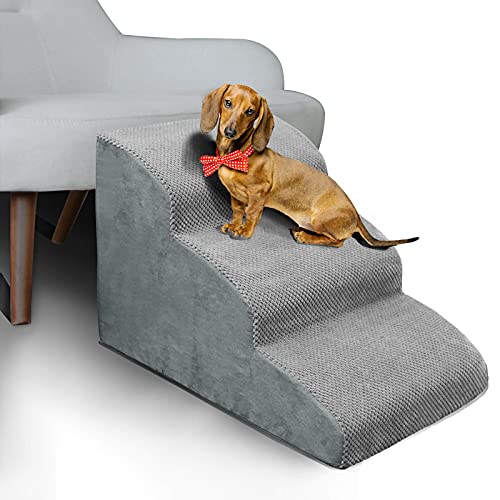
MEJYJEM MEJYJEM High-Density Foam Pet Steps
$25.49 on Amazon
Soft, low foam steps that suit a frail or very stiff senior cat
Ramps and Steps: Bridging the Heights
Jumping is usually the first thing arthritis takes from a cat, and the loss is bigger than it looks. The bed, the couch, and the window perch are not just resting spots, they are where your cat feels safe, warm, and connected to you. Ramps and steps let an older cat keep them.
When to choose a ramp
A ramp suits a cat that finds any jumping or impact painful, because a gentle, gradual incline avoids the jarring landing of a step entirely. Ramps are ideal for the bed or a sofa and for very stiff or frail cats.
When to choose steps
Pet steps work well where you have room for a short staircase and your cat is still comfortable with a modest climb. Low risers, a stable base, and a carpeted, grippy surface make them easy and safe to use.
Non-Slip Flooring: Restoring Confidence
Hard, slick floors are an underrated obstacle. A senior cat with worn claws, weaker grip, and fading balance can find hardwood and tile genuinely frightening, leading it to tiptoe, freeze, or avoid whole rooms. Non-slip rugs and runners laid along your cat's usual paths give secure footing, so your cat moves freely and confidently again. Because better traction also lowers the chance of a fall, this is one of the simplest and most valuable aids you can add, and washable, low-pile options keep it practical.
Easy-Access Litter: Comfort Where It Counts
A litter box with high walls can become a painful climb for an arthritic cat, and the result is often accidents just outside the box, which owners sometimes mistake for misbehavior. A box with a low entry that your cat can step into, roomy enough to turn around in, and placed on every level your cat uses, solves the problem at its source. Keeping the approach non-slip helps too. Easy toileting is a core part of mobility and dignity for an older cat.
Senior Cat Wellness & Care Planner
Track your aging cat's health, meds, vet visits, mobility, nutrition, and quality of life — all in one printable planner.
Helping Your Cat Accept New Aids
Even the best aid does nothing if your cat will not use it, so introduce each one with patience. Place ramps and steps exactly where your cat already wants to go, keep them rock-steady so they never wobble, and lure your cat across or up with treats and praise. Let your cat set the pace, and make sure every surface offers good grip. Most cats learn quickly once they discover the aid leads somewhere they value, like their favorite warm bed or sunny perch.
Aids Work Best Alongside Veterinary Care
Mobility aids make a home kinder, but they do not treat the pain behind reduced mobility. Pair them with veterinary care that addresses the cause, usually a mix of weight management, joint supplements, and feline-specific pain relief such as the monthly Solensia injection. Never give human or dog painkillers, which can be toxic to cats. And treat any new or worsening mobility problem as a reason to see your vet, since early diagnosis of arthritis and other conditions keeps your cat comfortable and moving for far longer.
Related Guides
- Keeping an Arthritic Cat Mobile - The full plan for an arthritic cat.
- Best Cat Ramps - Non-slip ramps compared in detail.
- Best Non-Slip Rugs for Cats - Traction picks for slick floors.
Frequently Asked Questions
What are mobility aids for senior cats?
Mobility aids are products and home modifications that help an aging or arthritic cat keep reaching the places it wants to go without painful jumps, climbs, or slips. The core categories are ramps and steps that bridge heights to furniture, non-slip rugs and runners that give secure footing on slick floors, and low-entry litter boxes that make toileting easy. Together with warm, supportive bedding, these aids remove the everyday obstacles that a stiff senior cat would otherwise struggle with or avoid altogether.
Does my senior cat need a ramp or steps?
Consider one if your cat hesitates before jumping, no longer reaches a favorite perch, lands heavily, or has stopped getting onto the bed or couch it used to love. Ramps suit cats that find any jumping painful, since a gentle incline avoids impact entirely, while pet steps work well where there is room for a short staircase and your cat is comfortable climbing. Either lets an arthritic cat keep its favorite spots, which matters for comfort, security, and quality of life as much as for mobility.
How do non-slip rugs help an older cat?
Slippery hardwood, tile, and laminate are genuinely difficult for a senior cat whose grip, balance, and confidence are fading. Paws skid, claws cannot dig in, and a fearful cat may freeze or refuse to cross open floors. Non-slip rugs and runners laid along your cat's regular routes give secure traction, so your cat moves with confidence instead of tiptoeing or avoiding rooms. Better footing also reduces the risk of a fall, which can be serious for a frail older cat. It is one of the cheapest, highest-impact aids.
What kind of litter box is best for an arthritic cat?
A box with at least one low side or a low-cut entry, so your cat can step in rather than climb over a high wall, makes a real difference for a stiff senior. The box should be large enough for an older, sometimes less flexible cat to turn around comfortably. Place boxes on every level your cat uses and away from slippery approaches. Litter-box accidents in an arthritic cat are often a sign the box is too hard to access, not a behavior problem, so easing entry frequently solves them.
How do I get my cat to use a ramp or steps?
Introduce the aid patiently and make it rewarding. Place it exactly where your cat wants to go, the side of the bed or couch they already use, and keep it stable so it never wobbles, which would scare a cautious senior. Lure your cat across or up with treats or a wand toy, reward each attempt, and let them go at their own pace. A non-slip surface helps them trust their footing. Most cats learn within a few days once they realize the aid leads somewhere they value.
Can mobility aids replace veterinary treatment?
No. Mobility aids make a home kinder and easier, but they do not treat the pain of arthritis or whatever underlies your cat's reduced mobility. Think of aids and veterinary care as partners: the aids remove obstacles while your vet addresses the cause, often with weight management, joint supplements, and modern feline pain control such as the monthly Solensia injection. Never give human or dog painkillers, which can be toxic to cats. The best outcomes come from combining a well-adapted home with proper medical treatment.
When should mobility problems prompt a vet visit?
Any new or worsening difficulty getting around deserves a veterinary assessment, because feline arthritis and other causes are common, painful, and very treatable yet easily missed. See your vet promptly for sudden limping, an inability to jump or climb that appeared quickly, crying when touched, trouble using the litter box, dragging a limb, or any rapid change. Even slow, gradual stiffness is worth raising at a senior wellness check. Aids help most when paired with an early diagnosis and an ongoing treatment plan.
Need more help with your aging cat?
Browse our guides by topic to find practical solutions.
Wellness Planner — $39