Best Non-Slip Rugs for Cats on Hardwood Floors
The best non-slip rugs and runners to give an arthritic or senior cat secure footing on hardwood, tile, and laminate. Washable, low-pile picks plus gripper pads.
Beautiful hardwood and tile floors are a quiet problem for an aging cat. What looks elegant to us is a skating rink to a cat whose joints are stiff and whose footing is less sure than it once was. An arthritic cat braces against the slick surface, slips, and after a scare or two simply stops going certain places. Since a cat that moves less loses the muscle that stabilizes sore joints, traction is not a cosmetic concern; it is part of keeping your cat mobile and confident.
The picks below were selected by comparing pile height, backing and grip, washability, and verified owner feedback. We did not run hands-on lab tests; we evaluated specifications, materials, and a broad set of owner reviews to find rugs and grippers that genuinely help less-agile cats.
Top Non-Slip Rugs & Grippers for Cats

Madane Madane Washable Non-Slip Runner
$18.99 on Amazon
A low-pile washable hallway runner that lets sore paws grip securely

HY HAO YUN LAI Washable 2x6 Hallway Runner Rug
$16.69 on Amazon
Soft, thin, non-slip backing ideal for slick cat travel routes

FXRHLP FXRHLP Washable Area Rug
$23.99 on Amazon
A thin, low-profile washable area rug for living rooms and resting zones
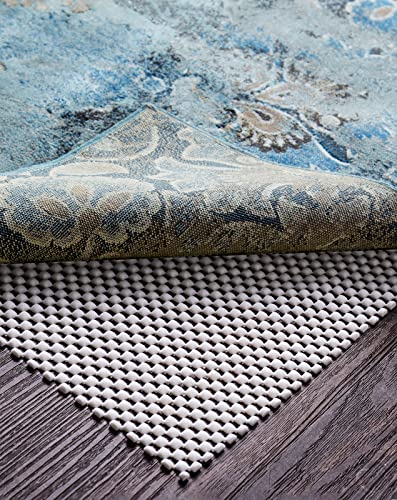
$5.99 on Amazon
Keeps any rug from sliding, removing a tripping hazard for wobbly cats
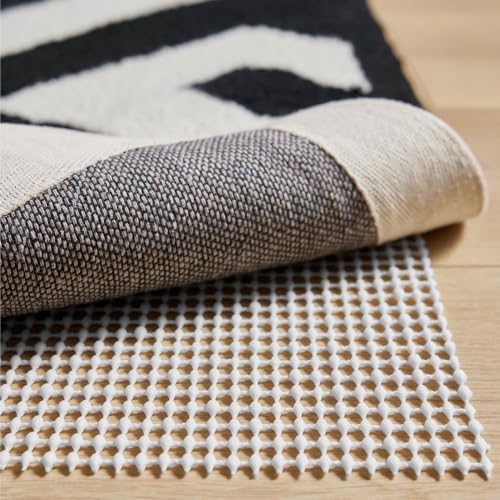
GORILLA GRIP Gorilla Grip Rug Pad
$7.89 on Amazon
A strong gripper that anchors area rugs flat on hard floors
How We Chose
For a less-agile cat, the right rug does its job invisibly: it stays put, sits flat, and gives claws something to hold. We focused on the features that deliver that:
- Grip: A rubberized non-slip backing, or pairing with a gripper pad, so the rug does not slide when a cat plants their feet.
- Low pile: A short, dense surface a cat can walk and grip without catching claws, and that sits flat with no lip to trip on.
- Washability: Machine-washable construction, since senior cats are more prone to accidents and hairballs.
- Coverage: Runner shapes for hallways and travel routes, area shapes for living rooms and resting zones.
Why Traction Matters So Much
Picture an arthritic cat approaching a slick floor. The joints are already sore, so the cat moves cautiously, and the lack of grip forces them to tense and brace. One slip teaches the cat that this surface is dangerous, and cats are excellent at avoiding what frightens them. The result is a cat who stops crossing the kitchen to reach the water bowl, or who hesitates to come greet you. Restoring grip removes the fear, and a confident cat keeps moving, which keeps muscle on the joints. It is a small change with outsized effect on daily comfort and activity.
Senior Cat Wellness & Care Planner
Track your aging cat's health, meds, vet visits, mobility, nutrition, and quality of life — all in one printable planner.
Runners vs. Area Rugs vs. Gripper Pads
| Type | Best Placement | Why It Helps |
|---|---|---|
| Runner rug | Hallways, travel routes | Covers the paths a cat uses most, in a long narrow shape |
| Area rug | Living rooms, resting zones | Grippy surface where cats lounge, start, and turn |
| Gripper pad | Under any existing rug | Stops rugs sliding and corners curling |
Placing Rugs Where They Count
You do not need to carpet the whole house. Focus on where cats start, stop, and turn, because that is where they slip. The highest-value spots are the approach and landing zones beside any furniture your cat still climbs onto, the area around food and water bowls, the floor in front of the litter box, and any slick hallway your cat travels to get between these places. Connect those points with runners and you cover the routes that matter without redecorating.
A Few Practical Tips
- Keep rugs flat and lip-free; even a small curled edge can catch a less-coordinated paw.
- Wash on a schedule, since odor or staining can make a cat avoid the rug entirely.
- Anchor every rug with a gripper if its own backing is not strongly non-slip.
- Watch how your cat uses the space for a week and add a runner anywhere they still hesitate.
The Bottom Line
Non-slip rugs are one of the cheapest, fastest improvements you can make for a senior cat on hard floors, and the difference in their confidence is often visible within days. Remember that traction solves one obstacle, not the underlying arthritis, so pair rugs with veterinary care, easy litter access, steps to high places, and a warm bed. This guide is informational; if your cat is slipping or struggling to move, a veterinary exam is the right companion step.
Related Guides
- How to Help an Arthritic Cat - A full room-by-room modification guide.
- Best Cat Stairs for Beds - Steps to keep high spots reachable.
- Arthritis in Senior Cats - The condition behind most senior mobility loss.
Frequently Asked Questions
Why do senior cats struggle on hardwood floors?
Slick hardwood, tile, and laminate give a cat nothing to grip, and an arthritic or aging cat already has less coordination and confidence in their joints. They brace, slip, and sometimes splay or fall, which is frightening and painful. After a slip or two, many cats avoid the area entirely, moving less and losing the muscle that supports sore joints. Traction restores their confidence.
What kind of rug is best for an arthritic cat?
Look for a low-pile, washable rug or runner with a non-slip backing, or pair any rug with a separate gripper pad. Low pile lets a cat walk and grip easily without catching claws, and washability matters because senior cats sometimes have accidents. Place runners along the routes your cat travels most: between the bed, food, water, and the litter box.
Do I need a rug pad under a non-slip rug?
If the rug already has a strong rubberized backing, you may not. But a rug pad or gripper is cheap insurance, because a rug that slides underfoot is its own hazard for a wobbly cat. Grippers also stop rug corners from curling, which a cat can trip on. For larger area rugs especially, a separate pad keeps everything anchored.
Where should I put non-slip rugs for my cat?
Prioritize the high-traffic paths and the spots where cats start, stop, and turn: around food and water bowls, in front of the litter box, beside beds and sofas your cat climbs onto, and along slick hallways. The takeoff and landing zones near furniture matter most, since that is where a cat plants their feet and is most likely to slip.
Are washable rugs worth it for senior cats?
Yes. Senior cats are more prone to litter-box accidents, vomiting hairballs, and tracking, so a rug you can throw in the washing machine is far more practical than one you have to spot-clean or replace. Many low-pile washable runners are also thin enough to sit flat without creating a lip that a less-mobile cat could catch a paw on.
Can rugs alone fix my cat's mobility problems?
Rugs solve the traction problem, which is a real and common obstacle, but they do not treat the arthritis or weakness underneath. They work best as one part of a fuller approach that includes veterinary pain control, steps or ramps to high places, a low-entry litter box, and a warm bed. If your cat is slipping or struggling, see your vet as well.
Need more help with your aging cat?
Browse our guides by topic to find practical solutions.
Wellness Planner — $39