Cat Diapers for Incontinence: A Senior Cat Guide
How and when to use cat diapers for an incontinent senior cat, disposable vs washable, preventing urine scald, and gentler alternatives that protect your home.
When a senior cat starts leaking urine they cannot control, a cat diaper seems like the obvious answer. Diapers do have a role, but they are a targeted tool rather than an all-day fix, and using them well means understanding their limits as much as their uses. Done thoughtfully, they protect your home and your cat during the times that need it most, without harming the skin.
This guide explains when cat diapers help, how to use them safely, the difference between disposable and washable options, and the gentler bedding-based alternatives many owners rely on more. We did not run hands-on lab tests; we evaluated specifications and a broad set of owner reviews.
Diapers and Gentler Home Protection
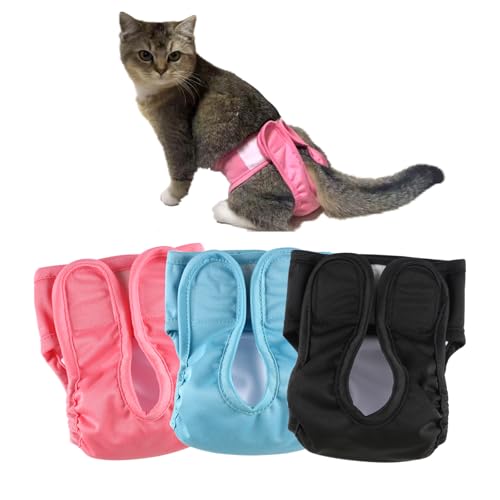
Hi Sprout Hi Sprout Reusable Cat Diapers
$15.29 on Amazon
Washable, adjustable diapers for overnight or persistent leaking

Hartz Hartz Comfitables Cat Diapers
$17.27 on Amazon
Disposable diapers convenient for travel and overnight use
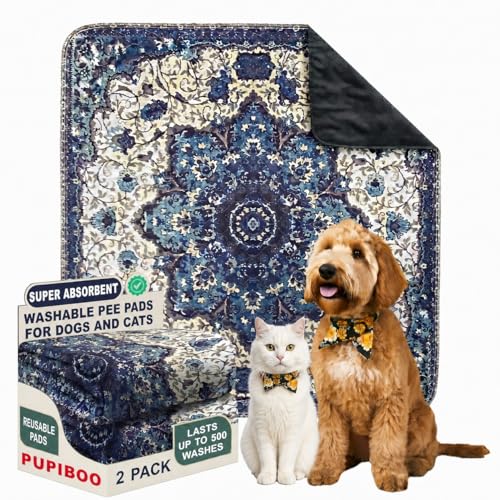
PUPIBOO Washable Waterproof Pads for Cats
$24.41 on Amazon
Reusable leak-proof pads for resting spots and under bedding

Nature's Miracle Nature's Miracle Urine Destroyer
$9.67 on Amazon
An enzymatic cleaner for accidents on floors and surfaces
See Your Vet First
Before reaching for diapers, it is essential to understand that true incontinence in a senior cat is almost always a symptom of an underlying medical condition: chronic kidney disease, diabetes, a urinary tract infection, bladder stones, or a neurological problem, among others. Many of these are treatable, and addressing the cause may reduce or stop the leaking altogether. A diaper only manages the symptom. Use it as part of a plan guided by your veterinarian, not as a replacement for getting your cat properly diagnosed.
Haven Pet Insurance for Senior Cats.Coverage for accidents, illness, and the chronic conditions that drive the biggest senior-cat vet bills (kidney disease, hyperthyroidism, diabetes). Get a fast, free quote using your cat’s breed, age, and zip, then see your monthly premium before you commit.Sponsored
When Cat Diapers Help
Diapers are best thought of as targeted protection for specific situations rather than a constant accessory. They earn their place for:
- Overnight use: Protecting bedding while your cat sleeps deeply and may leak.
- Travel and vet trips: Keeping carriers and car seats clean on the move.
- Persistent leaking: Short, supervised periods for a cat whose leaking continues despite treatment.
- Confined recovery: Limited use during a recovery period, on veterinary advice.
Using Diapers Safely
The single biggest risk with cat diapers is urine scald, which happens when urine sits against the skin and causes redness, irritation, and eventually painful sores that can become infected. Prevent it with a few firm rules: never leave a diaper on around the clock, change it frequently before it saturates, and at each change gently clean the area with unscented pet wipes and pat it dry. Keep the fur around the back end trimmed short so urine does not wick and linger, and give plenty of diaper-free time on a washable pad. Check the skin often, and stop if you see any redness.
Sizing and Fit
A diaper that is too loose leaks and one that is too tight is uncomfortable and traps moisture against the skin. Measure your cat and follow the brand's sizing, and look for an adjustable fit with an opening that accommodates the tail. A good fit makes the difference between a tool that helps and one your cat constantly tries to remove.
Senior Cat Wellness & Care Planner
Track your aging cat's health, meds, vet visits, mobility, nutrition, and quality of life — all in one printable planner.
Disposable Versus Washable
Disposable diapers are convenient and hygienic, ideal for travel, overnight use, or stretches when laundry is hard to keep up with, but they cost more over time and create waste. Washable, reusable diapers are more economical and eco-friendly but need regular laundering. Many owners keep both on hand: reusables for routine use and disposables for trips or busy weeks. Whichever you choose, frequent changes and correct sizing matter far more than the type.
Gentler Alternatives Many Owners Prefer
Because diapers carry skin risks and not every cat tolerates them, a lot of owners lean more on protecting the environment than the cat. Washable, waterproof pads placed in favorite resting spots and under bedding catch leaks, waterproof covers shield furniture and mattresses your cat shares, and an enzymatic cleaner handles floor accidents. These protect your home without putting anything on your cat's body. A common, comfortable approach is protected bedding day to day, with diapers reserved only for sleep, travel, or other specific times.
The Bottom Line
Cat diapers are a useful, targeted tool for managing senior cat incontinence, not an all-day solution and never a substitute for veterinary diagnosis. Use them for specific times, change them often, guard the skin against urine scald, and lean on washable pads and waterproof covers for everyday protection. With the underlying cause addressed by your vet and a thoughtful management routine, most incontinent cats stay clean, comfortable, and content. This guide is educational and complements, rather than replaces, veterinary care.
Related Guides
- Senior Cat Incontinence - Medical causes and full daily management.
- Senior Cat Litter Box Problems - Telling incontinence from access issues.
- Best Low-Entry Litter Boxes - Easy access that reduces accidents.
Frequently Asked Questions
Do cat diapers work for incontinent senior cats?
Cat diapers can help in specific situations, such as overnight protection or for a cat with persistent leaking, but they are a management tool, not a cure and not for constant wear. They catch urine and sometimes stool to protect bedding and furniture, but they must be changed frequently and the skin kept clean and dry. Many owners find that protected, washable bedding does more of the day-to-day work, with diapers reserved for particular times like sleep or travel.
Are cat diapers safe to use all day?
No, diapers should not be left on around the clock. A diaper traps moisture against the skin, and prolonged contact with urine causes irritation and urine scald, which can progress to painful sores and infection. If you use diapers, change them frequently, clean and dry the skin at each change, and give generous diaper-free time on washable pads. Think of diapers as targeted protection for specific periods rather than an all-day solution for incontinence.
Should I see a vet before using cat diapers?
Yes. True incontinence in a senior cat is almost always caused by an underlying medical condition such as kidney disease, diabetes, a urinary tract infection, bladder stones, or a neurological problem, and many of these are treatable. Diapers only manage the symptom. A veterinary workup identifies and addresses the cause, which may reduce or stop the leaking. Use diapers as part of a plan guided by your vet, not as a substitute for diagnosis.
Disposable or washable cat diapers, which is better?
Both have a place. Disposable diapers are convenient and hygienic for travel, overnight use, or when you cannot keep up with laundry, but they create ongoing cost and waste. Washable, reusable diapers are more economical over time and reduce waste, but require regular laundering. Many owners keep both: reusables for routine use and disposables for trips or busy stretches. Whichever you choose, correct sizing and frequent changes matter more than the type.
How do I prevent urine scald with cat diapers?
Urine scald is the main risk, so prevention is key. Change diapers frequently before they become saturated, and at each change gently clean the area with unscented pet wipes and pat it dry. Keep the fur around the back end trimmed short so urine does not wick and linger. Give plenty of diaper-free time on washable pads, and check the skin regularly for redness. If you see irritation or sores, stop and contact your veterinarian.
Are there alternatives to diapers for an incontinent cat?
Yes, and many owners rely on them more than diapers. Washable, waterproof pads placed in resting spots and under bedding catch leaks, while waterproof covers protect furniture and mattresses your cat shares. An enzymatic cleaner handles accidents on floors. These protect your home without putting anything on your cat's body, avoiding the skin risks of diapers. Most owners use a combination, leaning on protected bedding day to day and diapers only for specific times.
Need more help with your aging cat?
Browse our guides by topic to find practical solutions.
Wellness Planner — $39