Senior Cat Incontinence: Causes and Daily Management
Understand senior cat incontinence, its medical causes, and how to manage it with washable pads, waterproof covers, and cat diapers while you treat the cause.
Finding a damp patch where your older cat was napping, or noticing your cat leaks while they sleep, can be unsettling. Unlike a missed litter box, true incontinence is involuntary. Your cat is not choosing where to go and is often unaware it happened at all. The good news is that incontinence is a symptom with identifiable causes, most of them manageable, and a handful of simple tools make daily life clean and comfortable.
This guide explains what drives incontinence in senior cats, how to tell it apart from access or behavior problems, when to involve your veterinarian, and the practical products and routines that keep your cat dry, your home protected, and your bond strong.
Incontinence Management Essentials
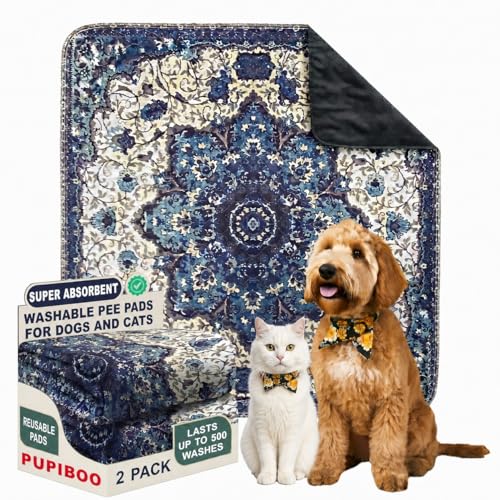
PUPIBOO Washable Waterproof Pads for Cats
$24.41 on Amazon
Reusable, leak-proof pads for resting spots and bedding
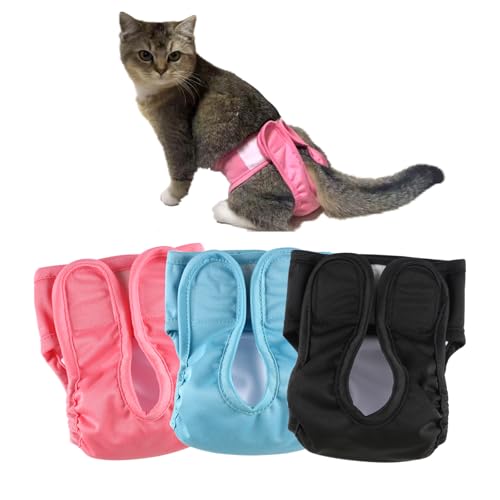
Hi Sprout Reusable Cat Diapers
$15.29 on Amazon
Washable, adjustable diapers for overnight or persistent leaking
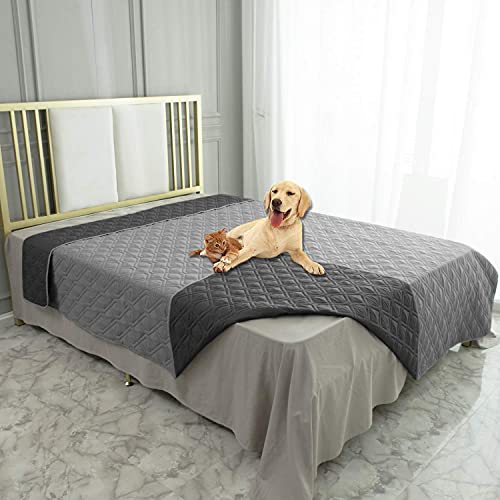
Ameritex Waterproof Furniture and Bed Cover
$16.14 on Amazon
Protects couches and beds your cat shares from leaks

Nature's Miracle Cat Enzymatic Urine Eliminator
$9.67 on Amazon
Breaks down odor on floors so spots are not revisited
What Incontinence Actually Means
Incontinence is the involuntary loss of urine, and sometimes stool, that the cat cannot control and is often unaware of. It is different from a cat who consciously eliminates outside the box because the box hurts to enter, is dirty, or is hard to reach. The classic sign of true incontinence is leaking during sleep or rest, leaving a damp patch on bedding while the cat lies undisturbed. Telling the two apart guides everything that follows, and your veterinarian can help confirm which you are seeing.
Medical Causes to Investigate
Because incontinence is involuntary, it nearly always traces to an underlying medical issue that deserves a veterinary workup.
Chronic Kidney Disease and Other High-Volume Conditions
Chronic kidney disease is common in senior cats and makes the kidneys produce a larger volume of dilute urine. Diabetes and hyperthyroidism similarly increase thirst and urination. When the bladder fills faster and fuller, leaking and overflow become more likely, especially during rest. These conditions are diagnosed with bloodwork and a urinalysis and are manageable, often for years.
Urinary Tract Infections and Bladder Stones
Infections and stones irritate the bladder, cause urgency, and can lead to leaking. They are identified with urine testing and imaging and are typically treatable, which may resolve the incontinence entirely.
Neurological and Arthritic Changes
The nerves that control the bladder can be affected by spinal changes, injury, or disease, weakening the cat's control. Severe arthritis can also blur the line between true incontinence and a cat who simply cannot posture or reach the box in time. Your vet can sort out the contribution of each.
Haven Pet Insurance for Senior Cats.Coverage for accidents, illness, and the chronic conditions that drive the biggest senior-cat vet bills (kidney disease, hyperthyroidism, diabetes). Get a fast, free quote using your cat’s breed, age, and zip, then see your monthly premium before you commit.Sponsored
When to See Your Veterinarian
Any new incontinence in a senior cat warrants a veterinary visit. You can begin protecting bedding and surfaces right away, but identifying the cause is what determines whether the leaking can be reduced or stopped. A typical workup includes a urinalysis to check for infection, blood work to evaluate kidney function and blood sugar, and a physical and neurological exam. Imaging such as an ultrasound may be added if stones or structural issues are suspected. Bring notes on when the leaking happens, how much your cat drinks, and any other changes.
Daily Management Tools
Whatever the cause, the right products turn incontinence into a routine rather than a crisis.
Washable Waterproof Pads
Reusable, absorbent, waterproof pads are the backbone of incontinence management. Place them in your cat's favorite sleeping spots, under bedding, and on any surface your cat frequents. Keep a rotation of several so a clean, dry pad is always ready while others are in the wash.
Waterproof Covers for Furniture and Beds
If your cat shares a couch or your bed, a waterproof cover protects the cushion or mattress underneath. These create an invisible barrier that keeps expensive furniture dry and saves you from repeated deep cleaning.
Cat Diapers, Used Selectively
Washable cat diapers help for overnight protection or for a cat with persistent leaking, but they are not for round-the-clock wear. Change them frequently, clean and dry the skin at each change, and give generous diaper-free time on a washable pad. Left on too long, a diaper traps moisture and causes skin damage, so many owners lean more on protected bedding than on diapers.
Protecting the Skin
Urine sitting against skin causes urine scald, which appears as redness, irritation, and eventually open sores that can become infected. Prevention is easier than treatment. Gently clean your cat with unscented pet wipes, pat the area dry, and keep the fur around the back end trimmed short so urine does not wick and linger. Check the skin regularly for redness, and call your veterinarian if you see irritation or sores developing.
Senior Cat Wellness & Care Planner
Track your aging cat's health, meds, vet visits, mobility, nutrition, and quality of life — all in one printable planner.
Keeping Perspective
Incontinence can feel like a heavy turn in your cat's care, but it is rarely a quality-of-life issue for the cat itself. The inconvenience falls mainly on you as the caregiver, and that is exactly where good tools and a steady routine make the biggest difference. Set up a few protected resting spots, keep a rotation of washable pads, clean accidents with an enzymatic cleaner, and stay on top of the underlying medical condition with your veterinarian. Many incontinent cats remain comfortable, affectionate, and engaged with life for a long time. Your willingness to adapt is one of the kindest things you can offer an aging companion.
Related Guides
- Senior Cat Litter Box Problems - Telling incontinence from access issues.
- Senior Cat Not Using the Litter Box - Vet-first troubleshooting.
- Litter Box Placement for Arthritic Cats - Easy access for cats with mobility loss.
Frequently Asked Questions
What causes incontinence in senior cats?
True incontinence in older cats, meaning involuntary leaking the cat is unaware of, has several medical causes. The most common are chronic kidney disease and other conditions that greatly increase urine volume, urinary tract infections, bladder stones, diabetes, and neurological problems affecting the nerves that control the bladder, sometimes from arthritis or spinal changes. Because the causes are medical, incontinence in a senior cat always warrants a veterinary workup rather than home management alone.
Is my senior cat's leaking incontinence or a behavior problem?
The distinction matters. True incontinence is involuntary, often happening while the cat sleeps or rests, with the cat unaware it occurred. Behavioral or access-related accidents involve a cat who consciously eliminates, usually because the box hurts to enter, is dirty, or is hard to reach. Your veterinarian can help tell them apart, but leaking during sleep and damp bedding point toward true incontinence, which needs a medical evaluation.
Can incontinence in cats be treated?
Often the underlying cause can be managed even when the leaking itself cannot be fully cured. Urinary tract infections respond to antibiotics, bladder stones can be addressed, diabetes and kidney disease have established treatments, and some neurological cases improve with medication. Where leaking persists, management tools like washable pads, waterproof covers, and cat diapers keep your cat clean and comfortable while the medical side is handled.
Should I use diapers on an incontinent cat?
Cat diapers can help in specific situations, such as overnight protection or a cat with persistent leaking, but they are not for constant wear. A diaper left on too long traps moisture against the skin and causes urine scald and irritation. If you use them, change frequently, clean and dry the skin at each change, and give plenty of diaper-free time on washable pads. Many owners rely more on protected bedding than on diapers.
How do I protect my home and bedding from cat leaks?
Layer your defenses. Place washable, waterproof pads in your cat's favorite resting spots and under bedding, use waterproof covers on furniture and beds your cat shares, and keep an enzymatic cleaner on hand for accidents on floors. Rotate several washable pads so clean ones are always ready. These tools turn incontinence from a constant cleanup crisis into a manageable daily routine.
How do I prevent urine scald on an incontinent cat?
Urine against skin causes redness, irritation, and eventually sores, a condition called urine scald. Prevent it by keeping the area clean and dry: gently wipe the cat with unscented pet wipes, pat dry, and watch for any redness. Keep the fur around the back end trimmed short so urine does not wick and sit. If you notice irritation or sores, contact your veterinarian, as the skin can become infected.
Is incontinence a sign my cat is near the end of life?
Not on its own. Incontinence is a symptom of an underlying condition, and many of those conditions are manageable for a long time. Plenty of incontinent cats are otherwise comfortable and engaged with life. The right response is to identify and treat the cause with your veterinarian, then use good management tools so the leaking does not diminish your cat's quality of life or your bond.
Need more help with your aging cat?
Browse our guides by topic to find practical solutions.
Wellness Planner — $39