Old Cat Shaking or Trembling: Causes
Trembling in a senior cat can mean cold, pain, low blood sugar, or metabolic disease. Learn the causes, the emergency red flags, and how to keep an older cat warm and comfortable.
Catching your senior cat shaking or trembling naturally makes you worry. Sometimes the explanation is as simple as a cold room, but trembling can also be one of the quiet ways a cat shows pain or signals a problem with its blood sugar or other body systems. Because cats hide illness so well, an unexplained tremor deserves a thoughtful look rather than a quick dismissal.
This guide walks through the common and serious causes of shaking in older cats, how to tell simple shivering from something that needs attention, and the warning signs that mean you should act fast. It is educational and meant to support, not replace, your veterinarian's care.
Warmth & Comfort Picks for a Trembling Cat

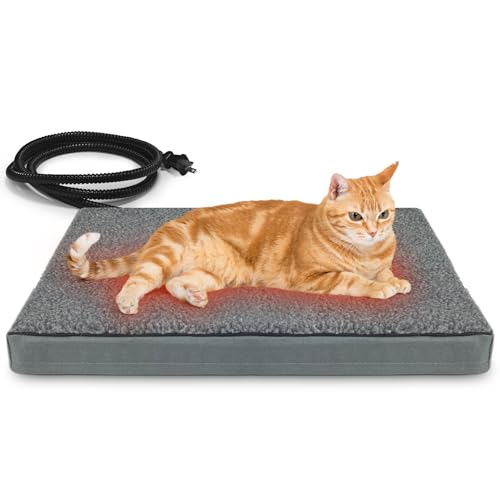
K&H Pet Products Heated Cat Bed
$36.99 on Amazon
Gentle warmth for a senior cat that shivers in cool rooms

$29.59 on Amazon
Cushioned support eases the joint pain that can cause trembling

The Common Causes of Trembling
Shaking is a symptom with a wide range of explanations. In older cats, the following are among the most frequent.
- Cold: Senior cats carry less fat and muscle and feel chills more keenly. Shivering that stops once the cat is warm is often simply this.
- Pain: Arthritis, dental disease, and abdominal discomfort can all cause trembling in a cat that hides pain well.
- Anxiety or fear: A stressful event, loud noise, or vet visit can produce temporary trembling.
- Low blood sugar: Hypoglycemia, especially in diabetic cats on insulin, can cause shaking and weakness and is an emergency.
- Metabolic disease: Kidney disease, hyperthyroidism, and other conditions cause muscle weakness and tremor.
- Neurological problems: Tremors with circling, head tilt, or unsteadiness point to the nervous system.
Telling Simple Shivering From a Problem
A useful first question is whether the trembling resolves when the obvious trigger is removed. If your cat shivers in a chilly room and settles once warm and cozy, cold was likely the cause. If the trembling continues in a comfortable room, appears for no clear reason, or comes with other signs, it is more likely to be pain or a medical issue and warrants a veterinary look.
Pay attention to the company the tremor keeps. Trembling alongside hiding, a hunched posture, reluctance to jump, reduced grooming, or sensitivity when touched in one area suggests pain. Trembling with increased thirst, weight loss, or appetite changes points toward metabolic disease.
Haven Pet Insurance for Senior Cats.Coverage for accidents, illness, and the chronic conditions that drive the biggest senior-cat vet bills (kidney disease, hyperthyroidism, diabetes). Get a fast, free quote using your cat’s breed, age, and zip, then see your monthly premium before you commit.Sponsored
When Shaking Is an Emergency
Some situations call for immediate veterinary care rather than watchful waiting.
- Collapse or seizures: Whole-body shaking with loss of awareness or falling over.
- A diabetic cat acting strange: Trembling, weakness, or disorientation after insulin can mean dangerously low blood sugar. Rub honey or corn syrup on the gums and call for help at once.
- Disorientation or unsteadiness: A cat that seems drunk, circles, or cannot balance.
- Breathing trouble or repeated vomiting: Either alongside trembling needs urgent attention.
- Abnormal temperature: A body temperature that is very low or very high.
Senior Cat Wellness & Care Planner
Track your aging cat's health, meds, vet visits, mobility, nutrition, and quality of life — all in one printable planner.
Keeping Your Cat Warm and Comfortable
For a cat that simply feels the cold, comfort measures make a real difference.
- Offer a heated bed: A pet-safe heated or self-warming bed gives a reliable warm spot.
- Eliminate drafts: Move resting spots away from doors and windows and add soft, insulating bedding.
- Raise the room temperature: Older cats appreciate a slightly warmer home than younger ones.
- Provide easy access: Make warm spots reachable without a difficult jump for an arthritic cat.
How the Cause Is Diagnosed
Your veterinarian will start with a full physical exam, taking your cat's temperature, checking for painful areas, and assessing the nervous system. Bloodwork and a urine test screen for kidney disease, diabetes, hyperthyroidism, and low blood sugar, and a blood pressure reading checks for hypertension. Further imaging or testing may follow depending on what turns up. Sorting out whether the tremor is from cold, pain, a metabolic issue, or a neurological cause is exactly what makes treatment effective.
Trembling is your cat's way of flagging that something is off, whether that something is a cold draft or a problem inside the body. The right response is to make your cat warm and comfortable while getting a veterinary opinion on anything that does not resolve, because the causes that matter most respond best to early care.
Related Guides
- Signs Your Old Cat Is in Pain - How trembling fits the picture of feline pain.
- Diabetes in Senior Cats - Why low blood sugar can cause shaking.
- Kidney Disease in Senior Cats - A common cause of weakness in older cats.
Frequently Asked Questions
Why is my old cat shaking or trembling?
Trembling in a senior cat can come from many sources, some minor and some serious. Common causes include being cold, pain, anxiety or fear, low blood sugar, and the muscle weakness that comes with conditions like kidney disease, hyperthyroidism, or diabetes. Older cats also feel temperature changes more keenly as they lose body condition. Because shaking can signal pain or a metabolic problem rather than simple cold, persistent or unexplained trembling in an older cat deserves a veterinary exam.
Is trembling in cats a sign of pain?
It can be. Cats are stoic and hide discomfort well, so trembling, along with hiding, a hunched posture, reduced grooming, reluctance to jump, and a tense face, may be one of the few outward signs that an older cat is hurting. Arthritis, dental pain, and abdominal problems are common pain sources in seniors. If your cat trembles and also moves stiffly, avoids being touched in a spot, or has changed its habits, treat it as possible pain and have your veterinarian examine it.
Can low blood sugar make a cat shake?
Yes. Hypoglycemia, or low blood sugar, can cause trembling, weakness, disorientation, and in severe cases seizures. It is most often seen in diabetic cats that have received too much insulin relative to what they have eaten, but it can also occur with certain illnesses. If a diabetic cat trembles, acts drunk, or becomes weak, rub a little honey or corn syrup on the gums and contact your veterinarian or an emergency clinic immediately, as this can become life-threatening quickly.
Is it normal for senior cats to shiver when cold?
Older cats do feel the cold more than younger ones because they often carry less body fat and muscle, have lower activity, and may have conditions that affect their ability to stay warm. Mild shivering in a genuinely cold room that stops once the cat is warm can be normal. The fix is a warm, draft-free resting spot, ideally a heated or well-insulated bed. If trembling continues after your cat is warm, or appears in a comfortable room, look for another cause.
When is shaking in a cat an emergency?
Seek urgent care if trembling comes with collapse, seizures, disorientation, difficulty breathing, repeated vomiting, a very low or very high body temperature, or if your cat seems suddenly weak or unresponsive. Whole-body tremors that will not stop, or shaking in a diabetic cat that may have had too much insulin, are emergencies. Trembling alongside any neurological signs such as circling, head tilt, or unsteadiness also warrants prompt evaluation rather than waiting to see if it passes.
How is the cause of trembling diagnosed?
Your veterinarian starts with a thorough physical exam, checking body temperature, looking for pain, and assessing the nervous system. Bloodwork and a urine test screen for kidney disease, diabetes, hyperthyroidism, and low blood sugar, while blood pressure is measured to catch hypertension. Depending on findings, imaging or further tests may follow. Pinpointing whether the tremor stems from cold, pain, a metabolic issue, or a neurological cause is what allows targeted, effective treatment.
Can old age alone cause tremors in cats?
Some senior cats develop mild, fine tremors, often in the head or limbs, that do not seem tied to a specific illness, much as some older people do. However, age is never a safe assumption until treatable causes have been ruled out, because pain, hyperthyroidism, high blood pressure, and kidney disease are all common in older cats and all can cause trembling. Have your veterinarian evaluate a new tremor first, then, if nothing treatable is found, manage it with comfort and monitoring.
Need more help with your aging cat?
Browse our guides by topic to find practical solutions.
Wellness Planner — $39