Dental Treats vs Brushing for Senior Cats
Dental treats vs brushing for senior cats: which actually protects aging teeth, how each works, what the VOHC seal means, and the routine that works best.
Dental disease is one of the most common and most underestimated problems in older cats. By the time a cat reaches its senior years, the odds of painful tartar, gum inflammation, or resorptive lesions are high, and because cats are masters at hiding mouth pain, the trouble often goes unnoticed until eating becomes difficult. Two home-care tools compete for your attention: dental treats and brushing.
They are not equals. This guide explains what each one genuinely does for an aging cat's mouth, where treats fall short, and how to build a realistic routine that actually protects your senior cat's teeth.
Senior Cat Dental Care Picks

Tartar Shield VOHC Dental Treats for Cats
$13.99 on Amazon
Crunchy texture clinically shown to reduce plaque and tartar

Greenies Vet-Recommended Dental Treats
$10.99 on Amazon
Natural dental chews to help freshen a senior cat's breath

Petrodex Cat Toothbrush & Toothpaste Kit
$9.82 on Amazon
Enzymatic toothpaste with a soft brush for true plaque removal
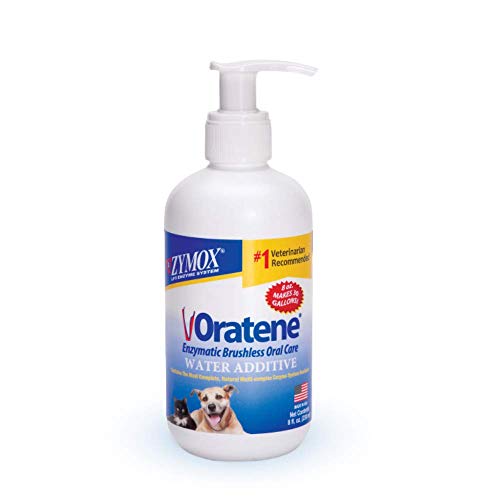
Oratene Enzymatic Dental Water Additive
$25.79 on Amazon
No-fuss water additive for cats who refuse brushing
Quick Verdict
Brushing wins. Daily brushing with a pet enzymatic toothpaste is the single most effective thing you can do at home, because it removes plaque before it hardens and reaches the gum line where disease begins. Dental treats are a worthwhile supplement, not a replacement: they help on the chewing surfaces and freshen breath, and they are far better than nothing for a cat who will not be brushed. The best routine combines whatever your cat tolerates with regular professional cleanings.
The Practical Answer
Brush if you possibly can, even a few times a week. If your senior cat refuses, layer up the no-touch options: VOHC dental treats, an enzymatic water additive, and a smear-on dental gel. None of it replaces a veterinary cleaning, which is the only way to remove hardened tartar.
The Case for Brushing
Brushing is the only home-care method that mechanically disrupts the plaque biofilm and cleans along the gum line, which is exactly where periodontal disease takes hold. Used with a pet enzymatic toothpaste, it is the closest you can get to professional-level prevention between cleanings.
Advantages for Senior Cats
- Removes plaque physically before it mineralizes into tartar
- Reaches the gum line, the area treats cannot touch
- No added calories, important for a senior on a controlled diet
- Lets you spot trouble early, like red gums or a sore tooth
Things to Watch
- Use a cat-specific toothpaste only; human paste is toxic to cats
- Introduce slowly, since an older cat needs patience to accept it
- If brushing causes pain, stop and see your vet for dental disease
The Case for Dental Treats
Dental treats reduce plaque and tartar through an abrasive texture, sometimes boosted with enzymes, and they freshen breath. Products bearing the Veterinary Oral Health Council (VOHC) seal have met a recognized standard for slowing buildup, so look for that mark. Their biggest virtue is simplicity: most cats see them as a reward, so compliance is easy.
Advantages for Senior Cats
- Effortless to give, since cats accept them as treats
- Reduce plaque on chewing surfaces and freshen breath
- VOHC-sealed options are tested to a real standard
- Better than nothing for a cat who refuses all hands-on care
Things to Watch
- Cannot clean the gum line or inner tooth surfaces
- Add calories, which a weight-managed senior may not need
- Will not reverse tartar that has already formed
Side-by-Side Comparison
| Factor | Brushing | Dental Treats |
|---|---|---|
| Plaque removal | Strong, before it hardens | Modest, chewing surfaces only |
| Gum-line cleaning | Yes | No |
| Ease of use | Requires training and patience | Very easy, cat accepts it |
| Calories | None | Adds calories |
| Best for | Cats who tolerate handling | Cats who refuse brushing |
| Replaces vet cleaning | No | No |
Building a Realistic Routine
The best dental plan is the one your senior cat will actually accept. Aim to brush several times a week if you can, using a soft brush or a finger brush and a flavored enzymatic toothpaste. For the days you cannot brush, or for a cat who flatly refuses, stack the easy wins: a VOHC dental treat, an enzymatic water additive, and a smear-on dental gel all chip away at plaque without a struggle. Layered together, these supplements meaningfully slow disease even without daily brushing.
None of it replaces professional care. Home methods slow new plaque but cannot remove hardened tartar or clean below the gum line, so most senior cats still need a veterinary dental exam at least yearly and a cleaning under anesthesia when recommended.
Our Recommendation
For the strongest protection, brush your senior cat's teeth with a pet enzymatic toothpaste as often as your cat allows, and use VOHC dental treats and a water additive as supplements, not substitutes. If your cat refuses brushing entirely, do not give up: a stack of treats, additives, and gels still slows disease, and any home care beats none. Above all, keep up regular veterinary dental exams, because hidden, painful problems like resorptive lesions are common in older cats and only a professional can find and treat them.
Dental care supports comfort and health but does not replace veterinary attention. If your cat has bad breath, drools, paws at the mouth, or eats less, see your vet promptly, as these can signal painful dental disease. This article is educational and does not replace veterinary advice.
Senior Cat Wellness & Care Planner
Track your aging cat's health, meds, vet visits, mobility, nutrition, and quality of life — all in one printable planner.
Related Guides
- Signs Your Old Cat Is in Pain - Mouth pain is easy to miss
- Wet vs Dry Food for Senior Cats - Diet and dental myths
- Senior Cat Vet Visit Checklist - When to schedule a dental exam
Frequently Asked Questions
Are dental treats as effective as brushing for cats?
No. Brushing is the gold standard because it physically removes the soft plaque film before it hardens into tartar, and it reaches the gum line where disease starts. Dental treats help reduce plaque on the chewing surfaces and freshen breath, but they cannot scrub the gum line or the inner surfaces of the teeth. Think of treats as a useful supplement, not a substitute. For a senior cat with existing dental disease, treats alone will not stop the problem from progressing.
How often should I brush my senior cat's teeth?
Daily brushing gives the best results, because plaque begins to mineralize into tartar within about 24 to 72 hours. If daily is unrealistic, even three times a week makes a meaningful difference. Use a pet-specific enzymatic toothpaste, never human toothpaste, which contains fluoride and sometimes xylitol that are harmful to cats. Go slowly with an older cat, build up over several sessions, and stop if brushing causes pain, which can signal advanced dental disease that needs a vet.
Do dental treats really work for cats?
Quality dental treats can modestly reduce plaque and tartar and freshen breath, especially products carrying the Veterinary Oral Health Council seal, which means they met a standard for slowing buildup. The effect comes from the abrasive texture and sometimes added enzymes. They are most valuable for cats who refuse brushing entirely, since some help is better than none. Watch the calories, though, because a senior cat on a controlled diet can gain weight from daily treats.
My senior cat won't let me brush. What are my options?
You have several. Start with dental treats and a water additive, which require no cooperation. Try a finger brush or a gauze wrapped around your finger, which many cats tolerate better than a brush. Offer enzymatic dental gels you simply smear on the teeth or a favorite spot. Most importantly, keep up professional cleanings, because home care slows disease but does not reverse tartar that has already formed. Your vet can also check for pain that makes your cat resist.
Can dental disease make a senior cat sick?
Yes. Untreated dental disease is painful and common in older cats, and the chronic infection and inflammation can affect the kidneys, heart, and liver over time. A senior cat with bad teeth may eat less, drop weight, drool, or paw at the mouth, and the pain is easy to miss because cats hide it. Good home care plus regular professional cleanings protects not just the mouth but overall health, which matters even more as a cat ages.
Are water additives a good substitute for brushing?
Water additives are a helpful supplement, not a substitute. You add a measured amount to your cat's drinking water, and enzymatic or antimicrobial ingredients help reduce the bacteria that drive plaque and bad breath. They demand zero cooperation, which makes them ideal for cats who resist hands-on care. The trade-off is that some cats dislike the taste and drink less, which is risky for a senior prone to dehydration, so introduce it gradually and watch water intake.
Does my older cat still need professional dental cleanings?
Almost certainly. Home care, whether brushing or treats, slows the formation of new plaque but cannot remove hardened tartar or clean below the gum line where disease hides. A professional cleaning under anesthesia, with X-rays, is the only way to address established disease and find problems like resorptive lesions that are common and painful in senior cats. Most older cats benefit from a veterinary dental exam at least once a year.
Need more help with your aging cat?
Browse our guides by topic to find practical solutions.
Wellness Planner — $39