Fish Oil for Senior Cats: Benefits & Best Picks
Fish oil for senior cats explained: how omega-3 EPA and DHA support joints, skin, and coat, dosing and safety cautions, and the best cat-friendly liquid and pump picks.
Fish oil is one of the few supplements with a genuine, well-studied place in feline care, and it earns particular attention in the senior years. The omega-3 fatty acids it provides, EPA and DHA, have real anti-inflammatory effects, which makes them quietly useful for the aching joints, dry skin, and dull coat that often come with age. They are not a miracle, and they will not replace your vet, but as a daily addition they are one of the more evidence-backed things you can do for an older cat.
The picks below were chosen by comparing the source and form of the oil, the listed EPA and DHA content, ease of dosing for a cat, and verified owner feedback. We did not run hands-on lab tests; we evaluated specifications, ingredients, and a broad set of owner reviews to find products well suited to senior cats.
Best Fish Oils for Senior Cats at a Glance
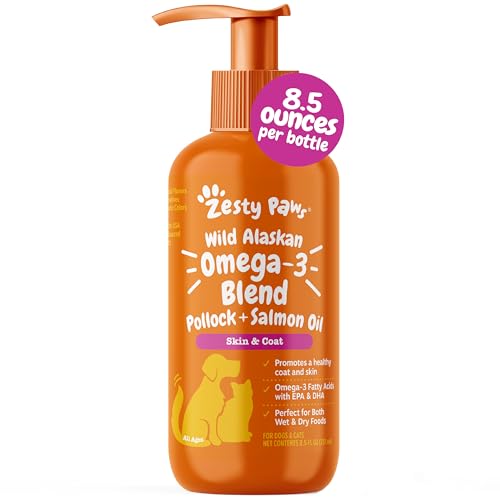
Zesty Paws Zesty Paws Wild Alaskan Omega-3 (8.5 oz)
$14.42 on Amazon
Pollock and salmon oil for skin, coat, and joint support, easy pump dosing

HEAPETS HEAPETS Wild Alaskan Salmon Oil (8 oz)
$9.99 on Amazon
Pump-top salmon oil with EPA and DHA for skin, joints, and heart

Pawsential Pawsential Omega-3 Fish Oil
$8.99 on Amazon
Wild Alaskan salmon oil with a taste cats tend to accept on food

Pet Honesty Pet Honesty Wild Alaskan Salmon Oil
$11.89 on Amazon
Pure salmon oil for shedding, itch relief, and joint and heart support

Zesty Paws Zesty Paws Omega-3 Blend (32 oz)
$25.87 on Amazon
Larger bottle of the same pollock and salmon blend for multi-cat homes
Why Omega-3s Matter for an Aging Cat
EPA and DHA are the two omega-3 fatty acids that do the heavy lifting. EPA is the more anti-inflammatory of the pair, which is why it gets the attention for joints and skin, while DHA supports the brain, nerves, and eyes and is valued for cognitive health in older cats. A cat's body cannot make these in useful amounts from plant sources the way some animals can, so they need to come from marine oil. In a senior cat, the potential payoffs are a calmer inflammatory state, a softer and less flaky coat, healthier skin, and gentle support for joints, with ongoing veterinary interest in omega-3s for kidney and heart health too.
How We Chose
- Right source: Fish or salmon body oil rather than cod liver oil, to avoid excess vitamin A and D in cats.
- Clear EPA and DHA: Products that state the actual omega-3 content, not just total oil.
- Cat-friendly dosing: Pump-top liquids that drizzle easily onto wet food.
- Freshness and quality: Reputable sourcing, since rancid oil does more harm than good.
- Palatability: A fishy taste most cats accept, confirmed across owner reviews.
Senior Cat Wellness & Care Planner
Track your aging cat's health, meds, vet visits, mobility, nutrition, and quality of life — all in one printable planner.
Fish Oil vs Cod Liver Oil
This distinction trips up a lot of well-meaning owners. Cod liver oil is loaded with vitamins A and D, and cats are sensitive to a buildup of both. Given daily, cod liver oil can push those vitamins into toxic territory over time. Standard fish oil and salmon oil, made from the body of the fish rather than the liver, deliver EPA and DHA without that vitamin load, which makes them the appropriate choice for everyday supplementation in cats. Always check that the product you pick is body oil, not liver oil.
Dosing and Safety
Start with the label dose for your cat's weight and, ideally, confirm it with your veterinarian, particularly if your cat has a health condition or takes medication. Begin low and build up gradually, because the most common side effect of too much fish oil is soft stool or stomach upset. Very high doses can affect blood clotting, which is relevant before any surgery, and cats on blood thinners should only take fish oil under veterinary supervision. Buy fresh, store the bottle somewhere cool and dark, and throw it out if it ever smells rancid, since spoiled oil works against you.
Liquid or Capsules?
For cats, a pump-top liquid is almost always the easier route. You can dose it straight onto wet food, the fishy taste usually wins cats over rather than putting them off, and a pump makes it simple to give a small, precise amount. Capsules tend to be fiddlier and pricier to dose for a small animal, though piercing one and squeezing the oil onto food is a workaround. If in doubt, start with a liquid salmon or fish oil made for cats.
A Word on Kidney and Heart Disease
Omega-3s appear in many therapeutic kidney diets for cats, and there is genuine veterinary interest in their role in kidney and heart health. But if your cat has kidney disease, heart disease, or is already on a prescription diet, do not start adding fish oil on your own. The right type and amount in those cases should be set by your veterinarian so it fits the overall plan rather than working against a carefully balanced diet.
Setting Expectations
Fish oil is a steady, supportive supplement, not a fast fix. Give it consistently for several weeks before judging whether the coat looks better or your cat seems more comfortable, and treat it as one helpful layer within a broader plan that includes proper veterinary pain control, good nutrition, and a comfortable home. Used that way, it is a sensible and well-tolerated addition to most senior cats' routines.
Related Guides
- Managing Chronic Pain in Older Cats - Where supplements fit in a full pain plan.
- Kidney Disease in Senior Cats - Why omega-3s and diet are managed together here.
- Joint Health for Senior Cats - Supporting aging joints from the inside out.
Frequently Asked Questions
What does fish oil do for senior cats?
Fish oil supplies the omega-3 fatty acids EPA and DHA, which have anti-inflammatory effects in the body. For senior cats that can mean modest support for arthritic joints, a softer and less flaky coat, healthier skin, and a general anti-inflammatory benefit. There is also veterinary interest in omega-3s as part of the diet for cats with kidney disease and heart disease. Effects are gradual and supportive rather than dramatic, and fish oil works best alongside, not instead of, veterinary care.
What is the difference between EPA and DHA?
EPA and DHA are the two active omega-3 fatty acids in fish oil and the ones that matter most for cats. EPA is the more anti-inflammatory of the two and is often emphasized for joint and skin support, while DHA supports the brain, nerves, and eyes and is valued for cognitive health in aging cats. A good supplement lists the actual milligrams of EPA and DHA, not just total fish oil, so you can see what your cat is really getting.
Is fish oil the same as cod liver oil for cats?
No, and the difference matters. Cod liver oil is high in vitamins A and D, which can build up to toxic levels in cats if given regularly, so it is not a good everyday omega-3 source for them. Standard fish oil or salmon oil made from the body of the fish provides EPA and DHA without that vitamin A and D load. Choose a product made for cats from fish body oil rather than liver oil for daily use.
How much fish oil should I give my cat?
There is no single universal dose, and the right amount depends on your cat's weight, the product's concentration, and the reason you are using it. Follow the label for your cat's weight as a starting point, and ideally confirm the dose with your veterinarian, especially for a cat with a health condition. Start low and increase gradually. Too much fish oil can cause soft stool or stomach upset, so more is not better.
Are there side effects or risks?
Fish oil is generally well tolerated, but a few cautions apply. Too much can cause diarrhea or a fishy odor, and very high doses may affect blood clotting, which matters before surgery. Cats on blood thinners or with certain conditions should only take it under veterinary guidance. Quality also varies: cheap or poorly stored fish oil can go rancid, which is counterproductive, so buy fresh, store it cool and dark, and discard it if it smells off.
Liquid pump or capsules: which is better for cats?
Liquid fish oil with a pump is usually easiest for cats, since you can drizzle the dose straight onto wet food and most cats accept the fishy taste readily. Capsules can be pricier to dose for a small cat and harder to give, though you can sometimes pierce one and squeeze the oil onto food. For most owners, a pump-top liquid salmon or fish oil made for cats is the simplest and most reliable option.
Can fish oil help a cat with kidney disease?
Possibly, which is why many veterinary kidney diets include omega-3s, but this is firmly a vet-led decision. Omega-3 fatty acids are thought to support kidney function and reduce inflammation, and they appear in therapeutic renal diets for that reason. However, the right type and amount for a cat with kidney disease should be set by your veterinarian as part of the overall management plan, not added independently on top of a prescription diet.
Need more help with your aging cat?
Browse our guides by topic to find practical solutions.
Wellness Planner — $39