Senior Ragdoll Cat Care Guide
Caring for an aging Ragdoll: HCM heart disease, urinary and bladder issues, coat care, weight and mobility, and the best products for senior Ragdoll cats.
The Ragdoll is the affectionate, easygoing giant of the cat fancy, famous for going limp and relaxed in your arms and for following its favorite people from room to room. These cats are big, gentle, and slow to mature, and they tend to keep their sweet, mellow nature deep into old age. That placid temperament is part of what makes them beloved, but it also means a senior Ragdoll may quietly tolerate discomfort, so an attentive owner is the cat's best advocate.
Ragdolls typically live 13 to 18 years and are considered senior around 9 or 10. This guide covers the breed's most important aging concerns, especially its heart and urinary risks, along with the coat, weight, and mobility care a large, laid-back cat needs. It is educational and meant to complement, not replace, the care of your veterinarian.
Top Picks for Senior Ragdolls

Just Try CoQ10 & Taurine Heart Bites
$13.79 on Amazon
CoQ10 and taurine chews to support the heart in an HCM-predisposed breed.

Purina Pro Plan Urinary Tract Health Wet Cat Food
$33.54 on Amazon
Moisture-rich wet food formulated to support urinary and bladder health.
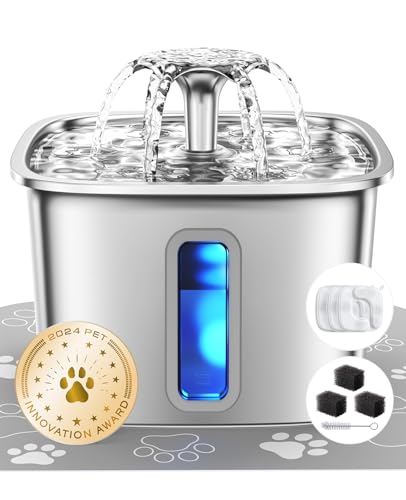
Veken Stainless Steel Cat Water Fountain
$25.49 on Amazon
Encourages drinking to dilute urine and protect a stone-prone bladder.

Pet Honesty Hairball Remedy Chews
Fiber and omega chews to manage hairballs from a silky semi-long coat.
Hypertrophic Cardiomyopathy in Ragdolls
Like the Maine Coon, the Ragdoll is one of the breeds most associated with hypertrophic cardiomyopathy, the most common heart disease in cats. A specific genetic mutation has been identified in Ragdoll lines, and conscientious breeders screen for it, but a cat can still develop HCM without carrying the known mutation. In the disease, the wall of the heart's main pumping chamber thickens, reducing how much blood it holds and impairing its ability to relax and fill.
The hardest part is that HCM is usually silent. A Ragdoll may show no signs at all until it suddenly develops heart failure, throws a painful blood clot called a saddle thrombus, or dies unexpectedly. Because of this, periodic echocardiograms by a veterinary cardiologist are the gold standard for monitoring a predisposed cat. At home, count your sleeping cat's breaths over one minute; a healthy cat usually stays under 30, and a steady increase warrants a prompt call to your veterinarian. Our heart disease and HCM guide explains the full picture.
Haven Pet Insurance for Senior Cats.Coverage for accidents, illness, and the chronic conditions that drive the biggest senior-cat vet bills (kidney disease, hyperthyroidism, diabetes). Get a fast, free quote using your cat’s breed, age, and zip, then see your monthly premium before you commit.Sponsored
Urinary and Bladder Health
Ragdolls have an above-average tendency toward lower urinary tract problems, including bladder stones and cystitis. A large, mellow cat that drinks too little produces concentrated urine, which sets the stage for crystals and stones. The signs to know are straining in the litter box, frequent small trips, blood-tinged urine, urinating outside the box, and crying while passing urine.
One scenario is a true emergency: a male cat straining repeatedly but producing little or no urine may have a blocked urethra, which becomes life-threatening within hours and demands immediate veterinary care. Prevention rests on hydration. Feed moisture-rich wet food, run a water fountain, and provide multiple water stations. If your veterinarian diagnoses a urinary condition, a therapeutic diet can dissolve or prevent certain stones. Keep the litter box scrupulously clean, since a fussy senior may hold urine if the box is dirty, worsening the problem.
Senior Cat Wellness & Care Planner
Track your aging cat's health, meds, vet visits, mobility, nutrition, and quality of life — all in one printable planner.
Coat Care for the Senior Ragdoll
The Ragdoll's coat is silky and semi-long with little undercoat, so it mats less readily than a Persian's, but it still needs regular attention. Brush two or three times a week, and increase the frequency as your aging cat grooms itself less thoroughly. Tangles tend to gather in the britches, belly, and behind the ears, so work those areas gently with a comb to avoid pulling on thinning senior skin.
Consistent brushing also reduces the amount of fur your cat swallows, which means fewer hairballs, and a fiber-based hairball remedy helps further. Treat each grooming session as a wellness check on this big, cuddly breed: feel along the body for new lumps, examine the skin, and note any spots your cat reacts to as if they are sore.
Weight, Mobility, and Daily Comfort
Ragdolls are large cats with relaxed dispositions, a combination that makes weight gain easy and harmful. Excess weight strains the joints, stresses the heart, and raises the risk of diabetes. Keep your senior Ragdoll lean with measured portions and gentle daily play, and weigh your cat regularly since a big frame hides gradual changes.
Support mobility by placing ramps or pet steps to favorite perches so your cat avoids hard jumps on stiff joints, and provide a spacious, low-entry litter box that protects aging hips. A supportive bed in a warm, draft-free spot eases any arthritis. Because the Ragdoll's docile nature can mask discomfort, stay alert to reduced jumping, less activity, or subtle changes in posture, and see signs your old cat is in pain for what to watch.
Related Senior Cat Guides
- Heart Disease & HCM in Senior Cats - The breed's most important risk.
- Kidney Disease in Senior Cats - Hydration protects both kidneys and bladder.
- Common Health Problems in Senior Cats - The wider landscape of feline aging.
- All Breed-Specific Senior Cat Guides - Care tailored to your cat's breed.
Frequently Asked Questions
When is a Ragdoll considered a senior cat?
Ragdolls mature slowly, reaching full size around four years old, and are generally considered senior around 9 to 10 years. With an average lifespan of 13 to 18 years, many Ragdolls enjoy a long, gentle old age. Because the breed carries a known heart risk, twice-yearly veterinary visits with a thorough cardiac exam, blood pressure check, and bloodwork become especially valuable once a Ragdoll reaches double digits.
Are Ragdolls prone to heart disease?
Yes. Ragdolls are one of the breeds predisposed to hypertrophic cardiomyopathy, or HCM, the most common feline heart disease, and a specific genetic mutation has been identified in the breed. In HCM the heart muscle thickens and cannot fill or relax properly, often silently, until heart failure or a blood clot occurs. Periodic echocardiograms with a cardiologist are the most reliable way to monitor a predisposed Ragdoll, alongside home resting-breathing-rate checks.
Why are Ragdolls prone to urinary and bladder problems?
Ragdolls have an above-average tendency toward lower urinary tract issues, including bladder stones and cystitis, and some lines are predisposed to urinary crystals. Senior Ragdolls who drink too little are at higher risk. Signs include straining, frequent small trips to the litter box, blood in the urine, and crying while urinating. A male cat unable to pass urine is a life-threatening emergency. Hydration and prompt veterinary care are key.
How do I keep my senior Ragdoll's coat healthy?
The Ragdoll's silky, semi-long coat lacks a heavy undercoat, so it mats less than a Persian's, but it still needs brushing two or three times a week, increasing as an aging cat grooms itself less. Focus on the britches, belly, and behind the ears where tangles form. Regular brushing reduces swallowed fur and hairballs, and each session lets you check the skin and feel for lumps on this large, cuddly breed.
What should I feed a senior Ragdoll cat?
Feed a high-quality, protein-rich diet with plenty of moisture to support hydration and urinary health, a particular concern in this breed. Many owners feed senior wet food, sometimes with a measured portion of dry. Because Ragdolls are large and laid-back, they gain weight easily, so watch portions and weigh your cat regularly. If urinary disease, kidney disease, or heart disease is diagnosed, your veterinarian may recommend a specific therapeutic diet.
Do Ragdolls really go limp when you pick them up?
The breed is named for its tendency to relax completely and go floppy when held, and many Ragdolls keep this docile nature into old age. It makes them wonderfully easy to handle for grooming, medicating, and veterinary care, but it also means they may not struggle away from discomfort. Because they are so placid, owners must be especially observant for subtle signs of pain, illness, or stiffness that a more reactive cat might show more openly.
How can I help a large, laid-back senior Ragdoll stay mobile?
Ragdolls are big cats, and their relaxed temperament can tip into inactivity and weight gain that strains the joints. Keep your senior Ragdoll lean, encourage gentle play, and provide ramps or steps to favorite perches so it does not have to jump on stiff joints. A roomy, low-entry litter box protects aging hips, and a supportive bed in a warm spot eases any arthritis. Report reduced jumping or activity to your veterinarian.
Need more help with your aging cat?
Browse our guides by topic to find practical solutions.
Wellness Planner — $39