Senior Persian Cat Care Guide
Caring for an aging Persian: polycystic kidney disease, flat-face breathing and tear staining, dental disease, daily coat grooming, and the best senior Persian products.
The Persian is the picture of feline elegance: a luxurious flowing coat, a sweet flat face, and a calm, affectionate temperament that makes these cats devoted lap companions. That same distinctive anatomy, however, comes with a set of breed-specific challenges that grow more important with age. A senior Persian needs an owner who understands its inherited kidney risk, its flat-faced breathing and tear-staining, and the relentless grooming its coat demands.
Persians typically live 12 to 17 years and are considered senior around 9 or 10. This guide covers the conditions most likely to affect an aging Persian, Himalayan, or Exotic Shorthair, and the practical products and routines that keep them comfortable. It is educational and meant to complement, not replace, the guidance of your veterinarian.
Top Picks for Senior Persians

Eye Envy Tear Stain Wipes for Cats
$13.58 on Amazon
Gentle textured wipes, recommended by Persian breeders, to clear tear stains daily.
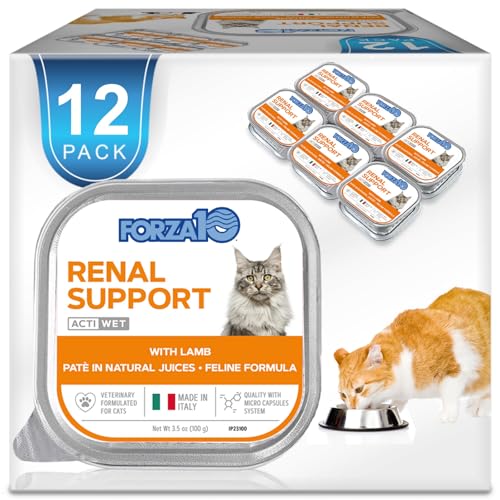
Forza10 Vet-Formulated Renal Wet Cat Food
$29.99 on Amazon
Kidney-support wet food with controlled phosphorus for PKD-prone Persians.
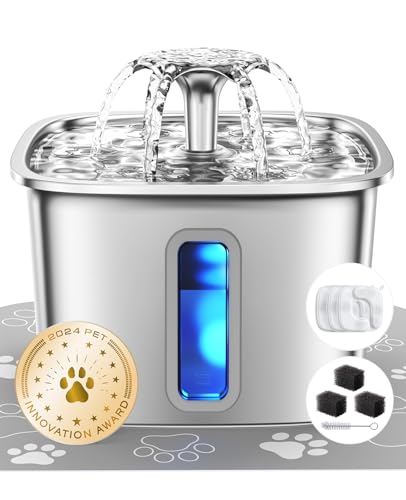
Veken Stainless Steel Cat Water Fountain
$25.49 on Amazon
Encourages drinking to support hydration and aging kidneys.

Tartar Shield Dental Care Cat Treats
$13.99 on Amazon
Daily dental treats to fight the periodontal disease common in flat-faced cats.
Polycystic Kidney Disease: The Inherited Risk
The single most important breed-specific concern for Persians is polycystic kidney disease. In PKD, tiny fluid-filled cysts are present from birth and enlarge slowly over the years, gradually replacing functional kidney tissue. The condition is so closely tied to the breed that responsible breeders test their cats, and the same risk extends to Himalayans and Exotic Shorthairs that share Persian ancestry.
Many Persians live for years before PKD produces any outward sign, which is exactly why senior screening matters. Routine bloodwork, urine concentration tests, and blood pressure checks can catch declining kidney function early, when diet and supportive care do the most good. Watch for the classic signs of feline kidney trouble: increased thirst and urination, weight loss, reduced appetite, and lethargy. Our full kidney disease in senior cats guide explains staging and management in detail.
Haven Pet Insurance for Senior Cats.Coverage for accidents, illness, and the chronic conditions that drive the biggest senior-cat vet bills (kidney disease, hyperthyroidism, diabetes). Get a fast, free quote using your cat’s breed, age, and zip, then see your monthly premium before you commit.Sponsored
The Flat Face: Breathing, Eyes, and Teeth
The Persian's shortened skull, the brachycephalic build that gives the breed its sweet expression, also compresses the structures inside. Three practical consequences follow your cat into old age.
Breathing
Compressed nasal passages make many Persians snore and snort, and aging, weight gain, or heat can worsen this. Senior Persians tolerate heat poorly and tire quickly. Keep your cat lean and cool, and treat any increase in open-mouth breathing or respiratory effort as an emergency, since labored breathing in a cat is never normal.
Eyes and Tear Staining
The flat face distorts the tear ducts so tears spill onto the fur, leaving reddish-brown stains and a damp environment where bacteria and yeast flourish. Clean the eyes and facial folds daily with a gentle tear-stain wipe to prevent skin infection. A sudden change, squinting, or a new discharge can signal a corneal ulcer, which Persians are prone to because of their prominent eyes, and needs prompt veterinary attention.
Teeth
The crowded, misaligned jaw traps food and accelerates dental disease. By old age, untreated periodontal disease is both painful and a source of bloodstream bacteria that taxes the kidneys and heart. Daily dental care, dental treats, a water additive, and professional cleanings protect the whole cat.
Senior Cat Wellness & Care Planner
Track your aging cat's health, meds, vet visits, mobility, nutrition, and quality of life — all in one printable planner.
Grooming a Senior Persian
No cat demands more grooming than a Persian. The long, dense coat tangles within a day, and senior cats groom themselves less as arthritis and lethargy set in. Skipped brushing quickly produces mats that pull painfully on thin aging skin and can hide sores or parasites. Brush daily with a steel comb, working all the way to the skin rather than skimming the surface, and pay special attention to the armpits, britches, and belly.
Many owners keep a senior Persian in a shorter lion cut, which dramatically reduces matting and makes grooming gentler on an older cat. Keep the sanitary area trimmed for hygiene, clean the facial folds daily, and use each session as a chance to feel for lumps and check the skin. A long coat also means more swallowed fur, so a hairball remedy can be a worthwhile addition.
Feeding, Hydration, and Comfort
Because kidney health is the breed's central concern, hydration is your most powerful everyday tool. Feed moisture-rich wet food, offer a water fountain to encourage drinking, and place several water stations around the home. If kidney disease is diagnosed, a therapeutic renal diet with controlled phosphorus, sometimes paired with a phosphorus binder, becomes the foundation of care. Remember that the flat face makes some kibble shapes hard to pick up, so a smooth pate is often easier for a senior Persian to eat.
Provide warm, soft resting spots, keep the litter box easily accessible, and watch closely for the subtle behavior changes that signal pain or illness in a stoic breed. For more, see signs your old cat is in pain and our comfort and pain resources.
Related Senior Cat Guides
- Kidney Disease in Senior Cats - Central to caring for a PKD-prone Persian.
- Dental Disease in Senior Cats - The flat face crowds and damages the teeth.
- Common Health Problems in Senior Cats - The wider landscape of feline aging.
- All Breed-Specific Senior Cat Guides - Care tailored to your cat's breed.
Frequently Asked Questions
At what age is a Persian cat considered a senior?
Persians are usually considered senior around 9 to 10 years of age. With an average lifespan of 12 to 17 years, a well-cared-for Persian often has many comfortable years ahead at this point. Because the breed carries inherited risks to the kidneys and breathing, twice-yearly veterinary checkups with bloodwork, urine testing, and blood pressure monitoring become especially valuable once a Persian reaches double digits.
What is polycystic kidney disease in Persians?
Polycystic kidney disease, or PKD, is an inherited condition in which fluid-filled cysts form in the kidneys and slowly enlarge, gradually crowding out healthy tissue until kidney function declines. It is strongly associated with Persians and related breeds like the Himalayan and Exotic Shorthair. A genetic test and ultrasound can identify affected cats. Many cats live for years before signs appear, which is why early monitoring of kidney values in senior Persians matters so much.
Why does my Persian have tear staining and runny eyes?
The Persian's flat face shortens and distorts the tear ducts, so tears overflow onto the face instead of draining normally. The constant moisture creates reddish-brown stains and a warm environment where bacteria and yeast thrive, sometimes leading to skin infection in the folds. Daily gentle cleaning with a tear-stain wipe keeps the area dry and healthy. Sudden worsening can signal an eye ulcer or infection and warrants a veterinary visit.
Do Persians have breathing problems as they age?
Persians are brachycephalic, meaning their shortened skull compresses the nasal passages and airways. Many Persians snore, snort, or breathe noisily, and this can worsen with age, weight gain, or heat. Senior Persians are less heat-tolerant and tire more easily on exertion. Keep your cat cool, lean, and calm, and report any increase in open-mouth breathing or respiratory effort to your veterinarian promptly, since labored breathing in a cat is always an emergency.
How often should I groom my senior Persian?
A Persian's long, dense coat needs daily brushing throughout life, and this becomes even more important in the senior years when the cat grooms itself less. Skipped days lead quickly to painful mats that pull on fragile aging skin. Brush daily with a steel comb, clean the eyes and facial folds, and keep the sanitary area trimmed. Many owners keep senior Persians in a shorter lion cut to reduce matting and ease grooming.
What should I feed a senior Persian with kidney concerns?
Hydration is central for a breed prone to kidney disease, so emphasize moisture-rich wet food and a water fountain to encourage drinking. If your veterinarian diagnoses kidney disease, a therapeutic renal diet with controlled phosphorus and adjusted protein becomes the cornerstone of treatment, sometimes paired with a phosphorus binder. The Persian's flat face can make some kibble shapes hard to pick up, so a pate or specially shaped food may be easier to eat.
Can a Persian's flat face cause dental problems?
Yes. The shortened jaw crowds and misaligns the teeth, trapping food and bacteria and accelerating periodontal disease. By the senior years many Persians have significant dental disease, which is painful and sends bacteria into the bloodstream that can stress the kidneys and heart. Daily dental care, dental treats, a water additive, and professional cleanings under your veterinarian's guidance all help protect both the mouth and the organs downstream.
Need more help with your aging cat?
Browse our guides by topic to find practical solutions.
Wellness Planner — $39