Senior Abyssinian Cat Care Guide
Caring for an aging Abyssinian: renal amyloidosis and kidney disease, PK deficiency anemia, dental health, staying active, and the best products for senior Abys.
The Abyssinian is one of the oldest and most distinctive cat breeds, an athletic, intensely curious companion with a ticked coat that glows like warm copper. Abys are famous for being perpetually in motion, perching on shoulders, investigating every cabinet, and staying kitten-like in spirit well into old age. That energy is a gift, but it can also mask the quiet decline of the inherited conditions this breed carries.
With a typical lifespan of 12 to 15 years, and many cats reaching their late teens, most Abyssinians are considered senior around age 9 or 10. This guide covers the breed's most important aging concerns, from the kidney disease the breed is predisposed to, to inherited anemia and dental disease, and the products that make daily life easier. It is educational and meant to complement, not replace, the care of your veterinarian.
Top Picks for Senior Abyssinians
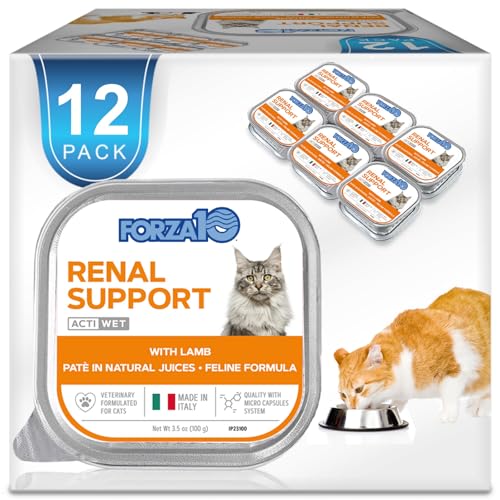
Forza10 Renal Support Wet Cat Food
$29.99 on Amazon
Vet-formulated, phosphorus-controlled food for an amyloidosis-prone breed.
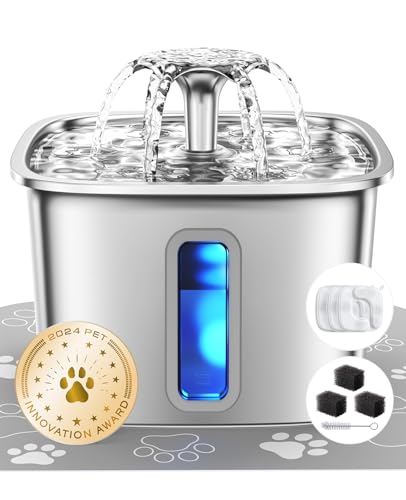
Veken Stainless Steel Water Fountain
$25.49 on Amazon
Encourages drinking to support aging, vulnerable kidneys.

$9.82 on Amazon
Toothbrush and enzymatic paste for a breed prone to tooth resorption.

Catstages Tower of Tracks Cat Toy
$8.79 on Amazon
Self-play track toy that keeps a busy senior Aby engaged.
Renal Amyloidosis: The Breed's Most Serious Concern
If there is one health issue every Abyssinian owner should understand, it is renal amyloidosis. In this inherited disorder, an abnormal protein called amyloid is deposited in the kidneys, gradually replacing functional tissue and driving the cat toward chronic kidney disease. The Abyssinian, along with the closely related Somali, is one of the breeds most strongly associated with it, and affected cats can develop kidney failure earlier in life than the general feline population.
The early signs are the classic kidney signals: drinking more water, producing larger clumps in the litter box, losing weight, and eating less. Because amyloidosis works slowly and silently, the most powerful tool you have is routine testing. A senior Aby should have bloodwork and a urinalysis at least twice a year, including the SDMA marker that flags kidney decline early. When disease is caught before symptoms appear, a phosphorus-controlled diet, good hydration, and your veterinarian's care can add comfortable years. Learn more in our guide to kidney disease in senior cats.
Haven Pet Insurance for Senior Cats.Coverage for accidents, illness, and the chronic conditions that drive the biggest senior-cat vet bills (kidney disease, hyperthyroidism, diabetes). Get a fast, free quote using your cat’s breed, age, and zip, then see your monthly premium before you commit.Sponsored
Pyruvate Kinase Deficiency and Anemia
The Abyssinian also carries pyruvate kinase deficiency, or PK deficiency, an inherited shortage of an enzyme that red blood cells need to survive. Without enough of it, the cells become fragile and break down early, causing intermittent anemia that can come and go in waves. Some cats live comfortably for years before signs emerge, which is part of why this condition often surfaces in the senior years.
Watch for lethargy, weakness, pale gums, a poor appetite, or a cat that simply seems to run out of steam faster than it used to. A DNA test confirms whether a cat is affected, and a simple blood count measures the degree of anemia. While there is no cure, knowing your cat's status lets your veterinarian monitor red cell levels and respond when a flare occurs. For a senior breed already prone to kidney disease, distinguishing anemia from chronic kidney decline matters, since both can cause fatigue.
Senior Cat Wellness & Care Planner
Track your aging cat's health, meds, vet visits, mobility, nutrition, and quality of life — all in one printable planner.
Dental Disease and Tooth Resorption
Abyssinians are predisposed to periodontal disease and to painful tooth resorption, where the structure of a tooth erodes from the inside until it must be removed. By the senior years, many Abys have some degree of dental disease that causes real pain, even though they rarely show it openly. A cat that drools, chews on one side, drops kibble, or paws at its mouth is often telling you its teeth hurt.
Daily toothbrushing with a feline enzymatic paste is the gold standard where your cat tolerates it, ideally started young but worth introducing gently at any age. Annual professional cleanings under anesthesia let your veterinarian probe below the gumline and find resorptive lesions that are invisible from the outside. Dental disease is not just a mouth problem: the bacteria it harbors strain the kidneys and heart, organs an aging Aby cannot spare. See our guide to dental disease in senior cats for a full plan.
Keeping a Busy Breed Active in Old Age
The Abyssinian's defining trait is relentless curiosity and athleticism, and that spirit persists long after the body begins to slow. A senior Aby still wants to climb, hunt, and explore, so your job is to keep activity safe rather than to stop it. Short, frequent play sessions with a wand toy maintain muscle mass and joint health, while puzzle feeders engage the keen mind that defines the breed and helps guard against cognitive decline.
As arthritis creeps in, add carpeted steps or ramps to the high perches your Aby loves, since a fall from a favorite shelf is a real risk for a stiff older cat. Keep window perches available for bird watching, the perfect low-effort enrichment for a senior. If your normally tireless cat suddenly rests far more than usual, treat it as a medical signal worth investigating, not simply old age.
Feeding and Daily Care
Nutrition for a senior Abyssinian centers on protecting the kidneys. Prioritize high-quality protein and plenty of moisture, leaning on senior wet food and a water fountain to keep hydration high. Weigh your cat regularly, because this lean, muscular breed can lose condition gradually in a way that is easy to miss until it is significant. If kidney disease is diagnosed, a therapeutic renal diet that limits phosphorus becomes the cornerstone of care.
Provide soft bedding in warm, quiet spots, keep at least one easy-access litter box on every floor your cat uses, and make grooming sessions a routine health check for new lumps or sore areas. Browse our nutrition and mobility sections for more ways to support an aging Aby at home.
Related Senior Cat Guides
- Kidney Disease in Senior Cats - The breed's signature risk explained in depth.
- Dental Disease in Senior Cats - Protecting a resorption-prone mouth.
- Common Health Problems in Senior Cats - The full picture of feline aging.
- All Breed-Specific Senior Cat Guides - Care tailored to your cat's breed.
Frequently Asked Questions
At what age is an Abyssinian considered a senior?
Abyssinians are generally considered senior around 9 to 10 years of age, with a typical lifespan of 12 to 15 years and many cats reaching their late teens. Because the breed carries a few inherited risks that develop quietly, an aging Aby benefits from twice-yearly veterinary visits, baseline bloodwork that includes a urinalysis, blood pressure checks, and a packed cell volume to watch for anemia.
What is renal amyloidosis in Abyssinians?
Renal amyloidosis is the breed's most serious inherited concern. An abnormal protein called amyloid deposits in the kidneys and slowly destroys functional tissue, leading to chronic kidney disease, often at a younger age than in other cats. Signs are the classic kidney signals: increased thirst and urination, weight loss, and poor appetite. Regular urine and blood testing catches the decline early, when diet and fluids help most.
What is pyruvate kinase deficiency?
Pyruvate kinase (PK) deficiency is an inherited enzyme defect found in Abyssinians and several related breeds. The missing enzyme makes red blood cells fragile, so they break down early and cause intermittent anemia. Affected cats may seem tired, pale at the gums, or less active, sometimes in waves. A DNA test identifies carriers and affected cats, and a senior Aby with unexplained lethargy should have its red cell count checked.
Do Abyssinians have dental problems as they age?
Yes, Abyssinians are prone to periodontal disease and to a painful condition called tooth resorption, where the tooth structure erodes from within. By the senior years many cats have some degree of gum disease that causes pain, drooling, and reluctance to eat hard food. Daily toothbrushing where tolerated, dental-friendly diets, and annual professional cleanings under anesthesia protect both comfort and overall health.
How do I keep a senior Abyssinian mentally and physically active?
The Abyssinian is one of the most active and curious cat breeds, and that drive does not vanish with age, even as the body slows. Keep an aging Aby engaged with short daily play sessions, puzzle feeders, climbing options with easy steps, and window perches for bird watching. Gentle activity maintains muscle, supports joints, and helps manage weight, while mental stimulation guards against cognitive decline.
What should I feed a senior Abyssinian?
Feed a high-quality, protein-rich diet with plenty of moisture to protect the kidneys, which are the breed's weak point. Many owners rely on senior wet food and a water fountain to boost hydration. If your veterinarian diagnoses kidney disease, a therapeutic renal diet that limits phosphorus becomes the foundation of care. Keep portions measured, since this lean, athletic breed can quietly lose muscle as it ages.
How can I tell if my senior Abyssinian is unwell?
Watch for the subtle signs cats use to mask illness: drinking more water, urinating larger clumps, gradual weight loss, pale gums, reduced appetite, or a normally busy cat suddenly resting more. Because Abyssinians are predisposed to kidney disease and anemia, any of these changes deserves a prompt veterinary visit with bloodwork. Early detection is the single biggest advantage you can give an aging Aby.
Need more help with your aging cat?
Browse our guides by topic to find practical solutions.
Wellness Planner — $39