Old Cat Grumpy and Irritable: Why and What to Do
Why a senior cat becomes grumpy and irritable, the pain and illness causes vets check first, how to handle a cat that hisses when touched, and calming steps that help.
The cat that once melted into your lap now flattens its ears when you reach over. The companion who tolerated anything has started to hiss, swat, or stalk off in a huff. When a once-easygoing older cat turns grumpy and irritable, it is easy to assume they are simply getting cranky with age. Far more often, though, a change in temper is a change in how your cat feels.
Cats are masters at hiding discomfort, so irritability can be one of the clearest signals they give that something is wrong. Understanding the common causes, and acting on them, can bring back much of the sweetness you remember. This article is educational and complements, but does not replace, your veterinarian's advice.
Calming Help for an Irritable Senior Cat
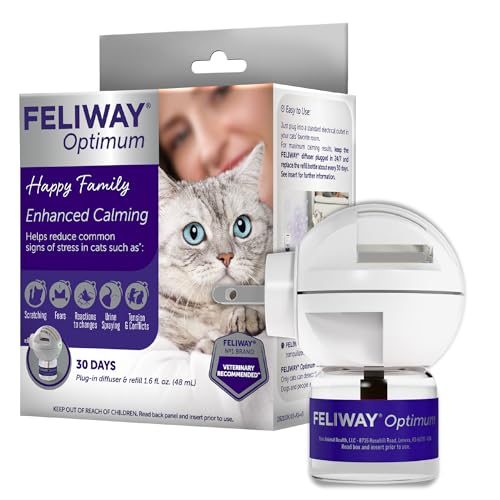
FELIWAY FELIWAY Optimum Calming Diffuser
$29.99 on Amazon
Drug-free pheromone plug-in to ease tension and on-edge behavior at home

Pet Honesty Pet Honesty Calming Treats
Soft chews to help an anxious, on-edge senior cat settle
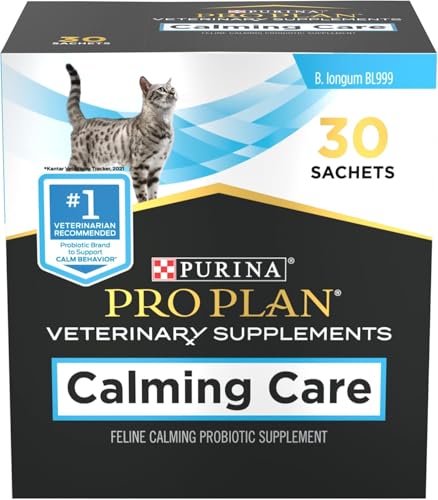
Pro Plan Veterinary Diets Pro Plan Calming Care Supplement
$22.60 on Amazon
Vet-line probiotic shown to support a calm, settled temperament

Noocyarn Noocyarn Covered Cat Cave
$21.99 on Amazon
A safe, enclosed retreat for an irritable cat that needs space
Pain Is the Usual Culprit
If you remember one thing, make it this: a newly grumpy cat is usually a cat in pain. Arthritis tops the list, affecting most cats over 12 and turning ordinary handling into something that hurts. A sore cat will hiss or swipe when touched on a tender spot, resent being lifted, and guard its hips, spine, or hindquarters. The pain need not come from joints alone. Dental disease causes constant mouth pain, and any source of discomfort can shorten a cat's fuse. Because cats conceal pain so well, irritability is often the loudest signal they will give, which makes a veterinary pain assessment the first step.
Haven Pet Insurance for Senior Cats.Coverage for accidents, illness, and the chronic conditions that drive the biggest senior-cat vet bills (kidney disease, hyperthyroidism, diabetes). Get a fast, free quote using your cat’s breed, age, and zip, then see your monthly premium before you commit.Sponsored
Illness That Frays the Temper
Several conditions common in older cats can sour a mood directly:
- Hyperthyroidism: An overactive thyroid speeds everything up, leaving a cat restless, agitated, hungry, and easily provoked.
- High blood pressure: Often tied to thyroid or kidney disease, it can cause discomfort and a shorter temper, and it threatens vision.
- Dental disease: Painful teeth and gums make eating and grooming miserable and a cat understandably touchy.
- Kidney disease: Feeling generally unwell and nauseated wears down patience.
The reassuring part is that these are diagnosable and manageable. A senior wellness exam with bloodwork and a blood-pressure check often uncovers exactly what is making your cat miserable.
Fading Senses and a Changing Mind
An old cat whose hearing or eyesight is failing gets startled more easily, and a startled cat reacts defensively. If your cat cannot hear you approach or see your hand clearly, a sudden touch can feel like an ambush, prompting a swat that is really fear, not malice. Feline cognitive dysfunction, a dementia-like decline, can add to the picture with confusion, disrupted sleep, and a lower tolerance for handling and change. Approaching such a cat slowly, speaking first, and keeping routines predictable all help reduce the surprises that trigger grumpiness.
Senior Cat Wellness & Care Planner
Track your aging cat's health, meds, vet visits, mobility, nutrition, and quality of life — all in one printable planner.
How to Live With, and Help, a Grumpy Senior
Get the diagnosis first
Everything else works better once any pain or illness is being treated. Book a veterinary exam, and bring specific notes: when your cat reacts, where you were touching, and what else has changed. That detail helps your vet zero in on the cause.
Respect the warnings
Never punish hissing or swiping, which only deepens fear and breaks trust. Let your cat come to you, pet only where they welcome it, avoid sore areas, and always leave them a clear escape route and a quiet retreat such as a covered cave bed.
Lower the stress in the home
Keep routines steady, reduce noise and chaos, and give your cat predictable, safe spaces. A pheromone diffuser can ease background tension, and vet-approved calming treats or supplements may help an anxious, on-edge cat settle. Treat these as support that works alongside medical care, not in place of it.
When to See the Vet
Do not file grumpiness under simple old age. Book an exam whenever the change is new or marked, particularly alongside reduced jumping, stiffness, hiding, weight loss, increased thirst, or appetite changes, and seek prompt care for sudden aggression or signs of confusion. Many cats written off as cranky seniors become noticeably gentler once their arthritis, dental disease, or thyroid condition is treated. Irritability is a clue worth chasing, not a flaw to endure.
Related Guides
- Senior Cat Aggression - When grumpiness tips into lashing out.
- Changes in Senior Cat Behavior - Normal aging versus a reason to worry.
- Senior Cat Anxiety - Calming an on-edge older cat.
Frequently Asked Questions
Why has my old cat become so grumpy and irritable?
New grumpiness in a senior cat is almost always rooted in how the cat feels, not in a change of personality. The most common cause is pain, especially from arthritis, which makes being touched, lifted, or jostled genuinely uncomfortable. Illnesses like hyperthyroidism, dental disease, and high blood pressure can also fray a cat's temper, as can fading senses and cognitive decline that leave a cat startled and on edge. A cat that has turned short-tempered is usually a cat that does not feel well, which is why a vet visit comes first.
Is a grumpy senior cat in pain?
Very often, yes. Pain is the leading reason a gentle older cat becomes irritable, and arthritis is the usual culprit since the majority of cats over 12 have it. A cat that hurts will swipe or hiss when touched in a sore spot, resent being picked up, and guard areas like the hips, spine, or hindquarters. Other clues include stiffness, reduced jumping, less grooming, and hiding. Because cats hide pain so well, irritability is sometimes the clearest sign they give, and it deserves a veterinary pain assessment.
Could illness be making my cat short-tempered?
Yes. Several conditions common in older cats can change mood directly. Hyperthyroidism speeds the metabolism and can make a cat restless, agitated, and snappish. High blood pressure, often linked to thyroid or kidney disease, can cause discomfort and irritability. Dental disease causes constant mouth pain. Even reduced hearing or vision leaves a cat more easily startled and defensive. A senior wellness exam with bloodwork and a blood-pressure check can uncover these treatable causes, and addressing them often softens the grumpiness.
How should I handle a cat that hisses or swipes when touched?
Respect the warning and avoid the trigger while you find the cause. Do not punish or force interaction, which only increases fear and aggression and erodes trust. Instead, let your cat approach you, pet only where they clearly welcome it, avoid sore areas, and give them space and a secure retreat. Note exactly when and where the reaction happens, since that information helps your vet pinpoint pain. Most importantly, book a veterinary exam, because a cat that suddenly resents touch is usually telling you something hurts.
Can calming products help an irritable senior cat?
Calming aids can take the edge off, but they work best once any medical cause is being treated, not as a substitute for diagnosis. Pheromone diffusers release a synthetic version of a cat's natural calming signal and can ease tension in the home, while vet-approved calming supplements and treats may help an anxious, on-edge cat settle. Reducing stress, keeping routines predictable, and providing safe retreats also help. Think of calming products as one supportive layer alongside pain relief and treatment, rather than the whole answer to grumpiness.
Is grumpiness just a normal part of a cat getting old?
It is common, but it is not something to simply accept. A genuine shift toward irritability nearly always reflects pain, illness, sensory loss, or cognitive change, all of which can be managed once identified. Writing it off as your cat just getting cranky risks leaving a treatable, uncomfortable problem unaddressed. Many cats labeled grumpy seniors become noticeably sweeter once their arthritis, dental disease, or thyroid condition is treated. A mood change is a clue worth investigating, not a personality flaw to live with.
When should I take a grumpy cat to the vet?
Whenever the change is new, marked, or paired with other signs, which is most of the time. Book an exam if your cat has started hissing, swiping, or resenting touch, especially alongside reduced jumping, stiffness, hiding, weight loss, increased thirst, appetite changes, or any sudden shift in behavior. A sudden burst of aggression or signs of confusion warrant prompt attention. A thorough senior workup, including bloodwork, blood pressure, and a pain assessment, is the fastest route to finding why your once-easygoing cat has become so short-tempered.
Need more help with your aging cat?
Browse our guides by topic to find practical solutions.
Wellness Planner — $39