Best Slow Feeders for Cats 2026: Senior Picks
Compare 6 slow feeder cat bowls for senior cats that gulp food and vomit. Silicone, ceramic, and elevated designs to slow eating, aid digestion, and ease neck strain.
If your senior cat inhales a meal and then brings it back up minutes later, the problem is often speed, not the food. Cats that gulp swallow air along with their dinner, and the result is regurgitated, undigested food on the floor, an unpleasant routine that is harder on an aging body. A slow feeder paces the meal so eating takes minutes instead of seconds, and for many older cats that one change quiets the post-meal vomiting.
Slow feeders offer more than that for a senior, adding gentle mental engagement to quieter days and, in elevated versions, easing the neck strain of bending to a floor bowl. We compared popular slow feeders using their materials, groove depth and design, ease of cleaning, and the recurring themes in verified owner reviews, weighed against what works for an aging cat. Below are six options, a comparison table, and how to choose.
Best Slow Feeders for Senior Cats 2026

Y YHY Y YHY Elevated Ceramic Slow Feeder
$14.13 on Amazon
Tilted, raised ceramic bowl that slows eating and eases neck strain for arthritic seniors.

Bifeaw Bifeaw Silicone Slow Feeder
$7.99 on Amazon
Easy-clean silicone bowl that gently slows fast eaters and suits wet or dry food.

S&Q's Ceramics S&Q's Raised Ceramic Slow Feeder
$15.19 on Amazon
Elevated, tilted ceramic feeder that paces meals and raises the food off the floor.

vancasso vancasso Ceramic Slow Feeder
$20.88 on Amazon
6.25-inch elevated ceramic slow feeder, sturdy and dishwasher-friendly for wet diets.

MateeyLife MateeyLife Puzzle Slow Feeder (2-Pack)
$8.07 on Amazon
Small anti-choking puzzle bowls that slow gulping seniors and add gentle engagement.
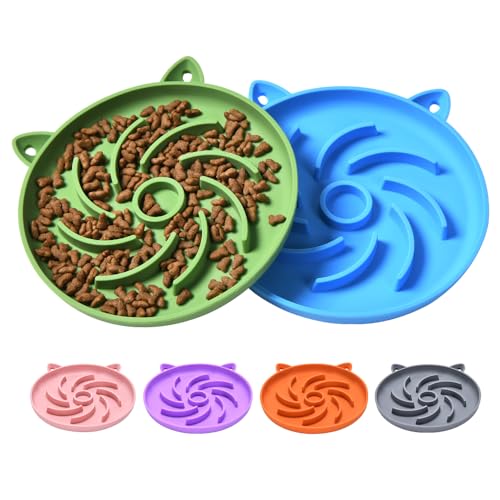
Sarnxgr Sarnxgr Silicone Slow Feeder (2-Pack)
$5.99 on Amazon
Soft silicone puzzle feeders, budget-friendly and easy to rinse for wet or dry food.
How Do These Slow Feeders Compare?
| Feeder | Price | Material | Style | Best For |
|---|---|---|---|---|
| Y YHY Elevated | $14 | Ceramic | Raised, tilted | Arthritic seniors, neck strain |
| Bifeaw Silicone | $8 | Silicone | Flat bowl | Easy cleaning, wet or dry |
| S&Q's Ceramic | $15 | Ceramic | Raised, tilted | Sturdy elevated feeding |
| vancasso Ceramic | $21 | Ceramic | Elevated bowl | Wet diets, dishwasher cleaning |
| MateeyLife 2-Pack | $8 | Plastic | Puzzle bowl | Gentle engagement, value pair |
| Sarnxgr 2-Pack | $6 | Silicone | Puzzle mat | Budget, easy rinsing |
How We Picked These Feeders
This roundup is research-based, not a hands-on test. We compared materials, the depth and width of each feeder's grooves, stability, ease of cleaning, and the recurring patterns in verified owner reviews, then weighed them against what suits an aging cat. We favored designs that slow a gulping eater without frustrating a stiff senior, which means wider, shallower channels over tight mazes. We gave extra weight to elevated and tilted feeders that ease neck and joint strain, and to silicone and ceramic models that are easy to keep clean for cats on wet diets. Stability mattered too, since a bowl that slides away annoys an arthritic cat trying to eat.
A Closer Look at Each Feeder
Y YHY Elevated Ceramic Slow Feeder
This feeder combines two senior-friendly ideas: a raised, tilted bowl that brings food up toward the cat and reduces the neck strain of bending to the floor, plus interior ridges that slow a fast eater. The ceramic is heavy enough to stay put and easy to wipe clean, including with wet food. For an arthritic senior that both gulps and struggles to crouch at a floor bowl, this is the most complete pick here, which makes it our top choice.
Pros: Elevated and tilted, slows eating, easy to clean, stable ceramic.
Cons: Heavier to move; grooves are gentle, so very fast eaters may still hurry.
Bifeaw Silicone Slow Feeder
A simple, affordable silicone bowl with raised ridges, the Bifeaw is one of the easiest feeders here to keep clean, which makes it well suited to wet food and seniors with kidney-care or moisture-rich diets. The flexible silicone lets you push food out of every groove and rinse it fast. It sits low on the floor, so it is best for cats without significant neck strain, but as a gentle, hygienic pacing bowl it is hard to beat for the price.
Pros: Very easy to clean, works with wet food, inexpensive.
Cons: Floor-level; lightweight enough to slide for some cats.
S&Q's Raised Ceramic Slow Feeder
Similar in concept to the Y YHY, this raised and tilted ceramic feeder paces the meal while lifting food off the floor. The sturdy ceramic resists tipping and cleans up easily, and the elevated angle suits seniors who find a floor bowl uncomfortable. It is a solid alternative if you want an elevated slow feeder with a slightly different look or size, offering the same combination of slowed eating and reduced strain.
Pros: Elevated, tilted, sturdy, easy to clean.
Cons: Heavier; pacing is mild rather than aggressive.
vancasso Ceramic Slow Feeder
This 6.25-inch elevated ceramic feeder is the most substantial option here, built to last and dishwasher friendly. The raised design eases neck strain, and the quality ceramic wipes clean of pate without staining, which matters for wet-fed seniors. It is the priciest pick, but owners who want a durable, attractive feeder that handles wet diets cleanly will find it worth the extra cost.
Pros: Durable ceramic, dishwasher safe, elevated, good for wet food.
Cons: Highest price; heavy to lift and move.
MateeyLife Puzzle Slow Feeder (2-Pack)
This two-pack of small puzzle bowls adds gentle mental engagement to mealtime, which can brighten the quieter days of an older cat while slowing a gulper. The anti-choking design and modest depth keep it manageable for seniors, and having two means you can rotate or feed in multiple spots. The puzzle elements are best for cats that still enjoy a small challenge, so watch a frailer senior to be sure it slows them without frustrating them.
Pros: Adds enrichment, comes as a pair, good value, anti-choking design.
Cons: Plastic with tighter nooks; not ideal for sticky wet food.
Sarnxgr Silicone Slow Feeder (2-Pack)
The most budget-friendly option here, this pair of soft silicone puzzle feeders slows fast eaters and rinses clean in seconds. The flexible material handles both wet and dry food and lets you flatten the bowl to clear every groove. As a two-pack at a low price, it is a sensible starting point to see whether a slow feeder helps your senior before investing in a heavier elevated model.
Pros: Very affordable, two included, easy to clean, flexible silicone.
Cons: Floor-level and lightweight; basic construction.
Getting the Most From a Slow Feeder
- Match the design to the food. Use silicone or simple ceramic grooves for wet food, and save tighter mazes for dry kibble.
- Choose shallow grooves for arthritic cats. Wide, easy-to-reach channels slow eating without frustrating a stiff senior.
- Raise the bowl if your cat strains to bend. An elevated or tilted feeder eases neck and joint strain at the floor.
- Clean it daily. The nooks that slow your cat also trap bacteria, so wash after wet meals.
- Watch the first meals. Confirm the feeder slows your cat without making eating a chore they give up on.
A slow feeder can quiet the gulp-and-vomit cycle, but frequent vomiting, weight loss, or appetite changes in a senior cat deserve veterinary attention, since they can signal kidney disease, hyperthyroidism, inflammatory bowel disease, and other conditions. Use the bowl as one helpful tool, not a substitute for a checkup. This guide is educational and complements, but does not replace, your veterinarian.
Senior Cat Wellness & Care Planner
Track your aging cat's health, meds, vet visits, mobility, nutrition, and quality of life — all in one printable planner.
Related Senior Cat Guides
Frequently Asked Questions
How does a slow feeder help a senior cat?
A slow feeder uses ridges, mazes, or raised obstacles that force a cat to eat around them, slowing a fast eater so the meal takes minutes rather than seconds. For seniors this matters because cats that gulp food often vomit it back up undigested, and frequent vomiting is harder on an older body. Slowing the meal aids digestion, reduces regurgitation, and adds gentle mental engagement for a cat whose days are quieter. Some elevated slow feeders also ease the neck strain that arthritic seniors feel bending to a floor-level bowl.
Are slow feeders good for cats that vomit after eating?
Often, yes. A common cause of a cat vomiting soon after a meal is simply eating too fast and swallowing air, and a slow feeder directly addresses that by pacing the meal. Many owners see fewer episodes of regurgitated, undigested food once they switch. That said, vomiting in a senior cat has many possible causes, including hairballs, kidney disease, hyperthyroidism, and inflammatory bowel disease. If your older cat vomits frequently, loses weight, or seems unwell, see your veterinarian rather than assuming the bowl alone will fix it.
Can a slow feeder help an overweight senior cat?
It can be a useful tool. By stretching out a meal, a slow feeder helps a cat feel satisfied and gives the brain time to register fullness, which can reduce begging and overeating. It does not lower the calories in the bowl, so portion control still does the real work, but pacing the meal complements a weight plan. For an overweight senior at higher risk of diabetes and joint strain, anything that slows eating and adds activity to mealtime is a small but worthwhile help.
Are slow feeders suitable for wet food?
Some are and some are not. Silicone mat-style and shallow-grooved slow feeders work well with wet food and are easy to clean, while intricate hard-plastic mazes are designed for dry kibble and can be difficult to clear of sticky pate. Since many senior cats eat wet or mixed diets for hydration and kidney support, check that the design suits your food. Ceramic and silicone models with simpler ridges are usually the easiest to keep clean when feeding wet food to an older cat.
Will an arthritic cat struggle with a slow feeder?
It depends on the design. A very deep or maze-like feeder can frustrate a stiff senior who finds it hard to reach into tight channels, and frustration at mealtime is the opposite of what you want. Choose a feeder with wider, shallower grooves for an arthritic cat, and consider an elevated or tilted slow feeder that raises the food and reduces the neck and joint strain of bending to the floor. Watch your cat eat at first to be sure the feeder slows them without making the meal a chore.
How do I clean a slow feeder?
Clean it after every wet-food meal and at least daily with dry food, since the nooks that slow your cat also trap bacteria and old food. Silicone and ceramic feeders are the easiest, often dishwasher safe and simple to wipe into every groove. Hard-plastic maze feeders need more attention with a brush to reach tight channels. Good hygiene matters more for seniors, whose appetites and immune systems are more easily affected, so favor a design you will realistically keep clean every day.
Need more help with your aging cat?
Browse our guides by topic to find practical solutions.
Wellness Planner — $39