Best Prescription Renal Cat Food 2026: Kidney Care
Compare 6 prescription renal cat foods for senior cats with kidney disease, in wet and dry, plus how to transition diets and why vet authorization is required.
Chronic kidney disease is one of the most common diagnoses in older cats, and diet is one of the most powerful tools for managing it. Prescription renal foods lower phosphorus, control protein quality, and add support that eases the load on failing kidneys, and research shows they can slow the disease and improve a cat's quality of life. These are medical diets, so they require a veterinary diagnosis and authorization.
We compared widely available prescription renal diets using their therapeutic formulation, wet and dry options, palatability reputation, format variety, and the patterns in verified owner reviews. We did not test them ourselves, and we are not diagnosing or prescribing. The single most important point on this page: only your veterinarian can decide whether a renal diet is right for your cat and which one to feed. Below are six vet-authorized options, with a comparison table and how to choose with your vet.
Best Prescription Renal Cat Foods 2026

Hill's Prescription Diet Hill's Prescription Diet k/d Wet
$64.99 on Amazon
Vet-authorized wet kidney-care food, chicken and vegetable stew, with controlled phosphorus and protein.

Hill's Prescription Diet Hill's Prescription Diet k/d Dry
$43.99 on Amazon
Vet-authorized dry kidney-care food, chicken flavor, for cats that prefer kibble.

Royal Canin Royal Canin Renal Support E
$22.79 on Amazon
Vet-authorized loaf in sauce for kidney support, palatable for cats that need wet food.
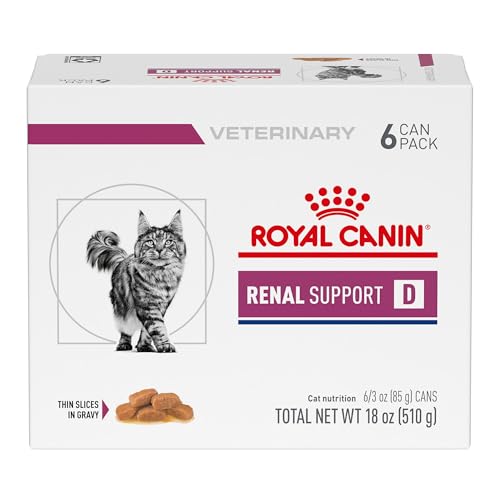
Royal Canin Royal Canin Renal Support D
$19.29 on Amazon
Vet-authorized thin slices in gravy for kidney care, a different texture for fussy cats.

Pro Plan Veterinary Diets Purina Pro Plan NF Kidney Dry
$34.99 on Amazon
Vet-authorized dry kidney-function diet for early kidney care in senior cats.

$25.49 on Amazon
Low-phosphorus pate variety pack designed to support cats needing phosphorus restriction.
How Do These Renal Diets Compare?
| Diet | Price | Form | Authorization | Best For |
|---|---|---|---|---|
| Hill's k/d Wet | $65 | Wet stew | Vet required | Hydration + kidney care |
| Hill's k/d Dry | $44 | Dry | Vet required | Kibble-preferring cats |
| Royal Canin Renal E | $23 | Loaf in sauce | Vet required | Palatable wet option |
| Royal Canin Renal D | $19 | Slices in gravy | Vet required | Texture variety |
| Purina NF Dry | $35 | Dry | Vet required | Early kidney care |
| Weruva Wx Phos | $25 | Wet pate | Vet-guided | Low-phosphorus variety |
How We Picked These Renal Diets
This is a research-based comparison, not a clinical trial, and it is not veterinary advice. We looked at therapeutic formulation, the availability of both wet and dry forms, palatability and texture variety since cats with kidney disease are prone to food aversions, brand track record in veterinary nutrition, and the consistent themes in verified owner reviews. We prioritized established renal diets that vets commonly authorize and a spread of textures so there is something a fussy senior may accept. We are not making medical claims, and we stress that only your veterinarian can diagnose kidney disease and decide which diet, at which stage, is right for your cat.
A Closer Look at Each Diet
Hill's Prescription Diet k/d Wet
Our top pick is the wet version of one of the most widely prescribed feline kidney diets, combining controlled phosphorus and high-quality protein with the moisture that hydration-challenged kidney cats need. The chicken and vegetable stew texture is well accepted by many cats, and Hill's k/d has a long track record in veterinary nutrition. For a cat newly diagnosed with kidney disease, this wet diet is a strong, vet-authorized starting point to discuss with your veterinarian.
Pros: Trusted renal formula, hydrating wet texture, widely accepted, long track record.
Cons: Premium price; requires vet authorization.
Hill's Prescription Diet k/d Dry
For cats that simply prefer kibble, the dry version of Hill's k/d delivers the same therapeutic kidney support in a crunchy form. While many vets favor wet food for hydration, a renal dry diet a cat will eat reliably beats a wet one it refuses, and you can encourage water intake separately. The chicken flavor and familiar format make it an easier sell for dry-loving seniors.
Pros: Same trusted formula in kibble, good for dry-preferring cats, convenient.
Cons: Less hydrating than wet; vet authorization required.
Royal Canin Renal Support E
Royal Canin's renal range is built around palatability, recognizing that getting a kidney-disease cat to eat is half the battle. The Renal Support E loaf in sauce offers a soft, appealing texture and controlled nutrition for kidney care. With several texture variants in the line, it gives you room to find what your cat likes. It is a well-regarded, vet-authorized wet option for cats that need coaxing to eat.
Pros: Highly palatable loaf, hydrating, part of a varied range.
Cons: Sold in multipacks; vet authorization required.
Royal Canin Renal Support D
The Renal Support D variant swaps the loaf for thin slices in gravy, giving you a different texture to tempt a cat that has tired of pate or stew. Texture variety is genuinely useful for kidney-disease cats prone to food aversions, and rotating within the Royal Canin renal line, with your vet's blessing, can help keep a finicky senior eating. It carries the same kidney-care formulation in a more shredded format.
Pros: Different texture for fussy cats, hydrating gravy, kidney-formulated.
Cons: Multipack format; vet authorization required.
Purina Pro Plan NF Kidney Dry
Purina's NF Kidney Function diet is another established renal option, and this early-care dry formula is aimed at cats in the earlier stages of kidney disease. Having a respected third major brand in the mix gives you and your vet more choices if your cat does not take to one manufacturer's recipes. The dry format suits kibble-preferring cats whose disease your vet judges to be early-stage.
Pros: Established renal brand, early-care formula, kibble convenience.
Cons: Dry is less hydrating; vet authorization required.
Weruva Wx Phos Focused
Weruva's Wx Phos Focused line offers low-phosphorus pate in a variety pack, appealing to owners who like Weruva's ingredient style and want texture and flavor variety for a phosphorus-restricted cat. Because renal nutrition is precise, use this under your vet's guidance to confirm it fits your cat's stage and targets. The variety pack helps fight the food aversions common in kidney-disease cats.
Pros: Low-phosphorus, variety pack, hydrating pate, fights food boredom.
Cons: Use under vet guidance to match disease stage; multipack pricing.
Editor's Pick · Sponsored
Haven Pet Insurance for Senior Cats
Coverage for accidents, illness, and the chronic conditions that drive the biggest senior-cat vet bills (kidney disease, hyperthyroidism, diabetes). Get a fast, free quote using your cat’s breed, age, and zip, then see your monthly premium before you commit.
Feeding a Cat with Kidney Disease
The diet works only if your cat eats it, so technique and vet partnership matter. Keep these points in mind.
- Transition slowly. Mix in the new food over one to two weeks so a kidney cat keeps eating without upset.
- Prioritize hydration. Favor wet renal food where your cat will accept it, and keep fresh water easily available.
- Use variety against aversions. Rotating vet-approved textures and brands helps a finicky senior keep eating.
- Never force a refused diet. A kidney cat that stops eating is an emergency; tell your vet rather than forcing food.
- Stay in close contact with your vet. Bloodwork guides which diet and stage is right, and that can change over time.
This guide is educational and complements, but does not replace, professional veterinary care. Prescription renal diets require a diagnosis and authorization, and only your veterinarian can decide whether, and which, renal food is right for your cat.
Senior Cat Wellness & Care Planner
Track your aging cat's health, meds, vet visits, mobility, nutrition, and quality of life — all in one printable planner.
Related Senior Cat Guides
Frequently Asked Questions
What is prescription renal cat food and why does it help?
Prescription renal, or kidney, diets are therapeutic foods formulated to support cats with chronic kidney disease, a very common condition in seniors. They are lower in phosphorus and contain controlled, high-quality protein, added omega-3s, and adjustments that ease the workload on failing kidneys. Studies have shown these diets can slow the progression of kidney disease and improve quality of life compared with regular food. Because the balance is medical, these foods require a veterinary diagnosis and authorization, and they should be fed under your vet's guidance rather than chosen on your own.
Why do I need a prescription or vet authorization to buy these?
Renal diets are therapeutic foods designed to manage a diagnosed disease, so retailers require veterinary authorization to ensure they are used appropriately. Feeding a low-phosphorus, protein-controlled diet to a cat that does not need it could be harmful, and a cat that does need it should be properly diagnosed and monitored. Your vet confirms the diagnosis with bloodwork and urine tests, decides whether a renal diet is right, and tracks your cat's response over time. The prescription requirement protects cats from being put on a specialized medical diet without oversight.
How do I transition a senior cat to a renal diet?
Switch gradually over one to two weeks to avoid digestive upset and rejection, mixing increasing amounts of the new food with the old. Cats can be stubborn about diet changes, and a cat with kidney disease that stops eating is a serious problem, so go slow and be patient. Offer both wet and dry versions to find what your cat prefers, warm wet food to boost aroma, and keep mealtimes calm. If your cat refuses the new diet, tell your vet rather than forcing it, since adequate calorie intake is essential.
Should I feed wet or dry renal food?
Many vets favor wet renal food for cats with kidney disease because the extra moisture supports hydration, which is critical when kidneys struggle to conserve water. That said, the best food is the one your cat will eat consistently, so if your cat strongly prefers dry, a renal dry diet plus encouraging water intake is better than a wet food the cat refuses. Some owners feed a mix. Discuss the balance with your vet based on your cat's preferences, hydration, and bloodwork, and prioritize steady eating above all.
Can I mix brands of renal food or switch between them?
You can often offer variety within prescription renal diets, and rotating flavors or brands can help keep a finicky cat eating, but coordinate it with your vet. Different renal formulas vary in phosphorus, protein, and calorie levels, so your vet should confirm that the options you rotate are all appropriate for your cat's stage of disease. Variety is especially useful because cats with kidney disease can develop food aversions. Just keep your vet informed so the overall diet stays within the targets they have set for your cat.
Is prescription renal food worth the higher cost?
For a cat with diagnosed chronic kidney disease, most veterinarians consider a renal diet one of the most effective and worthwhile interventions, since evidence shows it can slow disease progression and improve quality of life. That makes the higher price a reasonable investment in a senior cat's health and comfort. The cost is real, though, so factor it into your budget and ask your vet about sizes and value packs. Pet insurance that covers prescription diets, or comparing pack prices, can also help manage the ongoing expense.
Need more help with your aging cat?
Browse our guides by topic to find practical solutions.
Wellness Planner — $39