Adopting a Senior Cat: What to Expect
A warm, practical guide to adopting an older cat, from costs and benefits to the first days at home, the vet baseline, and the supplies that ease the transition.
There is a special kind of joy in adopting a senior cat. The personality you meet at the shelter is the personality you bring home, the kitten chaos is long past, and older cats so often greet a warm lap and a quiet routine with quiet, grateful devotion. Senior cats also wait the longest for homes, which means choosing one can be genuinely life-changing for both of you.
This guide walks through what to realistically expect when adopting an older cat: the benefits and the honest tradeoffs, the costs, the first days at home, the all-important vet baseline, and the supplies that make the transition smooth. It is meant to help you welcome your new companion with open eyes and an open heart.
Welcome-Home Essentials for a Senior Cat

NE14pets Low Entry Senior Litter Box
Gentle low step for arthritic joints from day one

K&H Pet Products Heated Cat Bed
$38.99 on Amazon
A warm, cozy retreat helps a new cat feel safe and soothes old joints
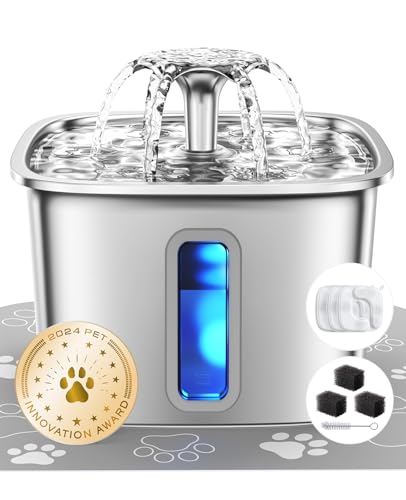
Veken Stainless Steel Cat Water Fountain
$25.49 on Amazon
Encourages drinking, important for senior kidney health
Haven Pet Insurance for Senior Cats.Coverage for accidents, illness, and the chronic conditions that drive the biggest senior-cat vet bills (kidney disease, hyperthyroidism, diabetes). Get a fast, free quote using your cat’s breed, age, and zip, then see your monthly premium before you commit.Sponsored
The Real Benefits of Adopting an Older Cat
Senior cats offer advantages that often surprise first-time adopters:
- What you see is what you get. An adult cat's temperament, energy level, and quirks are fully formed, so there are no surprises about personality.
- They are usually litter-trained and mellow. Most senior cats skip the climbing, scratching, and 3 a.m. zoomies of kittenhood.
- They bond deeply. Older cats frequently form intense, affectionate attachments to the person who gives them a soft place to land.
- You are saving a life. Senior cats are the least likely to be adopted, so choosing one makes a profound difference.
The Honest Tradeoffs
It would not be fair to skip the harder parts. Senior cats are more likely to have or develop chronic conditions like kidney disease, hyperthyroidism, or dental problems, which means a higher near-term chance of vet costs. Your time together may also be shorter than with a younger cat. Many adopters find these tradeoffs more than worth it for the calm, loving companionship an older cat brings, but going in clear-eyed lets you plan financially and emotionally.
What It Costs
The adoption fee is the small part. Senior cat fees are usually $25 to $75, and many shelters discount or waive them through senior adoption programs. The meaningful budgeting is for care:
- Initial vet exam with senior bloodwork: $150 to $400 to establish a baseline
- Starter supplies: litter box, bed, carrier, food, and water source
- Monthly care: food, litter, and any chronic-condition management
For a fuller picture, see our breakdown of monthly senior cat care costs and run your own numbers in the cost calculator.
Protect a newly adopted senior from big surprise bills.Coverage for accidents, illness, and the chronic conditions that drive the biggest senior-cat vet bills (kidney disease, hyperthyroidism, diabetes). Get a fast, free quote using your cat’s breed, age, and zip, then see your monthly premium before you commit.Sponsored
The First Days at Home
A calm, gradual introduction helps an older cat feel secure:
- Start small. Set up one quiet room with food, water, a low-entry litter box, a warm bed, and a hiding spot. A whole house at once can overwhelm a new cat.
- Keep the routine predictable. Feed at consistent times and let the cat come to you rather than reaching in.
- Expect some hiding. Retreating under furniture for a day or two is normal and not a sign of rejection.
- Expand slowly. Once your cat is eating, using the box, and seeking attention, open up more of the home gradually.
Setting Up the Vet Baseline
Within the first week or two, schedule a wellness exam with senior bloodwork, a urinalysis, and a blood pressure check. This screens for the common senior conditions and gives your vet a starting point to track changes over time. Bring any records the shelter provided so the history is complete. Establishing this baseline early means you catch problems sooner and make better decisions down the road. Our senior cat vet visit checklist covers exactly what to expect.
Senior Cat Wellness & Care Planner
Track your aging cat's health, meds, vet visits, mobility, nutrition, and quality of life — all in one printable planner.
Supplies That Ease the Transition
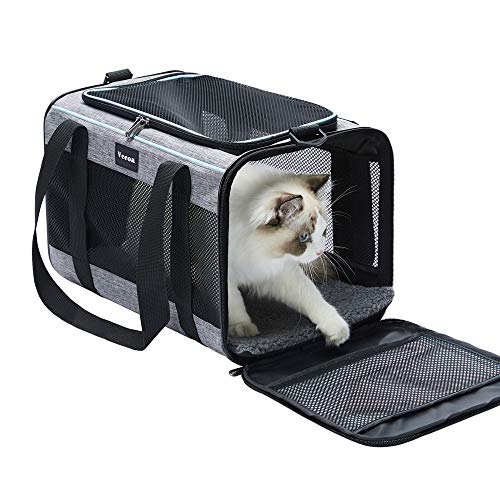
A few thoughtful purchases make a new senior cat more comfortable from day one. A low-entry litter box spares stiff joints, a warm and supportive bed offers a safe retreat, a water fountain encourages the drinking that aging kidneys need, and a sturdy carrier makes vet trips less stressful. If your cat struggles to reach a favorite windowsill or sofa, pet steps or a ramp restore access without a painful jump. Keep feeding the food your cat ate at the shelter at first, then transition slowly to avoid an upset stomach.
Introducing Other Pets
If you have other animals, go slow. Keep the newcomer separated at first, swap scents through bedding, and allow brief, supervised meetings through a cracked door before full contact. Give every animal its own food, water, and litter to reduce competition. Senior cats often prefer a peaceful household, so be especially patient if your other pets are young and energetic.
The Bottom Line
Adopting a senior cat is an act of quiet generosity that tends to repay you many times over in companionship. Go in prepared for a likely higher near-term vet cost, set up a calm welcome, establish a vet baseline early, and gather the handful of supplies that make daily life gentler on aging joints. In return you gain a grateful, settled friend who will make your home feel more complete from the very first purr.
Related Guides
- Senior Cat Vet Visit Checklist - How to set up that important first baseline exam.
- How Much Does Senior Cat Care Cost Per Month? - Budgeting for your new companion.
- Emergency Vet Fund for Cats - Building a cushion for the unexpected.
Frequently Asked Questions
Is it a good idea to adopt a senior cat?
For many people, yes. Senior cats are typically calmer, already litter-trained, and past the destructive kitten phase, so their personality is fully visible from day one. They tend to bond deeply and appreciate a quiet home. The main considerations are a likely higher near-term vet cost and a shorter expected time together, but the depth of companionship an older cat offers is hard to overstate.
What age is considered a senior cat for adoption?
Cats are generally considered senior from about age ten, and geriatric past fifteen. Shelters often label cats seven and older as senior for adoption purposes, partly because those cats wait longest for homes. A cat adopted at ten or eleven can still have many comfortable years ahead, especially an indoor cat receiving good veterinary care.
How much does it cost to adopt and care for a senior cat?
Adoption fees for senior cats are usually low, often $25 to $75, and many shelters waive or discount them entirely during senior adoption promotions. Ongoing care is where to focus: budget for an initial vet exam and senior bloodwork, then monthly costs for food, litter, and any chronic-condition management. Senior cats are more likely to need medical care, so plan for that rather than the modest adoption fee.
How long does it take a senior cat to adjust to a new home?
Many older cats settle within a few days to a few weeks, often faster than kittens because they are calmer. Start them in a single quiet room with food, water, a low-entry litter box, and a cozy bed, then expand their space gradually. Patience, a predictable routine, and quiet companionship help an older cat feel safe. Hiding at first is normal and usually passes.
Should I get a vet check right after adopting a senior cat?
Yes. Schedule a wellness exam within the first week or two to establish a health baseline, ideally with senior bloodwork, a urinalysis, and a blood pressure check. This screens for kidney disease, hyperthyroidism, and diabetes, and gives you a starting point to track changes. Bring any medical records the shelter provided so your vet has the full history.
Can a senior cat adjust to other pets in the home?
Often, yes, though introductions should be slow and supervised. Keep the new cat separated at first, swap scents between animals, and allow gradual, brief meetings through a cracked door before full contact. Senior cats may prefer a calm household over one with boisterous young pets. Give each animal its own resources, food, water, and litter, to reduce competition and stress.
What supplies do I need for a newly adopted senior cat?
Start with a low-entry litter box that is gentle on stiff joints, a quiet feeding station, a warm and supportive bed, a water source such as a fountain to encourage drinking, and a sturdy carrier for vet trips. Keep the food the cat was eating at the shelter at first, then transition slowly. Add ramps or steps to favorite perches if mobility is limited.
Need more help with your aging cat?
Browse our guides by topic to find practical solutions.
Wellness Planner — $39