How to Bathe a Senior Cat Safely
How to bathe an older cat safely and gently. When a senior cat needs a bath, step-by-step technique, safe shampoos, and the waterless options that are kinder to aging cats.
Most cats go their whole lives without a single bath, and that is exactly how they prefer it. But as cats age and groom themselves less effectively, owners increasingly find themselves facing a greasy back, a soiled rear, or a coat that has lost its shine. Knowing how to clean a senior cat safely, and when a full bath is genuinely the right call, spares you both a lot of stress.
The most important thing to understand up front: for most older cats, a full water bath should be a last resort. Spot cleaning and waterless products handle the great majority of situations more gently. When a bath truly is needed, doing it calmly and correctly keeps your frail senior safe and warm.
Kinder Ways to Clean a Senior Cat
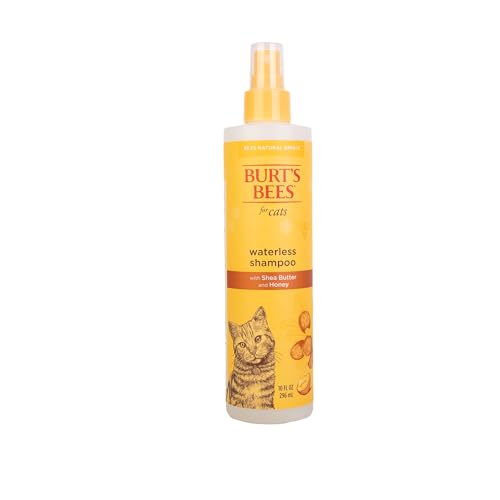
Burt's Bees for Pets Burt's Bees Waterless Cat Shampoo
$6.59 on Amazon
No-rinse spray to clean a senior coat without the stress of water

Burt's Bees for Pets Burt's Bees Hypoallergenic Cat Shampoo
$6.59 on Amazon
Fragrance-conscious, gentle wash for the rare full bath a senior needs

earthbath earthbath Fragrance-Free Grooming Wipes
$17.99 on Amazon
Hypoallergenic aloe wipes for quick, no-water spot cleaning

Vet's Best Vet's Best Waterless Cat Bath
$6.95 on Amazon
No-rinse foam to freshen the coat between or instead of baths
First, Ask Why Your Cat Needs Cleaning
A senior cat that has stopped keeping itself clean is usually telling you something. Cats are fastidious groomers, so a greasy, flaky, matted, or smelly coat in an older cat often signals an underlying problem: arthritis that makes twisting to groom painful, dental disease that makes grooming uncomfortable, obesity that limits reach, or illnesses like hyperthyroidism and kidney disease. Before you reach for the shampoo, consider a vet visit, because treating the cause does far more good than washing away the symptom.
Try Waterless Cleaning First
For everyday grime and a coat that has simply lost its luster, you rarely need water at all. Gentle, fragrance-free grooming wipes clean paws, the back, and the hindquarters without immersion. Waterless foams and sprays let you work product through the coat and towel it off, leaving your cat fresher with none of the trauma of a bath. Combined with regular brushing, this keeps most senior cats clean and comfortable. These methods are especially valuable for arthritic or anxious cats who find water genuinely frightening.
When a Full Bath Is Necessary
Sometimes only water will do: a cat soiled with feces or urine, one who has gotten into something sticky or potentially toxic, or a cat your vet has asked you to bathe with a medicated shampoo. In those cases, a calm, well-prepared bath is the goal.
Step by step
- Prepare first: Gather a cat-safe shampoo, two or three towels, a cup or soft sprayer, and a non-slip mat. Brush out any tangles, since mats tighten when wet.
- Use shallow, warm water: A few inches of comfortably warm water in a sink or small tub, with a mat or towel underfoot for grip.
- Wet gently: Pour or spray water over the body, keeping the head, face, and ears dry. Never pour water over the head.
- Lather and rinse thoroughly: Work in a small amount of cat-specific shampoo, then rinse until the water runs clear so no residue remains for your cat to lick.
- Work quickly and quietly: Keep the whole process short and calm to limit stress.
Senior Cat Wellness & Care Planner
Track your aging cat's health, meds, vet visits, mobility, nutrition, and quality of life — all in one printable planner.
Keeping Your Cat Safe and Warm Afterward
A wet senior cat loses heat fast, so drying matters as much as washing. Wrap your cat snugly in a warm towel and blot the coat rather than rubbing, switching to a dry towel as the first dampens. Keep your cat in a warm, draft-free room until completely dry, and offer a treat and a quiet retreat to recover. Most cats dislike hair dryers, but if yours tolerates one, use only the lowest, coolest setting held well back. Never let a damp cat sit in a cold or breezy spot.
Choosing a Safe Shampoo
Only ever use a product made for cats, ideally gentle, hypoallergenic, and fragrance-free. Never use human shampoo, which has the wrong pH, or dog products containing permethrin or essential oils, which can be toxic to cats. If your cat has a skin condition, ask your vet whether a medicated shampoo is right before bathing. When in doubt, a waterless cat shampoo or grooming wipe is the safest, lowest-stress way to keep your senior fresh.
Related Guides
- Best Waterless Shampoo for Cats - No-rinse picks to clean without a bath.
- Senior Cat Stopped Grooming - Why an older cat lets its coat go.
- Grooming Tips for Senior Cats - Gentle brushing and mat prevention.
Frequently Asked Questions
Do senior cats actually need baths?
Most healthy cats never need a full bath because they groom themselves meticulously. The reason it comes up with seniors is that aging cats often groom less, thanks to arthritis, dental pain, obesity, or simple fatigue, so the coat can grow greasy, flaky, or matted along the back and hindquarters. Even then, a full water bath is usually a last resort. Spot cleaning with warm cloths and waterless products handles most situations, and a full bath is reserved for heavy soiling or a medical reason.
How often should I bathe an older cat?
As rarely as possible. Frequent bathing strips the natural oils that keep skin and coat healthy and can dry out the already delicate skin of a senior cat. For a cat that simply needs help staying clean, gentle daily spot cleaning with grooming wipes or a damp cloth, plus regular brushing, is far better than repeated baths. Reserve full baths for genuine need, such as a cat soiled with feces, a sticky substance, or a skin condition your vet has asked you to treat.
What shampoo is safe to use on a cat?
Only use a shampoo formulated specifically for cats, ideally a gentle, fragrance-free, hypoallergenic formula. Never use human shampoo, dog shampoo with permethrin or essential oils, or dish soap, as these can disrupt a cat's skin pH or be toxic. Cats are extremely sensitive to certain ingredients, including many essential oils. If your cat has a skin condition, ask your vet whether a medicated shampoo is appropriate before bathing, and rinse thoroughly so no residue is left for your cat to lick.
How do I bathe a cat that hates water?
Go slow, stay calm, and keep it short. Use a sink or small tub with just a few inches of warm water, place a non-slip mat or towel on the bottom for grip, and wet the coat gently with a cup or a soft spray rather than dunking. Work quickly and quietly, keep water away from the ears and face, and never pour water over the head. Many anxious or arthritic seniors do far better with a waterless shampoo or wipe-down, which avoids the stress of immersion entirely.
Is bathing safe for a frail or arthritic senior cat?
Bathing can be genuinely stressful and even risky for a frail, arthritic, or unwell senior. The struggle, the slippery surface, and the chill of being wet can all take a toll, and a cat with heart or kidney disease may not tolerate the stress well. For most older cats, a waterless shampoo, grooming wipes, and warm-cloth spot cleaning are safer and just as effective. If a full bath is truly needed for a frail cat, ask your vet whether it would be better done at the clinic.
How do I keep my cat warm and calm after a bath?
Getting cold is a real risk for a wet senior, who already struggles to hold heat. Towel-dry thoroughly, wrapping your cat snugly and blotting rather than rubbing, then keep them in a warm, draft-free room until fully dry. Most cats hate hair dryers, but if your cat tolerates one, use the lowest, coolest setting from a distance. Offer a treat, a quiet space, and a warm bed to recover. Never let a damp cat sit in a cold or drafty spot.
When should I see the vet instead of bathing?
If your senior cat has suddenly stopped grooming, developed a greasy or flaky coat, started to smell, or grown matted, treat that as a possible health sign rather than just a hygiene task. Reduced grooming often points to arthritis, dental pain, obesity, hyperthyroidism, or kidney disease. A persistent odor can signal dental disease or a skin or ear infection. A vet visit finds the underlying cause, and treating that is far more effective than bathing away the symptom.
Need more help with your aging cat?
Browse our guides by topic to find practical solutions.
Wellness Planner — $39