Best Ear Cleaners for Cats: Senior Cat Guide 2026
The best cat ear cleaners for an aging cat, how to clean ears safely, what ingredients to look for, and the warning signs that need a vet instead.
Most cats keep their own ears spotless, but aging changes that. A senior cat that grooms less, or one prone to wax buildup, can accumulate debris that needs a helping hand. At the same time, older cats are more likely to develop ear infections, mites, polyps, and other problems, so knowing how to clean ears safely, and when to leave the job to your vet, is an important part of senior care.
The cleaners below were chosen by comparing formulation, gentleness, and verified owner reviews. We did not run hands-on lab tests; we evaluated ingredients and owner feedback to find ear cleaners well suited to careful at-home use on older cats.
Top Cat Ear Cleaners at a Glance

Virbac Virbac Epi-Otic Advanced Ear Cleanser
$13.59 on Amazon
Gentle, vet-trusted cleanser that helps break down wax and debris

VetWELL VetWELL Ear Cleaner for Cats
$13.99 on Amazon
Otic rinse that flushes wax and debris and helps reduce odor

Veterinary Formula Veterinary Formula Ear Therapy
$8.94 on Amazon
Clinical-care ear cleaner that loosens and removes buildup
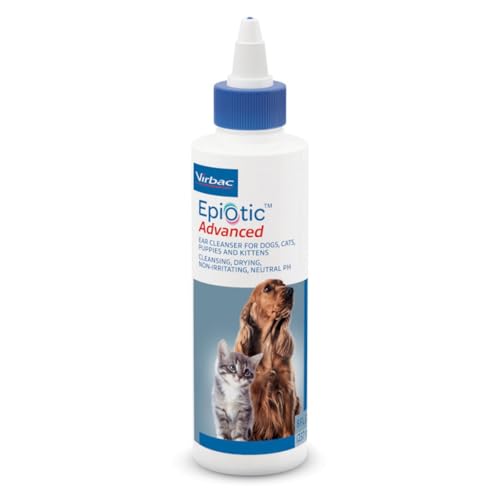
Virbac Virbac Epi-Otic (Larger Size)
$21.39 on Amazon
The same gentle cleanser in a larger bottle for regular upkeep
When Cats Actually Need Ear Cleaning
It is worth saying plainly: most healthy cats do not need routine ear cleaning, and over-cleaning a clean ear can irritate it. Cleaning becomes useful when you can see visible wax or debris, when your cat is prone to buildup, or when a senior can no longer groom thoroughly. The honest rule is to clean only when there is something to clean, and to check, rather than scrub, the ears during regular grooming. Clean, odor-free ears are best left alone.
How We Chose
- Cat-safe, gentle formula: pH-appropriate cleansers that loosen wax without harsh stinging.
- Effective cleansing and drying: Ingredients that flush debris and help dry the canal afterward.
- No harsh irritants: Avoiding high-alcohol or aggressive formulas on sensitive aging skin.
- Veterinary trust: Cleansers used and recommended in veterinary settings.
- Owner-verified gentleness: Feedback that cats tolerate the product and ears stay healthy.
Senior Cat Wellness & Care Planner
Track your aging cat's health, meds, vet visits, mobility, nutrition, and quality of life — all in one printable planner.
How to Clean a Cat's Ears Safely
The cat ear canal has an L-shaped bend, so the safe technique floods and flushes rather than digs. Fill the canal with a vet-approved cleaner, gently massage the base of the ear for several seconds to loosen debris, then let your cat shake its head to bring the loosened material up. Wipe away the wax and fluid from the outer ear and the visible part of the canal with a cotton ball or gauze. Never push a cotton swab down into the canal, which can pack debris against the eardrum or injure it. Keep sessions short and reward your cat.
Warning Signs That Need a Vet
Cleaning is only appropriate for healthy ears. If you notice head shaking, scratching at the ears, a bad smell, redness or swelling, dark coffee-ground or pus-like discharge, a head tilt, or balance problems, stop and book a veterinary visit. Older cats are prone to ear infections, mites, polyps, and occasionally tumors, and cleaning over an active problem can spread infection or push debris deeper. Your vet can examine the canal and eardrum safely and prescribe the right treatment.
Gentle Routine for a Senior Cat
Fold ear checks into your regular grooming sessions, looking inside every week or two and cleaning only when you actually see wax or debris. Use a cat-specific cleaner, never a human product or home remedy unless your vet advises it, and limit wiping to the outer ear. For a senior cat that finds handling stressful or painful, keep sessions brief, support the head gently, and reward generously so ear care stays a calm, trusted part of its routine.
Related Guides
- Grooming Tips for Senior Cats - A complete senior grooming routine.
- Best Cat Wipes for Seniors - Gentle cleaning for cats that groom less.
- Old Cat Smells Bad - When odor, including from the ears, signals a problem.
Frequently Asked Questions
Do healthy cats need their ears cleaned?
Most healthy cats keep their own ears clean and need little help. Routine ear cleaning is more relevant for cats prone to wax buildup, debris, or recurring issues, and for senior cats that can no longer groom thoroughly. Over-cleaning a healthy ear can actually irritate it. The rule of thumb is to clean only when you see visible wax or debris, or when your vet recommends it. If the ears look clean and odor-free, leave them be.
What ingredients should a good cat ear cleaner have?
Look for a gentle, cat-safe solution that helps break down wax and dry the canal, often containing mild cleansing and drying agents. Avoid products with alcohol in high amounts, which can sting irritated skin, and steer clear of harsh home remedies like hydrogen peroxide or vinegar unless your vet specifically advises them. Veterinary-formulated cleansers are pH-balanced for the ear and designed to flush debris safely. If your cat has an infection, your vet may prescribe a medicated cleaner instead.
How do I clean my cat's ears safely?
Fill the ear canal with a vet-approved cleaner, gently massage the base of the ear for several seconds to loosen debris, then let your cat shake its head. Wipe away the loosened wax and fluid from the outer ear and the visible part of the canal with a cotton ball or gauze. Never push a cotton swab down into the canal, which can pack debris deeper or damage the eardrum. Reward your cat and keep sessions short and calm.
How often should I clean a senior cat's ears?
Only as needed, which for many cats is rarely. Check the ears every week or two during grooming and clean only when you see visible wax or debris. Cats prone to buildup may need cleaning every couple of weeks, while others go months without needing any. Follow your vet's guidance if your cat has a chronic ear condition. The goal is clean, comfortable ears, not a rigid schedule, so let what you actually see guide you.
What are signs of an ear problem in older cats?
Watch for head shaking, scratching or pawing at the ears, a bad smell, redness or swelling, dark coffee-ground or pus-like discharge, or tilting the head to one side. Sudden balance problems or walking in circles also warrant urgent attention. Older cats can develop ear infections, ear mites, polyps, and even tumors, and some ear changes signal other conditions. Any of these signs means a veterinary exam rather than home cleaning, since cleaning over a problem can make it worse.
Can I use a human ear cleaner or cotton swabs?
No. Human ear products are not formulated for a cat's ear and can irritate it, and cotton swabs pushed into the canal risk packing wax against the eardrum or injuring it. Use a cleaner made for cats and limit swabbing to the outer ear you can easily see. The cat's ear canal has an L-shaped bend, so the safest approach is to flood it with cleaner, massage, let the cat shake, and wipe the outside only.
My cat's ears smell or have dark discharge. What should I do?
See your veterinarian before cleaning. A foul smell or dark, coffee-ground discharge often points to an ear infection or ear mites, and gritty black debris is a classic sign of mites. Cleaning over an active infection can spread it or push debris deeper, and the underlying problem needs proper diagnosis and treatment, often a prescribed medicated cleaner or drops. Your vet can examine the canal and eardrum safely and prescribe the right treatment for the cause.
Need more help with your aging cat?
Browse our guides by topic to find practical solutions.
Wellness Planner — $39