Best Cat Toothbrush and Toothpaste Picks
The best cat toothbrushes and toothpastes for senior cats: finger brushes, small dual-head brushes, enzymatic pastes, and brushless gels for cats that resist brushing.
Brushing your cat's teeth is the single most effective thing you can do at home to slow dental disease, the painful and widespread problem that affects most senior cats. But the right tools make the difference between a calm daily habit and a daily struggle. A brush sized for a cat's small mouth and a toothpaste your cat actually likes the taste of can turn brushing from a fight into a routine.
Below are our research-based picks across the categories that matter: finger brushes and small cat toothbrushes, enzymatic toothpastes, and brushless options for cats that simply will not accept a brush. Our selections draw on product specifications, veterinary guidance, and verified owner reviews rather than hands-on lab testing. This guide is educational and meant to complement, not replace, your veterinarian's care.
Best Cat Toothbrushes, Pastes, and Gels

$8.99 on Amazon
Dual-head and 360-degree brushes plus finger brushes in one set
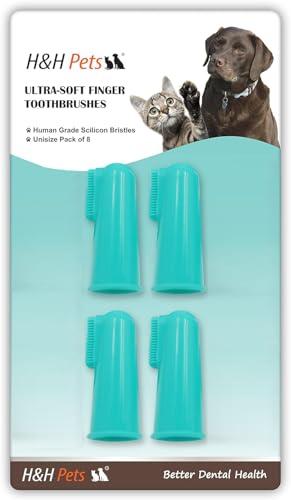
$7.49 on Amazon
Soft silicone brushes that slip over your fingertip for control

$11.89 on Amazon
Vet-trusted enzymatic paste in flavors cats accept

Vetoquinol Poultry-Flavored Toothpaste
$10.44 on Amazon
Enzymatic paste with a flavor most cats willingly lick
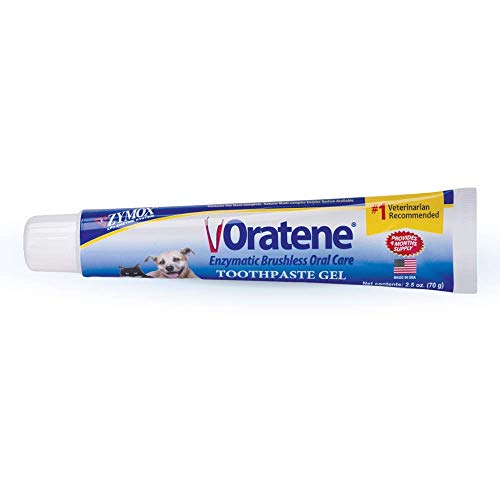
Pet King Brands Brushless Enzymatic Gel
$14.99 on Amazon
Apply to the gums or food when a cat refuses the brush

How We Chose
We prioritized the features that make brushing realistic for a cat and its owner: small brush heads and soft bristles sized for feline mouths, finger brushes for nervous cats, enzymatic formulas that add a chemical cleaning action and come in flavors cats accept, and safe-to-swallow ingredients since cats cannot rinse and spit. We also included brushless gels for the many cats that will not tolerate a brush. Our picks lean on veterinary guidance and verified owner reviews rather than any hands-on testing.
Choosing a Toothbrush
Finger Brushes
For most cats, a finger brush is the gentlest place to start. It slips over your fingertip, giving you precise control and a less intimidating feel than a handled brush poking into the mouth. The soft silicone nubs clean the outer tooth surfaces well. Many owners stay with finger brushes permanently, while others use them as a stepping stone to a regular cat toothbrush.
Small Cat Toothbrushes
A purpose-made cat toothbrush has a small head and ultra-soft bristles, often with a dual-head or angled design to reach back teeth. Some kits include 360-degree brushes that clean multiple surfaces at once. These reach a bit further than a finger brush and are a good upgrade once your cat is comfortable. Avoid large dog brushes and stiff human ones, which are too big and too hard for a cat's delicate gums.
Choosing a Toothpaste
The cardinal rule is to use only pet toothpaste. Human toothpaste contains fluoride and often xylitol, both toxic to cats, and is not meant to be swallowed, which a cat will always do. Within pet pastes, enzymatic formulas are the standard recommendation. The enzymes help break down plaque and suppress bacteria, so the paste keeps working even during the short sessions cats tolerate. Flavor matters enormously: poultry and seafood pastes turn toothpaste into something your cat wants to lick, which is half the battle won.
Senior Cat Wellness & Care Planner
Track your aging cat's health, meds, vet visits, mobility, nutrition, and quality of life — all in one printable planner.
Comparing Your Options
| Type | Best for | What to know |
|---|---|---|
| Finger brush | Nervous cats, beginners | Gentle and controllable; less reach than a handled brush |
| Small cat toothbrush | Cats comfortable with brushing | Reaches back teeth; needs a cooperative cat |
| Enzymatic paste | Almost every cat | Adds chemical cleaning; choose a flavor your cat likes |
| Brushless gel | Cats that refuse brushing | Apply to gums or food; less effective than brushing |
When Your Cat Will Not Be Brushed
Not every cat will accept a brush, and a forced session does more harm than good. Brushless enzymatic gels let you apply the active ingredients to the gumline, a paw, or food without scrubbing, so the enzymes can still go to work. Combine them with dental water additives, dental treats or diets carrying a Veterinary Oral Health Council seal, and regular veterinary cleanings. The best dental routine is always the one your particular cat will let you keep up consistently, day after day.
Making Brushing Stick
Start slow, keep sessions to seconds rather than minutes at first, and always end on a positive note with praise or a treat. Brush the outer surfaces of the cheek teeth, where plaque builds most, and do not worry about the inner surfaces, which the tongue helps clean. Aim for daily if you can, several times a week if you cannot. Paired with professional cleanings, a simple home routine with the right brush and a flavor your cat loves can spare it real dental pain in its senior years.
Related Guides
- Dental Care for Older Cats - The full home and professional dental care routine.
- Dental Disease in Senior Cats - Understand resorptive lesions, stomatitis, and periodontal disease.
- Old Cat Smells Bad - Bad breath is often the first sign of a dental problem.
Frequently Asked Questions
What kind of toothbrush is best for a cat?
Cats have small mouths, so the best brush has a small head and very soft bristles, or is a finger brush that slips over your fingertip for precise control. Many owners start with a finger brush, which feels less intrusive, then move to a small dual-head cat toothbrush as their cat gets comfortable. Avoid large dog brushes and stiff human brushes. Whatever you choose, the goal is to reach the outer surfaces of the cheek teeth gently along the gumline.
Can I use human toothpaste on my cat?
No, never. Human toothpaste contains fluoride and often xylitol, both of which are toxic to cats, and it is not meant to be swallowed. Cats cannot rinse and spit, so they swallow whatever you use. Always choose a toothpaste made for pets. Enzymatic pet toothpastes are formulated to be safe to swallow and come in flavors like poultry and seafood that cats are far more willing to accept, which makes brushing easier for both of you.
What is enzymatic toothpaste and is it worth it?
Enzymatic toothpaste contains enzymes that help break down plaque and inhibit the bacteria that cause dental disease, adding a chemical cleaning action on top of the mechanical scrubbing of the brush. This means it keeps working even if your cat only tolerates a brief brushing. It is the type most veterinarians recommend, it is safe to swallow, and it comes in flavors cats accept. For most owners it is well worth choosing enzymatic paste over a plain pet toothpaste.
How do I get my cat used to tooth brushing?
Build up gradually over days to weeks. First let your cat lick the toothpaste off your finger so it learns the flavor is a treat. Next, rub a little paste along the gumline with your finger. Then introduce a finger brush or soft cat toothbrush, brushing just a few teeth for a few seconds before rewarding calm behavior. Keep every session short and positive, and increase coverage slowly. Patience at the start pays off in a cat that accepts brushing for life.
What if my cat absolutely refuses brushing?
Some cats will never accept a brush, and pushing it harms your relationship and their trust. Brushless enzymatic gels can be applied to the gums or smeared on a paw or food, letting the enzymes do the work without scrubbing. Dental water additives, dental treats and diets with a Veterinary Oral Health Council seal, and regular professional cleanings all help. The most effective routine is the one your individual cat will actually allow you to do consistently.
How often should I brush my cat's teeth?
Daily brushing is the gold standard, because plaque starts to harden into tartar within a couple of days. If daily is not realistic, several times a week still provides real benefit and is far better than nothing. Consistency matters more than perfection: a quick, gentle brush of the outer cheek teeth every day does more good than an occasional thorough scrub. Pair home brushing with regular veterinary dental exams and professional cleanings as your vet recommends.
Need more help with your aging cat?
Browse our guides by topic to find practical solutions.
Wellness Planner — $39