Old Cat Breathing Fast: When to Worry
Fast breathing in a resting senior cat is never normal. Learn how to count the breathing rate, the heart and lung causes behind it, the emergency red flags, and how to monitor at home.
Noticing your senior cat breathing quickly can be alarming, and your instinct to take it seriously is the right one. Unlike dogs, cats almost never breathe hard or pant under normal circumstances, so a fast breathing rate in a calm, resting cat is one of the most important warning signs an owner can learn to recognize.
This guide explains how to measure your cat's breathing rate, what the common causes are in older cats, and which signs mean you should not wait. Fast breathing can be the very first outward sign of heart disease, so knowing what to look for can genuinely save your cat's life. This article is educational and is meant to support, not replace, your veterinarian's care.
Monitoring & Comfort Picks for Breathing Concerns

Morpilot Soft-Sided Cat Carrier
$28.04 on Amazon
Calm, secure transport for urgent or routine trips to the vet

$79.98 on Amazon
Reduces airborne triggers that worsen feline asthma and coughing

iProven Digital Pet Thermometer
$7.99 on Amazon
Check for fever at home when breathing changes appear
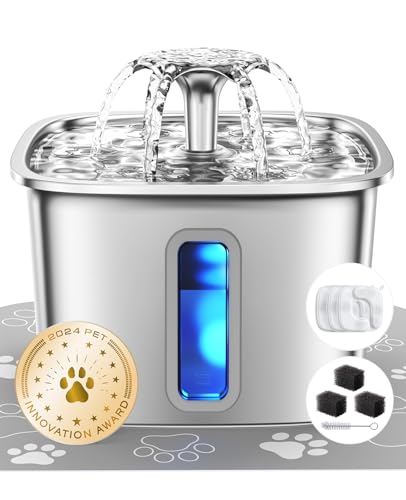
Veken Stainless Steel Cat Water Fountain
$25.49 on Amazon
Encourages drinking to support cats with heart or kidney strain
What Counts as Fast Breathing
A relaxed, healthy cat breathes between about 15 and 30 times per minute, and a sleeping cat usually sits near the lower end of that range. The single most useful number you can learn is your cat's sleeping respiratory rate, because a sleeping cat is not influenced by stress, heat, or activity.
To count it, watch your cat's chest while it sleeps or rests calmly. Each rise and fall together counts as one breath. Count for 30 seconds and double the result. A sleeping or resting rate that stays above 30 to 35 breaths per minute is abnormal and should prompt a same-day call to your veterinarian.
Fast Breathing Versus Labored Breathing
It helps to separate two related but different problems, because both are concerning.
- Tachypnea (fast breathing): An increased rate while the cat is calm. The breaths may look shallow and quick.
- Dyspnea (labored breathing): Visible effort to breathe. The belly heaves, the cat may sit hunched with its elbows pushed away from the body, or breathe with an open mouth.
Open-mouth breathing in a resting cat is a genuine emergency. Cats only resort to it when they are struggling, and a cat in this state can decline rapidly, especially if handled or stressed. Keep the cat calm and get to a clinic without delay.
Haven Pet Insurance for Senior Cats.Coverage for accidents, illness, and the chronic conditions that drive the biggest senior-cat vet bills (kidney disease, hyperthyroidism, diabetes). Get a fast, free quote using your cat’s breed, age, and zip, then see your monthly premium before you commit.Sponsored
The Common Causes in Senior Cats
Several conditions that become more likely with age can drive up a cat's breathing rate. The most important ones include the following.
- Heart disease: Hypertrophic cardiomyopathy is the leading feline heart disease. When it leads to congestive heart failure, fluid backs up into or around the lungs and the breathing rate climbs. A rising sleeping respiratory rate is often the earliest sign.
- Pleural effusion: Fluid in the space around the lungs prevents them from expanding fully, forcing fast, shallow breaths. Causes include heart failure, cancer, and infection.
- Feline asthma: Airway inflammation causes coughing, wheezing, and increased effort, sometimes mistaken for hairball retching.
- Pneumonia or infection: Lung infection raises the rate and often brings a fever and reduced appetite.
- Anemia: With too few red blood cells, the body breathes faster to compensate. Gums may look pale.
- Pain or fever: Both can raise the resting breathing rate, which is one reason a thermometer reading can be useful information for your vet.
Senior Cat Wellness & Care Planner
Track your aging cat's health, meds, vet visits, mobility, nutrition, and quality of life — all in one printable planner.
When It Is an Emergency
Certain signs mean you should head to an emergency clinic right away rather than waiting for an appointment.
- Open-mouth breathing: A resting cat breathing through its mouth needs immediate help.
- Heaving or belly breathing: Visible, exaggerated effort with each breath.
- Extended neck and elbows out: A cat trying to maximize airflow often adopts this posture.
- Blue, gray, or pale gums: A sign of poor oxygen delivery.
- Collapse or extreme lethargy: The cat is weak, unresponsive, or unable to settle.
When transporting a cat in respiratory distress, keep handling to a minimum, use a well-ventilated carrier, and avoid forcing it into a position it resists. Stress alone can tip a struggling cat over the edge, so calm and gentle is the goal.
How the Cause Is Diagnosed
Because a cat in respiratory distress is fragile, veterinarians often start with oxygen and a calm environment before doing anything stressful. Once the cat is stable, the workup usually includes listening to the chest, chest X-rays or a quick bedside ultrasound to look for fluid or an enlarged heart, a blood pressure reading, and bloodwork that may include a heart marker called NT-proBNP. The goal is to find out whether the trouble is in the heart, the lungs, or the chest cavity, because the treatments differ.
Monitoring Breathing at Home
If your cat has been diagnosed with heart disease, counting the sleeping respiratory rate at home is one of the most powerful tools you have. Pick a few quiet times each week, count the sleeping rate, and write it down with the date. Over time you will learn your cat's normal baseline.
The value comes from the trend. A stable cat holds a steady number. A clear upward climb, particularly a sleeping rate that pushes above 30 breaths per minute, often signals fluid beginning to accumulate, sometimes days before your cat acts sick. That early warning lets your veterinarian adjust medication and head off a crisis.
Fast breathing is your cat's body asking for help with oxygen. Whether the cause turns out to be the heart, the lungs, or something else, the right response is the same: take it seriously, keep your cat calm, and get veterinary eyes on the problem quickly. Early action consistently leads to better outcomes.
Related Guides
- Heart Disease and HCM in Senior Cats - The top cause of rising breathing rates.
- Feline Asthma in Older Cats - When coughing and wheezing are to blame.
- Old Cat Panting - Why panting in cats is never routine.
Frequently Asked Questions
What is a normal breathing rate for a senior cat?
A healthy cat at rest breathes between roughly 15 and 30 breaths per minute, and most relaxed sleeping cats sit near the lower end. To measure it, watch the chest while your cat is asleep or calmly resting, count one breath each time the chest rises and falls, and count for a full 30 seconds then double it. A resting or sleeping rate consistently above 30 to 35 breaths per minute is abnormal and worth a same-day call to your veterinarian.
Why is my old cat breathing fast while resting?
Fast breathing in a calm, resting cat is never normal and points to a problem with oxygen delivery. The most common causes in senior cats are heart disease such as hypertrophic cardiomyopathy, fluid around the lungs known as pleural effusion, feline asthma, pneumonia, anemia, and pain. Because a resting fast breathing rate can be the first outward sign of heart failure, a senior cat that breathes quickly while sleeping or relaxing should be seen promptly rather than watched at home.
How do I tell fast breathing from panting or normal heavy breathing?
Normal breathing is quiet, shallow, and uses mostly the chest, with a closed mouth. Fast breathing, called tachypnea, is an increased rate while the cat is calm. Labored breathing, called dyspnea, adds visible effort: the belly heaves, the cat may sit hunched with elbows out, or breathe through an open mouth. Open-mouth breathing in a cat at rest is a red flag. Any of these, especially with blue or pale gums, is an emergency.
Is fast breathing in cats an emergency?
It can be. Seek emergency care immediately if your cat breathes with open mouth, has heaving belly movements, sits with the neck extended and elbows pushed out, has blue, gray, or pale gums, or collapses. These signs suggest the body is struggling to get enough oxygen, which can happen with heart failure or fluid in the chest. Even without these dramatic signs, a resting rate over 35 to 40 breaths per minute deserves urgent veterinary attention.
Can stress or heat cause a cat to breathe fast?
Yes. Cats may breathe faster after exertion, during a stressful car ride or vet visit, or in hot weather, and this usually settles within several minutes of rest in a cool, calm place. Cats do not pant routinely like dogs, so panting that continues after the cat has cooled and calmed is abnormal. If fast breathing does not resolve within about 10 to 15 minutes of rest, or appears with no obvious trigger, treat it as a medical concern.
How is the cause of fast breathing diagnosed?
Your veterinarian will start by stabilizing your cat with oxygen if needed, since stressed cats in respiratory distress can deteriorate quickly. Diagnosis usually involves listening to the chest, chest X-rays or a point-of-care ultrasound to look for fluid or an enlarged heart, blood pressure measurement, and bloodwork including a heart marker called NT-proBNP. Identifying whether the problem is the heart, the lungs, or the chest cavity guides treatment, which may include draining fluid or starting heart medication.
Can I monitor my cat's breathing at home?
Yes, and it is one of the most valuable things an owner of a cat with heart disease can do. Count the sleeping respiratory rate a few times a week and log it. A stable cat holds a steady baseline, often in the teens or low twenties. A sustained upward trend, especially a jump above 30 breaths per minute while sleeping, is an early warning of fluid building up and means it is time to call your veterinarian, sometimes before any other sign appears.
Need more help with your aging cat?
Browse our guides by topic to find practical solutions.
Wellness Planner — $39