Jaundice in Senior Cats: Causes & Care
Yellowing of the eyes, gums, or skin in a cat is always serious. Learn what causes feline jaundice, why fatty liver is a danger, the warning signs, and how it is diagnosed and treated.
Jaundice, the yellow discoloration that appears in a cat's eyes, gums, and skin, is one of those signs that should never be brushed off. Unlike a vague change in appetite or energy, jaundice points directly to a serious problem with the liver, the bile system, or the red blood cells, and several of the conditions behind it can worsen rapidly.
This guide explains what jaundice is, the conditions that cause it in older cats, why a cat that stops eating is in particular danger, and how veterinarians diagnose and treat it. The single most important takeaway is speed: yellowing in a cat is a reason to call your veterinarian today, not next week. This article is educational and meant to support, not replace, your veterinarian's care.
Liver-Support Picks (Alongside Vet Care)

Nutramax Denamarin Liver Support for Cats
$33.99 on Amazon
Vet-recommended SAMe and silybin support for feline liver health

SilymarinAdvanced Milk Thistle Liver Supplement for Cats
$19.99 on Amazon
Silymarin-based antioxidant support to complement vet treatment

Under the Weather High-Calorie Cat Recovery Powder
Helps tempt calories into a cat at risk of fatty liver
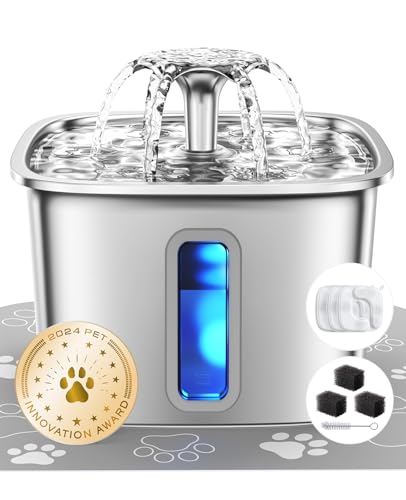
Veken Stainless Steel Cat Water Fountain
$25.49 on Amazon
Encourages the hydration that supports a recovering liver
What Jaundice Actually Is
Jaundice, also called icterus, is the visible result of bilirubin building up in the body. Bilirubin is a yellow pigment produced when old red blood cells are broken down, and a healthy liver processes it and clears it through bile. When that system is overwhelmed or blocked, bilirubin accumulates and stains the tissues yellow.
In cats, look for the yellow tinge in the whites of the eyes, the gums, and the inside of the ears, and on thinly furred skin such as the belly or the bridge of the nose. It can be subtle at first, so checking in good light helps. Wherever you see it, the message is the same: the body's bilirubin-clearing machinery is in trouble.
The Three Groups of Causes
Veterinarians sort the causes of jaundice into three categories based on where the problem lies.
- Pre-hepatic: Too many red blood cells are being destroyed, releasing more bilirubin than the liver can handle. Immune-mediated and certain infectious diseases can do this.
- Hepatic: The liver itself is diseased. Common feline causes include hepatic lipidosis (fatty liver), cholangitis (inflammation of the bile ducts), and liver cancer.
- Post-hepatic: Bile flow out of the liver is blocked, often by pancreatitis pressing on the bile duct or by gallbladder and bile duct disease.
Identifying which group is responsible is the central task of the workup, because the treatments differ sharply from one to the next.
Haven Pet Insurance for Senior Cats.Coverage for accidents, illness, and the chronic conditions that drive the biggest senior-cat vet bills (kidney disease, hyperthyroidism, diabetes). Get a fast, free quote using your cat’s breed, age, and zip, then see your monthly premium before you commit.Sponsored
Why a Cat That Stops Eating Is in Danger
One feline liver condition deserves special emphasis because it is both common and preventable in its severity: hepatic lipidosis, or fatty liver. It develops when a cat stops eating, often triggered by another illness or stress, and the body responds by sending fat to the liver faster than the liver can use it. The liver becomes choked with fat and its function falters, producing jaundice and a downward spiral.
Overweight cats are especially vulnerable. The practical lesson is that any cat that has not eaten for a day or two needs veterinary attention before fatty liver sets in. Once it does, treatment hinges on getting calories in, frequently through a feeding tube, and many cats recover well when it is caught early.
Senior Cat Wellness & Care Planner
Track your aging cat's health, meds, vet visits, mobility, nutrition, and quality of life — all in one printable planner.
How Jaundice Is Diagnosed and Treated
Because the causes are so varied, diagnosis is methodical. Your veterinarian will run bloodwork that shows the elevated bilirubin and liver values and helps separate red-cell destruction from liver disease, along with a urine test. An abdominal ultrasound examines the liver, gallbladder, bile ducts, and pancreas, and in some cases a needle sample or biopsy of the liver gives the definitive answer.
Treatment follows the diagnosis. Fatty liver calls for intensive nutritional support. Cholangitis is often managed with medication. A blocked bile duct may need surgery. Red-cell destruction may require immune-suppressing drugs. Across many of these, supportive care such as intravenous fluids, anti-nausea medication, appetite support, and liver-protective supplements like SAMe and silybin helps the cat cope while the underlying problem is addressed.
Jaundice is one of the clearest red flags a cat can show. The yellow color is the body announcing that an important system has stalled. The cats that do best are the ones whose owners act on that signal quickly, getting a diagnosis and starting treatment before a treatable problem becomes a critical one.
Related Guides
- Old Cat Losing Weight - When appetite loss threatens the liver.
- Old Cat Vomiting - A common companion sign of liver and bile disease.
- Cancer in Senior Cats - Liver tumors among the causes of jaundice.
Frequently Asked Questions
What does jaundice look like in a cat?
Jaundice, also called icterus, is a yellow tinge to the skin and tissues caused by a buildup of bilirubin. In cats it is easiest to spot in the whites of the eyes, the gums and the inside of the ears, and on the skin of the belly or the bridge of the nose where the fur is thin. The yellow may be subtle at first and deepen over days. Because jaundice always signals a problem with the liver, bile system, or red blood cells, any yellowing in a cat needs prompt veterinary attention.
What causes jaundice in senior cats?
Jaundice arises whenever bilirubin builds up faster than the body clears it, and the causes fall into three groups. Pre-hepatic causes involve the breakdown of too many red blood cells, as in some immune or infectious diseases. Hepatic causes involve the liver itself, including hepatic lipidosis (fatty liver), cholangitis, and liver cancer. Post-hepatic causes involve blocked bile flow from pancreatitis or gallbladder and bile duct problems. Sorting out which group is responsible is the first job of the veterinary workup.
Is jaundice in a cat an emergency?
Jaundice should always be treated as urgent. It is never normal and signals a serious problem with the liver, bile system, or red blood cells, several of which can worsen quickly. A cat that has stopped eating for a couple of days is especially at risk of hepatic lipidosis, a dangerous fatty liver condition that can become life-threatening without prompt nutritional support. Do not wait to see if the yellow fades. Contact your veterinarian as soon as you notice any yellowing of the eyes, gums, or skin.
What is hepatic lipidosis and how is it linked to jaundice?
Hepatic lipidosis, or fatty liver, is one of the most common liver diseases in cats and a frequent cause of jaundice. It develops when a cat stops eating, often because of another illness or stress, and the body floods the liver with fat that it cannot process, overwhelming liver function. Overweight cats are especially prone. Treatment centers on aggressive nutritional support, often through a feeding tube, and many cats recover well if the condition is caught and treated early.
Can jaundice in cats be treated?
Yes, in many cases, but treatment depends entirely on the underlying cause, which is why diagnosis comes first. Fatty liver responds to intensive feeding and supportive care. Cholangitis is often treated with medication. Bile duct obstruction may need surgery. Red-cell destruction may call for immune-suppressing drugs. Supportive measures like fluids, anti-nausea medication, appetite support, and liver-protective supplements help across many causes. The outlook ranges from very good to guarded depending on the specific diagnosis and how early care begins.
Do liver supplements like SAMe and milk thistle help cats?
Liver-support supplements containing SAMe (S-adenosylmethionine) and silybin from milk thistle are commonly recommended by veterinarians to support liver cells and antioxidant defenses in cats with liver disease. They are considered supportive rather than curative, meaning they help the liver cope while the underlying problem is treated. They should be used under veterinary guidance as part of a full treatment plan, never as a substitute for diagnosing and addressing the real cause of the jaundice.
How is the cause of jaundice diagnosed?
Your veterinarian will combine bloodwork, which shows elevated bilirubin and liver values and helps distinguish red-cell destruction from liver disease, with a urine test and abdominal ultrasound to examine the liver, gallbladder, bile ducts, and pancreas. Sometimes a needle sample or biopsy of the liver is needed for a definitive answer. The goal is to identify whether the problem lies before the liver, in the liver, or after it, because that determines the right treatment and the likely outcome.
Need more help with your aging cat?
Browse our guides by topic to find practical solutions.
Wellness Planner — $39